
Glazing Tools Explained: From Paddle Knives to Suction Cups
Glazing Tools Explained: From Paddle Knives to Suction Cups. Understanding the right glazing tools makes repairs and installations faster, neater and safer...
Glazing Tools Explained: From Paddle Knives to Suction Cups. Understanding the right glazing tools makes repairs and installations faster, neater and safer for both trade professionals and DIYers. Whether you are replacing a sealed unit, fitting new beading or re-bedding a window, the correct kit and technique matter.
Why the right glazing tools matter
Glazing tools are specialised to protect fragile glass and fragile frames while enabling accurate joints and weather seals. Using the wrong tool can damage glass, deform uPVC or timber frames, or create an ineffective seal that allows water ingress and draughts. For trade work, the correct tools increase efficiency and ensure compliance with industry best practice; for DIY jobs they reduce risk and improve finish.
Essential hand tools for glazing
Start with a solid basic kit that suits sash timber, metal or uPVC windows. Common essentials include:
- Glazing paddle knives and putty knives: for removing old putty, silicone and compound without gouging the frame; paddles give more control for deep scrapes.
- Beading tools and soft-faced protectors: to push or tap glazing beads home without cracking them; plastic beading tools are kinder to uPVC and timber.
- Glazing points and screwdrivers: to secure single panes where points are still used; use corrosion-resistant points for coastal locations.
- Glazing wedges and setting blocks: to position the pane correctly within the rebate and support the load at the bottom.
- Sealant gun and cartridges: a good quality gun plus neutral cure silicone or MS polymer for exterior sealing.
- Glass cutters and running pliers: for small repairs and trims; not typically used for sealed units but handy for secondary glazing and toughened glass preparation.
Paddle knives and scrapers: techniques and tips
Paddle knives are designed to remove hardened glazing compound and silicone without slicing into the frame. Use sharp blades set at a shallow angle to lift old material: a shallow angle reduces the chance of digging into timber or uPVC. Replace blades frequently; a blunt blade requires more force and increases the risk of slipping. For stubborn silicone, soften with a silicone remover liquid and scrape carefully once softened.
Suction cups and glass lifters
Suction cups are essential for handling larger panes and sealed units safely. Choose cups rated for more than the weight of the pane: a safety margin of at least 50 percent is good practice. For larger or vertical glazing panels use multiple cups spaced evenly; for very large panes consider a mechanical glass lifter or vacuum pump lifter. Always test the vacuum before lifting and use a secondary support strap when carrying the glass across site. Two-person lifts are recommended for any pane that is awkward or heavier than about 10 kilograms.
Power tools and measurement aids
Trade jobs often benefit from powered polishing tools, cordless drills with adjustable torque for bead screws, and battery-powered silicone guns for longer runs. Laser measures speed up dimension checks for ordering sealed units; nevertheless double-check with a tape measure as glass suppliers often want specific tolerances. A small hot air gun can aid silicone finishing and softening old sealant, but use carefully near uPVC to avoid warping.
Safety and PPE
PPE is non-negotiable when working with glass: cut-resistant gloves, safety goggles and impact-resistant footwear are minimum. Use splash protection when applying chemical removers and ensure good ventilation when using solvent-based products. For overhead glazing, use rated scaffolding or work platforms rather than ladders where possible; falling glass can be lethal and requires safe procedures.
Practical trade advice and DIY guidance
For trade professionals: keep a set of manufacturer-recommended setting blocks and follow IGU supplier tolerances for edge clearance and block placement. Good practice is to use two setting blocks near quarter points and one central support on larger units; follow the sealed unit manufacturer’s guidance for exact spacing and gap dimensions. Use neutral-cure silicones or MS polymers for exterior joints when fixing sealed units into timber or metal frames; some acidic-cure silicones can stain or corrode metal and are not suitable for metal frame use.
For DIYers: assess whether the sealed unit is misted from a failed desiccant or whether the problem is a failed bead or seal. Replacing a sealed unit usually needs accurate sizing and safe handling; if you are unsure, order the unit from a reputable supplier and consider having a tradesperson install it. For minor resealing jobs, clean the joint thoroughly with isopropyl alcohol before applying new sealant, use masking tape for a neat finish and allow full cure time before exposing to rain.
Common mistakes to avoid
- Using a blunt blade to remove compound: increases damage risk and slips.
- Under-specifying suction cups: leads to unexpected drops and dangerous situations.
- Failing to use setting blocks or support: causes long-term stress on the glass and seal failure.
- Choosing the wrong silicone chemistry: causes poor adhesion or corrosion on metal frames.
- Neglecting PPE and safe lifting techniques: increases injury risk.
Where to buy and further resources
Quality glazing tools and consumables are available from specialist suppliers. For a comprehensive selection of double glazing components and tools visit our pillar page: /guides/double-glazing-supplies. Always choose tools and materials that match the window type you are working on: timber, aluminium or uPVC each have different needs.
Recommended Products
Based on this article, you may find these products helpful:
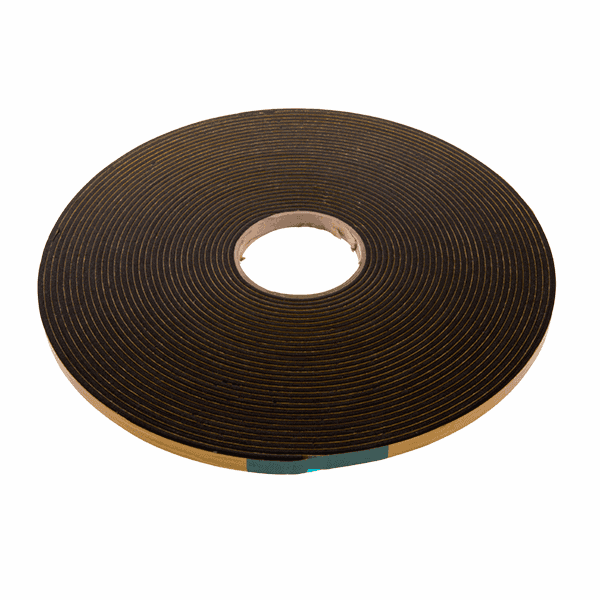
- Structural Glazing Tape - 20mm
- Security Glazing Tape
- E-Type Gasket - Black 5m Roll
- E-Type Gasket - Black (Per Metre)
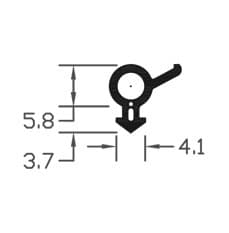
- B003 Bubble Gasket
Conclusion and next steps
Having the right glazing tools makes window and door repairs quicker, safer and more reliable. For tradespeople, investing in dedicated suction cups, paddle knives and quality sealant guns pays off on site. For homeowners tackling DIY jobs, start with the correct safety kit, a basic set of glazing knives and a small suction cup for modest panes; call in a professional for large sealed unit replacements or complex sash repairs. If you need tailored advice on tools for a specific window type, contact our trade team or browse our double glazing supplies for product recommendations.
Products mentioned in this article
Related articles
How Old uPVC Window Parts Differ from Modern Replacements
How Old uPVC Window Parts Differ from Modern Replacements Older uPVC windows fitted in the 1980s and 1990s were robust for their time, but the components u...
How to Maintain Your Glazing Tools for Longer Life
How to Maintain Your Glazing Tools for Longer Life Whether you are a trade glazier or a DIY homeowner replacing a pane, well‑maintained glazing tools save ...
Glazing Tools Safety Guide: Avoiding Common Injuries
Glazing Tools Safety Guide: Avoiding Common Injuries Working with glazing tools carries a real risk of cuts, crushed fingers and slips when handling panes ...