
How to Maintain Your Glazing Tools for Longer Life
How to Maintain Your Glazing Tools for Longer Life Whether you are a trade glazier or a DIY homeowner replacing a pane, well‑maintained glazing tools save ...
How to Maintain Your Glazing Tools for Longer Life
Whether you are a trade glazier or a DIY homeowner replacing a pane, well‑maintained glazing tools save time, reduce wastage and improve the finish of every job. This article covers practical maintenance, cleaning, storage and safety tips for the most common glazing tools: glass cutters, putty knives, caulking guns, suction lifters, chisels, spirit levels and PPE. Follow these routines and you will extend tool life and keep on-site downtime to a minimum.
Daily checks and cleaning
Perform a quick inspection at the start and end of each day on site or at the workshop. Look for damage, contamination and wear that can affect performance. Daily habits are the first line of defence in preventing corrosion and blunt parts.
- Remove adhesive, glazing compound and sealant from blades and faces before it cures; use a rag and the manufacturer’s recommended solvent for the product being used.
- Brush off glass dust and grit from cutting wheels, handles and moving parts; grit will accelerate wear on bearings and edge tools.
- Wipe metal parts with a lightly oiled cloth; use a light machine oil on moving joints and a corrosion inhibitor on exposed steel surfaces.
- Inspect suction cups and rubber seals for cuts, hardening or cracks; replace any that have lost flexibility to avoid a dangerous failure when lifting glass.
Sharpening and replacing blades
Sharp edges make the job quicker and safer. Blunt glass cutters, chisels and scrapers force extra pressure and cause slip injuries or damaged glazing beads.
- Glass cutters: keep the wheel clean and lightly oiled; if the wheel becomes nicked, replace it rather than trying to re‑dress it. Most professional cutters have replaceable wheels and oil reservoirs; top up oil as specified.
- Putty knives and scrapers: hone on a fine whetstone or diamond stone and flatten backs to maintain a straight edge. Replace flexible blades that have kinked or cannot be flattened.
- Chisels and punches: use a bench grinder or sharpening stone, then strop to finish. Maintain the original bevel angle to preserve tool geometry.
Lubrication and moving parts
Tools with moving components such as caulking guns, tile lifters and multi‑function glass carriers need regular lubrication to avoid stiff action or seized mechanisms.
- Apply a light machine oil to pivot points weekly when in frequent use; wipe off any excess so oil does not attract dust.
- For air‑operated or pneumatic tools, follow manufacturer instructions for oil and filter maintenance; use inline lubricators when recommended.
- Replace worn springs, seals and O‑rings; inexpensive replacements preserve the precision of the tool and prevent downtime.
Care of suction cups and lifters
Glass suction cups and vacuum lifters are vital for safe handling. Their rubber pads must be kept clean and pliable so they form an airtight seal.
- Clean rubber pads with warm soapy water and dry thoroughly after use; remove any embedded grit with a soft brush.
- Store suction cups away from heat and sunlight; prolonged UV exposure ages rubber and causes cracking.
- Check the vacuum indicator and leak test each cup before lifting glass; if a cup shows poor holding capacity, replace the rubber or the entire unit.
- Use talc or an approved rubber conditioner sparingly if rubber becomes sticky; avoid petroleum‑based products that can cause degradation.
Sealant and caulking gun care
Clean caulking guns immediately after use to prevent build up inside the barrel and on the plunger. For trade use, have several barrels available to rotate during drying times.
- Remove cartridges and wipe the barrel clean; use the solvent suggested by the sealant manufacturer for uncured residue.
- Inspect the plunger and release mechanism; lubricate the thread and replace worn drive rods to maintain smooth extrusion.
- Keep spare nozzles and static mixers on hand; replace nozzles rather than trying to clean cured beads out of narrow tips.
Storage and organisation
Good storage prevents accidental damage and speeds up job preparation. Labelled systems encourage the right tool for the job and reduce the temptation to use a substitute that could be damaged.
- Store blades and cutters in a roll or rack where edges are protected; use blade guards for scrapers and chisels.
- Keep a dry, ventilated tool chest or cabinet. Use silica gel packs in the chest to reduce moisture and corrosion on metal tools.
- Use pegboards, shadow boards or modular boxes for fast access. A dedicated tray for small fixings such as glaziers’ points and shims prevents loss.
PPE and safety maintenance
PPE is part of your glazing kit; it must be checked and replaced like any other tool. Damaged respirators, torn gloves or scratched safety glasses compromise protection and leave you exposed to hazards.
- Inspect safety glasses for scratches that impair vision; replace if vision or lens integrity is compromised.
- Check gloves for cuts, chemical damage or hardening. Select the right glove for the material you are handling; nitrile resists many solvents while leather protects against cuts.
- Maintain respirators and filters according to manufacturer guidance when using solvents or dust‑producing operations.
Routine schedule and record keeping
Set a simple maintenance schedule: daily quick checks on site; a weekly clean and lubrication; a monthly sharpening and a quarterly full inspection. For trade businesses, keep a tool log noting repairs, replacements and purchases. This helps budget for consumables and avoids last‑minute emergency buys.
Practical tips for homeowners
If you are a homeowner doing occasional glazing work, focus on basic care: keep blades sharp, clean sealant before it cures, and store tools in a dry box. Invest in a few quality tools rather than cheap substitutes; good equipment tends to tolerate home use better and will maintain accuracy when you need it most.
Recommended Products
Based on this article, you may find these products helpful:
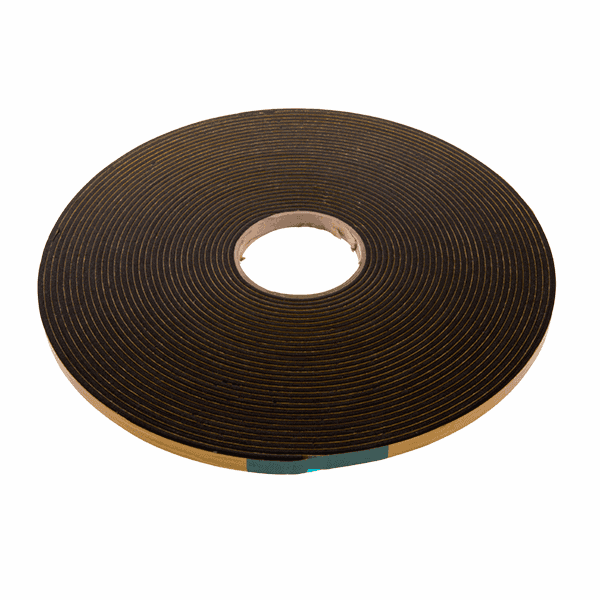
- Structural Glazing Tape - 20mm
- Security Glazing Tape
- In-Line Window Mechanism
- Offset Window Mechanism
- B003 Bubble Gasket
Conclusion and next steps
Maintaining glazing tools pays dividends in safety, finish quality and cost control. Adopt daily cleaning, regular sharpening and careful storage; replace consumables such as suction rubber, cutter wheels and sealant nozzles promptly. For a wider selection of glazing consumables and equipment, visit our pillar page: Double Glazing Supplies. Start by inspecting your kit today and schedule the next cleaning and sharpening session.
Products mentioned in this article

Related articles
How Old uPVC Window Parts Differ from Modern Replacements
How Old uPVC Window Parts Differ from Modern Replacements Older uPVC windows fitted in the 1980s and 1990s were robust for their time, but the components u...
Glazing Tools Safety Guide: Avoiding Common Injuries
Glazing Tools Safety Guide: Avoiding Common Injuries Working with glazing tools carries a real risk of cuts, crushed fingers and slips when handling panes ...