
How Old uPVC Window Parts Differ from Modern Replacements
How Old uPVC Window Parts Differ from Modern Replacements Older uPVC windows fitted in the 1980s and 1990s were robust for their time, but the components u...
How Old uPVC Window Parts Differ from Modern Replacements
Older uPVC windows fitted in the 1980s and 1990s were robust for their time, but the components used then often differ substantially from the parts supplied today. Whether you are a homeowner repairing a draughty window or a trade professional sourcing replacement parts, understanding the differences will save time, money and avoid incompatible orders. This article compares old and modern upvc window parts and gives practical trade and DIY advice for repairs and retrofits.
Materials and profile evolution
Early uPVC profiles were thicker and sometimes used different alloy reinforcements compared with modern extrusions. Today's profiles are optimised for thermal performance and strength while using less raw material; steel or aluminium reinforcements are often shaped differently to accommodate contemporary hardware. Gasket technology has also advanced: original foam seals have largely been replaced with longer-lasting EPDM or TPE gaskets that hold compression and resist UV degradation.
Window hardware: locking systems and mechanisms
Locking hardware is an area with major change. Older windows commonly used simple espagnolette rods and single-point locks. Modern replacements favour multipoint systems that engage multiple keeps along the frame for improved security and compression. Common components you will see today include:
- Espagnolette gearboxes with adjustable cams and anti-jemmy mushroom cams for better security and compression
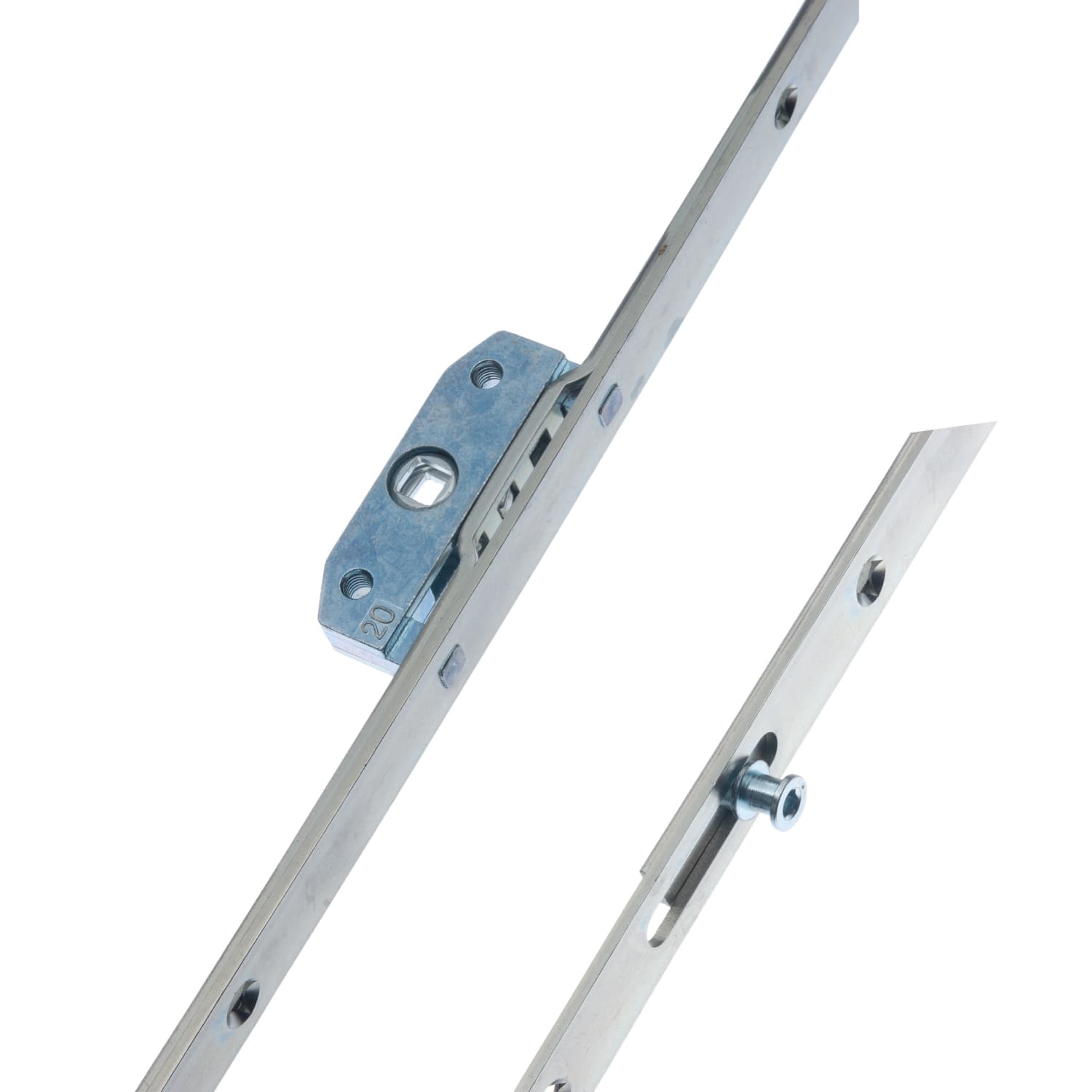
- Multipoint locking strips for entrance doors and patio doors; some modern window systems also use compact multipoint espagnolette systems
- Key-locking and non-key handles: modern handles come with anti-snap and anti-bump features
- Shootbolts and roller cams to deliver controlled engagement into keeps
For tradespeople: when replacing an old gearbox or espag mechanism, note the spindle size, gearbox depth and the handle to centre measurement; these determine compatibility. If a direct replacement is not available, an adaptor or new keep may be required.
Hinges and friction stays
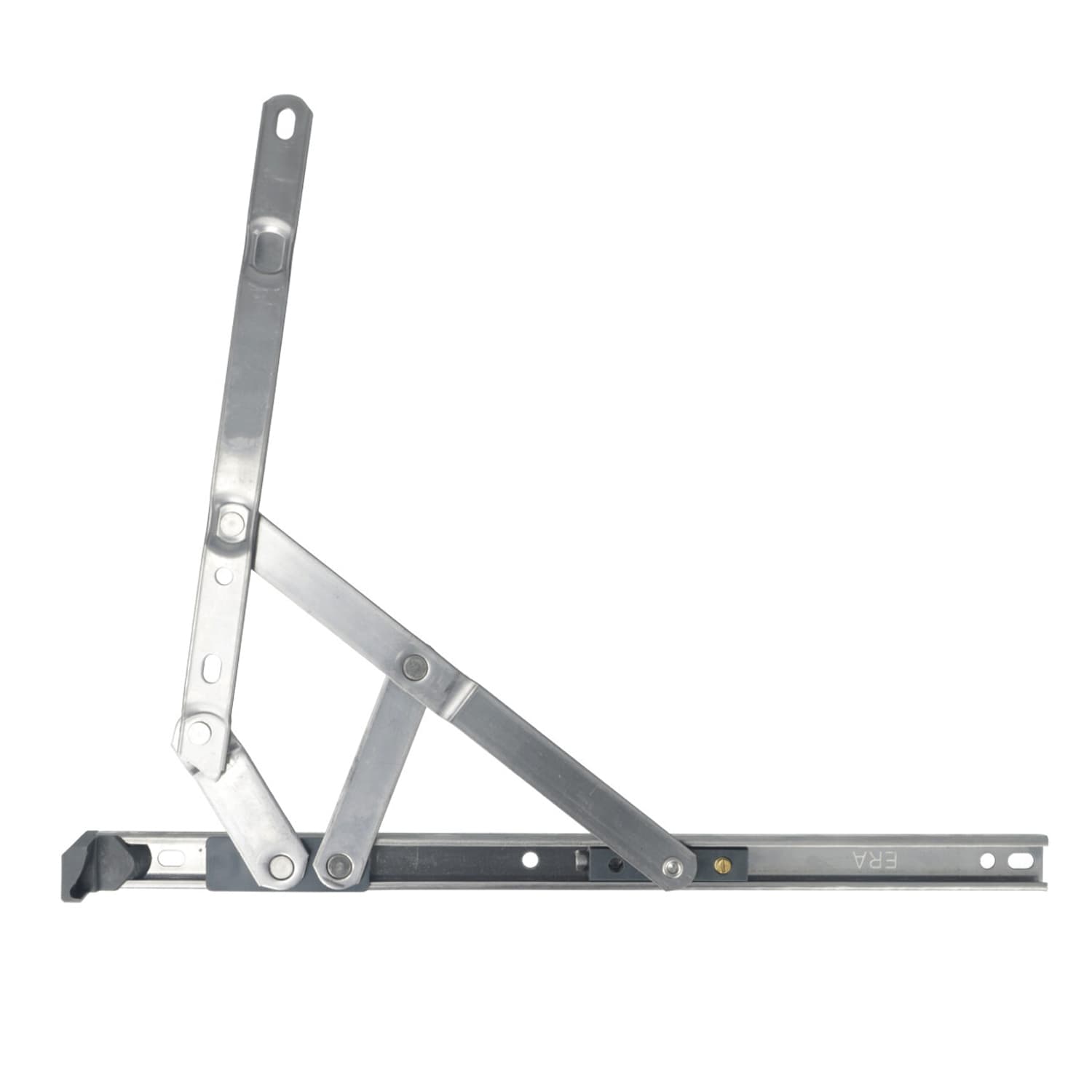
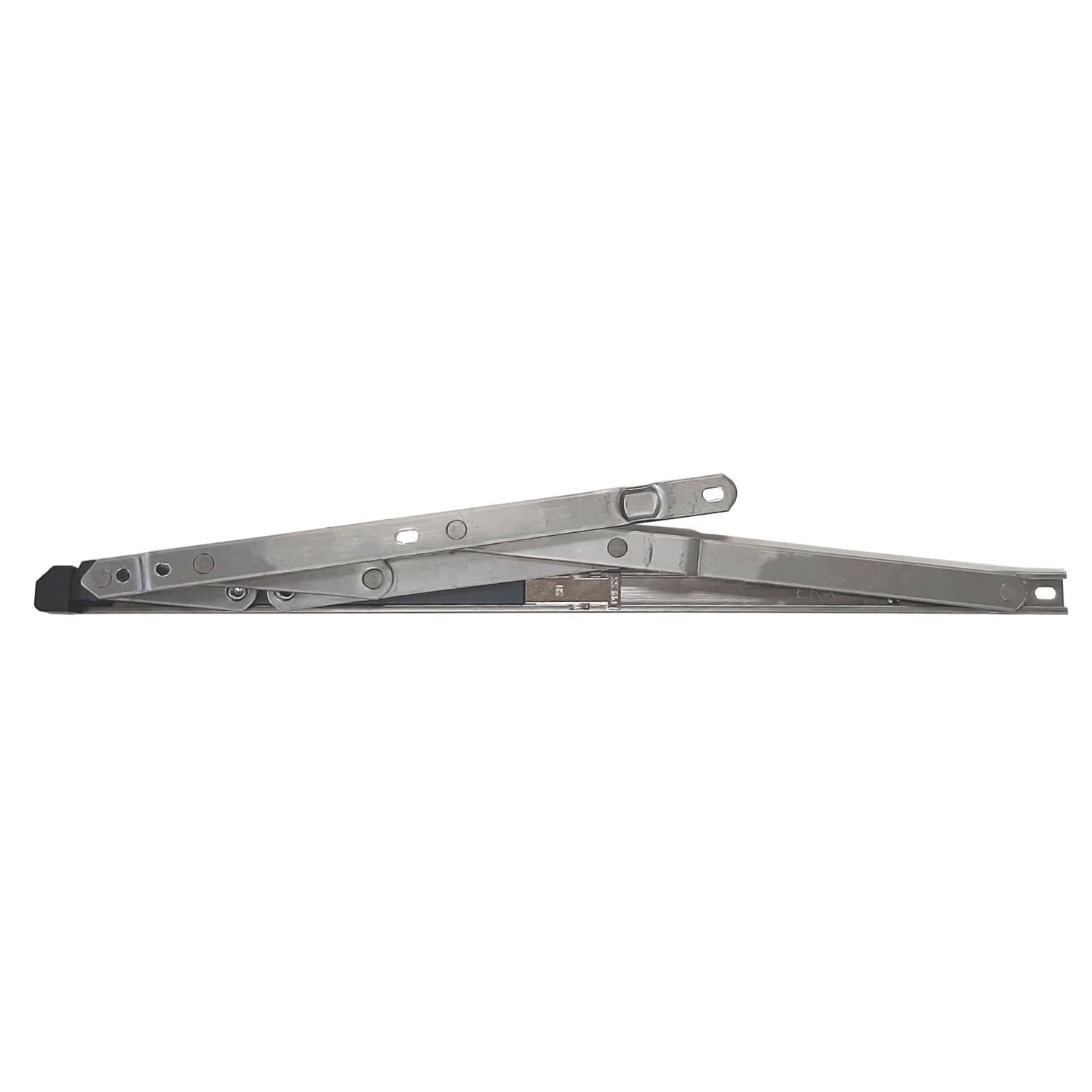
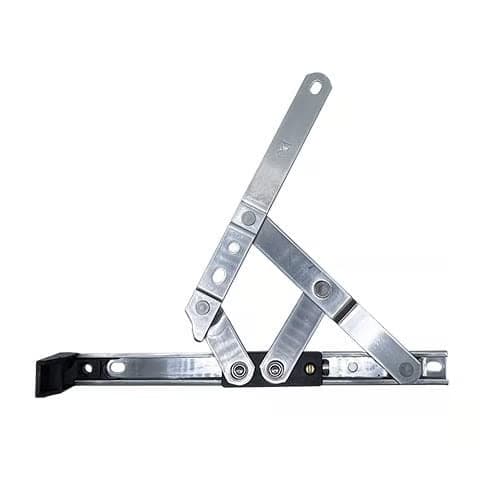
Older windows often used butt hinges or basic friction stays that provided limited weight support and little adjustment. Modern friction stays are precision-engineered, corrosion-resistant and allow for easier adjustment and replacement. They include features such as anti-slam restrictors, variable friction settings and captive screws to aid removal and refitting.
DIY tip: always support the sash before removing stays. Use a sash lifter or a partner, and mark hinge positions so you can refit new stays in the correct orientation; use stainless steel fixings to avoid future rust staining and to ensure secure anchorage in reinforced profiles.
Glazing beads and glass units
Glazing beads in older frames were often slimmer and retained a single glazed unit rather than the sealed double-glazed units used today. Modern glazing beads are designed to accept 24mm to 36mm units and have clip systems that allow tool-free removal in many cases. Insulated glass units have also improved: low emissivity coatings, warm edge spacers and argon fill combine to give better thermal performance.
Trade advice: if you need to replace glass in an older sash, check the bead profile and whether the frame can accept modern unit thicknesses; if not, you may need bespoke units or to replace the bead and part of the sash.
Gaskets, seals and weathering
Sealing technology has moved on from compressible foam and hard PVC gaskets to durable EPDM and TPE seals that maintain elasticity over decades. Modern seals create better compression and draft exclusion while remaining easier to replace. Trickle vents and weep systems have been refined to meet current Building Regulations and to ensure adequate ventilation without compromising thermal performance.
Security improvements
Security standards have become stricter: older upvc window parts may not meet current PAS 24 or Secured by Design recommendations. Modern replacements incorporate anti-lift keeps, reinforced sashes, and enhanced locking cams. Where security is important, choose parts designed to resist forced entry, for example mushroom cams paired with anti-lift keeps or reinforced striker plates fixed with coach screws into reinforcement.
Compatibility and retrofitting challenges
One of the biggest practical issues when replacing old parts is compatibility. Profile manufacturers used their own proprietary dimensions and fixing centres. You may encounter:
- Different screw centres on hinges and keeps
- Varying backsets and spindle lengths on handles and gearboxes
- Non-standard glass rebates and bead designs
- Hidden reinforcement shapes that prevent modern hardware from seating correctly
Trade tip: identify the profile system where possible; many profiles are stamped or can be recognised by specific corner weld patterns, drip-bar shapes or runner designs. Photographs and measurements sent to a supplier often allow them to match a suitable replacement part or recommend a retrofit solution.
Practical trade advice and DIY guidance
- Measure twice: record handle centres, spindle length, backset, screw centres and sash dimensions before ordering parts.
- Photo documentation: take clear photos of the worn part, frame edge and any markings to speed up identification with suppliers.
- Use the correct fixings: stainless steel or coated screws sized to the manufacturer’s recommendation; avoid over-tightening which can deform uPVC.
- Support the sash: always prop or support the sash when replacing hinges or stays to prevent accidents and avoid stressing the frame.
- Consider full sash replacement: if multiple components are worn or the frame is distorted, replacing the whole sash can be more economical and restore performance.
- Keep common spares in van stock: espagnolette strips, handles, friction stays, gaskets and glazing beads are frequently requested parts on service calls.
Maintenance and longevity
Regular maintenance prolongs the life of both old and new parts. Lubricate moving parts with a light silicone spray rather than oil, clean gaskets and profiles with a mild detergent, and periodically check screw tightness and drainage channels. Upgrading seals and locks can significantly improve weather performance and security without replacing whole frames.
Recommended Products
Based on this article, you may find these products helpful:
- Top Hung Friction Stay - 12"
- ERA Egress (Fire escape) Friction Stay
- TSS Standard Friction Stays – 13mm & 17mm Stack Height
- Restricted Friction Stay Hinges
- ERAB Espagnolette Window Lock Universal Lock Replacement
Conclusion and next steps
Old uPVC window parts can differ in material, dimensions and security features from modern replacements; recognising those differences is essential whether you are a homeowner repairing a window or a tradesperson sourcing components. Start by measuring and photographing the existing parts, compare gasket and glazing rebate sizes, and consult suppliers if you suspect non-standard profiles. For parts and supplies see our double-glazing supplies guide or contact Window Hardware Store for help identifying the right replacement upvc window parts and accessories.
Related articles
Glazing Tools Safety Guide: Avoiding Common Injuries
Glazing Tools Safety Guide: Avoiding Common Injuries Working with glazing tools carries a real risk of cuts, crushed fingers and slips when handling panes ...
How to Maintain Your Glazing Tools for Longer Life
How to Maintain Your Glazing Tools for Longer Life Whether you are a trade glazier or a DIY homeowner replacing a pane, well‑maintained glazing tools save ...