
Glazing Tools Safety Guide: Avoiding Common Injuries
Glazing Tools Safety Guide: Avoiding Common Injuries Working with glazing tools carries a real risk of cuts, crushed fingers and slips when handling panes ...
Glazing Tools Safety Guide: Avoiding Common Injuries
Working with glazing tools carries a real risk of cuts, crushed fingers and slips when handling panes and frames. Whether you are a trade professional replacing sealed units on a commercial project or a homeowner repairing a single pane in a sash window, following correct procedures and using suitable personal protective equipment reduces accidents and protects long-term health.
Common glazing tools and their hazards
Recognising the main tools and their typical risks is the first step to working safely.
- Glass cutters and running pliers: cuts from incorrect scoring or improper break; shards from poorly controlled snapping.
- Suction cups and vacuum lifters: failure of pads or improper attachment; risk of dropping heavy glass.
- Glazing knives, chisels and scrapers: deep cuts or puncture injuries if blades slip.
- Sealant guns and caulking tools: skin contact with uncured silicone or solvent-based products; irritation from fumes.
- Angle grinders and tile saws (for trimming frames or masonry): flying particles, noise and dust; risk of kickback if used incorrectly.
- Hammers and mallets: crushing fingers when seating glass or beads; fragments when striking hard surfaces.
Personal protective equipment and workshop safety
PPE is essential whether you are on site or working from a home workshop. Always choose equipment appropriate to the job.
- Safety glasses or a full face shield for head-height work and when cutting; impact-rated goggles for grinding.
- Cut-resistant gloves: level 3 or above for handling glass; remove gloves before working with power tools that can entangle material.
- Long sleeves and forearm protection when breaking out panes; consider leather gauntlets for heavy work.
- Steel-toe boots when handling large units; non-slip soles for wet conditions.
- Hearing protection with noisy power tools; FFP2/FFP3 masks when dust or old putty is disturbed.
- First-aid kit and access to clean running water for rinsing eyes or wounds; employer projects require a risk assessment and clear emergency procedures.
Safe handling and lifting of glass
Glass is heavy and unforgiving. Use mechanical aids and correct body mechanics to avoid strains and dropped panes.
- Use rated suction cups or powered vacuum lifters for large panes; check pads for cuts and age before lifting.
- Two-person lifts for anything over 10–15 kg or awkward shapes; agree signals and movements in advance.
- Carry glass vertically where possible; hold near the centre of gravity and avoid tipping panes towards your body.
- Store glass on A-frame racks with straps; never lean loose sheets against a wall where they can topple.
- When lifting into a frame, use setting blocks and packers to protect the glass edge; avoid seating glass directly on metal profiles.
Using hand tools correctly
Small mistakes with hand tools cause many injuries. Keep blades sharp, use the right tool for the job and protect the frame.
- Scoring and breaking glass: use a properly oiled wheel cutter and make a single continuous score; use running pliers to break the score and protect hands with heavy gloves.
- Removing glazing beads: use a wide, thin pry bar or glazing knife to lever beads away evenly; prise a little at each fix to avoid splintering the frame or cracking the glass.
- Scrapers and chisels: keep the cutting edge sharp and use a push motion away from your body; secure frames in a vice where possible to prevent slips.
- Setting blocks and gaskets: use the correct size and location to support the glass and prevent edge loads; remember that toughened glass cannot be re-cut.
Power tools, electricity and chemicals
Power tools cut time but increase injury risk if used incorrectly. Observe electrical safety and chemical handling guidance.
- Use a residual current device (RCD) on site and check leads and plugs for damage; avoid trailing cables across walkways.
- When cutting frame material use the recommended blade; for glass cutting use water-fed diamond blades to suppress dust and heat.
- Silicone sealants: choose neutral-cure products for metal and certain plastics to avoid corrosion; wear nitrile gloves and ensure adequate ventilation.
- Solvent cleaners and paint strippers: consult safety data sheets; store chemicals in labelled containers and dispose of waste responsibly.
Working at height and around frames
Many glazing jobs require ladders or scaffolds. Falls and dropped tools cause severe injuries; plan to prevent both.
- Use a platform scaffold or mobile tower for extended work; ladders may be acceptable for short, low-risk tasks only.
- Tether tools when working at height and use tool belts that do not restrict movement; a dropped pane at height is extremely dangerous.
- When replacing panes in sash windows, lower the sash fully and use sash dogs or clamps to hold components steady while removing beads.
- Be aware of overhead power lines when using long lifters or cranes for heavy glass.
Waste, broken glass and disposal
Broken glass is a hazard long after a job finishes. Contain and label waste, and follow local disposal rules.
- Tape large breaks to keep shards together and bag small fragments in rigid containers; label as broken glass.
- Clean up with a brush and dustpan; do not use bare hands even for tiny shards.
- Recycling: many suppliers accept clean glass or whole units for recycling; sealed units with spacer bars and desiccant may require specialist handling.
- Record any incidents and review method statements to prevent recurrence; employers must report certain injuries under RIDDOR.
Practical checklists for tradespeople and DIYers
Two concise checklists to prepare for a glazing task.
- For tradespeople: Risk assessment and COSHH review; PPE for team; rated suction cups/vacuum lifter; two-person plan; setting blocks and packers; neutral-cure silicone; RCD on power tools; waste containment; client sign-off procedure.
- For DIY homeowners: Check whether the glass is toughened or laminated before attempting to cut; smaller panes only to be handled by one person; buy or borrow cut-resistant gloves and goggles; use basic suction handles for small panes; have a helper when removing beads; consider hiring a local glazier for sealed units or high-level work.
Recommended Products
Based on this article, you may find these products helpful:
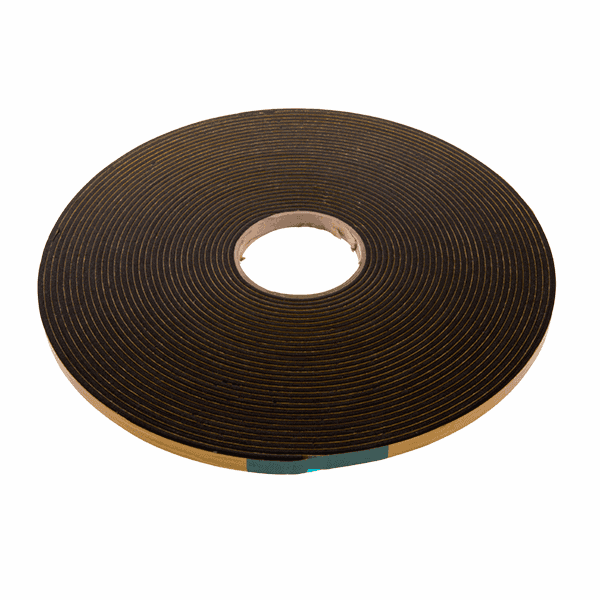
- Structural Glazing Tape - 20mm
- Security Glazing Tape
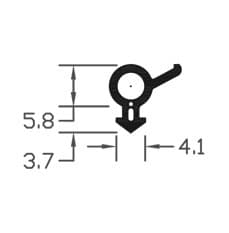
- B003 Bubble Gasket
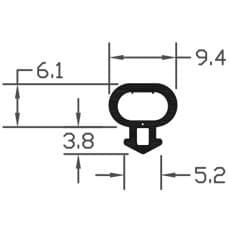
- B004 Bubble Gasket
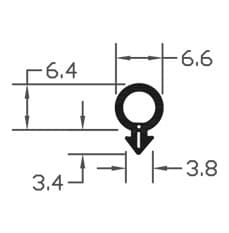
- B007 Bubble Gasket
Conclusion and next steps
Safety while using glazing tools depends on correct preparation, the right equipment and sensible working practices. If you are unsure about a job such as replacing insulated glass units or working at height, engage a professional; for routine repairs, follow the PPE and handling advice above. For further technical information and supplies, visit our pillar page at /guides/double-glazing-supplies to find compatible hardware, setting blocks and specialist sealants.
Products mentioned in this article
Related articles
How Old uPVC Window Parts Differ from Modern Replacements
How Old uPVC Window Parts Differ from Modern Replacements Older uPVC windows fitted in the 1980s and 1990s were robust for their time, but the components u...
How to Maintain Your Glazing Tools for Longer Life
How to Maintain Your Glazing Tools for Longer Life Whether you are a trade glazier or a DIY homeowner replacing a pane, well‑maintained glazing tools save ...