
Glazing Tools Buying Guide: What Every Professional Needs
Glazing Tools Buying Guide: What Every Professional Needs Choosing the right glazing tools saves time, improves finish quality and reduces breakages. Wheth...
Glazing Tools Buying Guide: What Every Professional Needs
Choosing the right glazing tools saves time, improves finish quality and reduces breakages. Whether you are a trade glazier fitting sealed units or a competent DIYer replacing a single pane, the correct kit makes the job safer and more predictable. This guide lists essential tools, gives practical advice on selection and use, and covers safety and maintenance specific to window and door hardware in UK properties.
Essential glazing tools for every toolbox
Start with a core set that covers measuring, handling, cutting, fixing and sealing. These tools are useful across timber, uPVC and aluminium frames.
- Measuring tools: steel tape measure, digital laser measure, combination square for checking rebates and glass edge clearance
- Glass handling: rated suction cups for single panes, multi-pad vacuum lifters or trolley for large insulating glass units
- Cutting tools: oil-filled glass cutter, running pliers, grozing pliers for small chip removal
- Beading and removal tools: beading wedge, plastic pushers, universal glazing knife and mini pry bars designed to avoid damaging frames
- Setting and packing: range of plastic and nylon packers (0.5mm to 6mm), setting blocks to support IGUs at the base of the frame
- Adhesives and sealants: good quality acrylic or neutral-cure silicone, polyurethane adhesives for structural fixes, sealant gun with variable thrust
- Finishing tools: caulk finishing tool, putty knife, bead roller for compressing gaskets
- PPE: cut-resistant gloves, safety spectacles, steel-toe boots, dust mask for grinding or solvent fumes
Specialist tools for trade professionals
Tradespeople working on busy sites will benefit from higher-spec kit and time-saving devices.
- Electric glass lifters: powered vacuum lifters for handling large IGUs; check payload rating and pad material for wet weather
- Glass clamps and temporary framing clamps: secure units while bedding cures, especially useful on outward-opening doors
- Router and rebate tools: for renewing timber rebates or trimming out uneven frames; fitted with dust extraction where possible
- Bead removal chisels and specialised sash tools: reduce damage to historic timber windows when preserving beads
- Torque-controlled screwdrivers: prevent over-tightening beading screws which can bow beads and crack glass
Key technical considerations
Tool choice depends on glass type, unit thickness and frame material. Consider these technical points when buying:
- Weight and thickness: calculate the weight of units before selecting suction lifters; an IGU with double panes will be substantially heavier than single glass
- Clearances: allow a typical clearance of 3mm to 4mm around insulated glass units for thermal expansion; confirm manufacturer recommendations for specific profiles
- Setting block placement: position setting blocks at the quarter points along the sill; never rest an IGU directly on screws or uneven surfaces
- Sealant compatibility: use neutral-cure silicone on metal or painted surfaces to avoid reaction with frame finishes; use appropriate backing rods to control sealant depth
- Gasket systems: for compression gaskets, use bead rollers and insertion tools to seat the gasket without stretching it
Practical trade tips and buying advice
Buying choices can reduce waste and improve turnaround on install jobs. These trade-level tips will help you choose the right tools and consumables.
- Buy quality suction cups rated above the expected load; cheaper cups lose grip when wet or dirty
- Keep a small stock of the most common packer sizes and setting blocks; having multiple sizes reduces on-site trimming and rework
- Use a silicone gun with adjustable thrust for controlled application; battery-powered guns increase speed for high-volume sealing
- Choose blades and cutters that are replaceable; keeping spare cutter wheels and blades avoids downtime
- Standardise on a few trusted sealant brands to ensure compatibility and predictable curing times across jobs
DIY guidance for homeowners
Homeowners tackling a simple pane replacement should prioritise safety and simplicity. For small jobs, a compact set will suffice.
- Assess the job: measure the aperture precisely and check whether the unit is sealed glass or single-pane; sealed units are heavier and often need two people
- Safety first: wear cut-resistant gloves and eye protection; use proper suction cups rather than making ad hoc lifts
- Use setting blocks: place blocks under the glass to support weight and keep it central in the frame; avoid resting glass on mortar lines or screws
- Sealing: use a neutral-cure silicone for perimeter seals; allow recommended cure times before exposing to rain
- When to call a pro: for large units, double-glazed sealed units, or when dealing with leaded or heritage glazing, hire a professional who has powered lifters and experience with special beads
Maintenance and storage of glazing tools
Good tool care extends life and reliability. Follow these basic maintenance steps.
- Clean suction cups and pads after each use; store in a cool, dust-free area to prevent drying and cracking
- Keep blades sharp and lubricated; replace cutter wheels at the first sign of chipping
- Store sealants upright and at stable temperatures; check expiry dates and batch consistency
- Inspect lifting equipment and clamps before use; maintain service records for powered lifters
Recommended Products
Based on this article, you may find these products helpful:
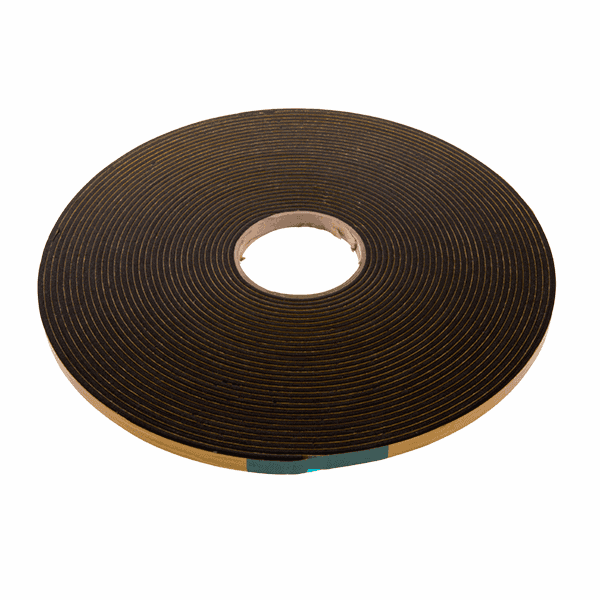
- Structural Glazing Tape - 20mm
- Security Glazing Tape
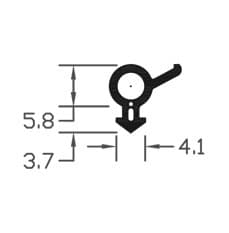
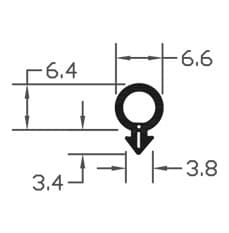
- B003 Bubble Gasket
- B004 Bubble Gasket
- B007 Bubble Gasket
Conclusion and next steps
Assemble a basic kit first and add specialist tools as workload increases. Prioritise rated handling equipment, accurate measuring tools and the right sealants for the frame material. For trade users, investing in powered lifters and quality sealant guns will repay quickly in speed and safety; for DIYers, focus on PPE and simple, reliable hand tools.
For a more comprehensive selection of consumables and hardware suited to double glazing work, visit the double glazing supplies hub: /guides/double-glazing-supplies. If you need help choosing tools for a specific job, contact a technical adviser with details of glass size, thickness and frame type.
Products mentioned in this article

Related articles
How Old uPVC Window Parts Differ from Modern Replacements
How Old uPVC Window Parts Differ from Modern Replacements Older uPVC windows fitted in the 1980s and 1990s were robust for their time, but the components u...
Glazing Tools Safety Guide: Avoiding Common Injuries
Glazing Tools Safety Guide: Avoiding Common Injuries Working with glazing tools carries a real risk of cuts, crushed fingers and slips when handling panes ...
How to Maintain Your Glazing Tools for Longer Life
How to Maintain Your Glazing Tools for Longer Life Whether you are a trade glazier or a DIY homeowner replacing a pane, well‑maintained glazing tools save ...