
Glazing Tools for uPVC, Aluminium and Timber: What's Different?
Glazing Tools for uPVC, Aluminium and Timber: What's Different? Choosing the right glazing tools matters whether you are a trade professional fitting dozen...
Glazing Tools for uPVC, Aluminium and Timber: What's Different?
Choosing the right glazing tools matters whether you are a trade professional fitting dozens of windows a week or a homeowner replacing a single sealed unit. uPVC, aluminium and timber frames each present specific requirements: different fixings, gaskets, sealants and handling techniques. This post explains the practical differences and offers trade and DIY guidance so you can finish jobs cleanly, safely and to manufacturer tolerances.
Common glazing tools every fitter should know
Before looking at material-specific differences, these are tools you will use on nearly every job involving double glazing:
- Glass suction lifters and glass carriers for safe handling of IGUs
- Setting blocks and non-compressible packers to position and support the sealed unit
- Bead removal tools and plastic beading wedges for removing and fitting glazing beads
- Silicone gun and sealant finishing tool; spirit level and tape measure
- Drill/drivers with a range of drill bits and countersinks; rivet gun for some aluminium systems
- PPE: safety glasses, cut‑resistant gloves, hearing protection and safety boots
uPVC: low torque and gentle handling
uPVC is common in the UK domestic market and is relatively forgiving. Glazing tools for uPVC focus on avoiding over-stress to the frame and beads: use a low to medium torque setting on cordless drivers to prevent cracking and stripping of threads. Pre-drilling is usually not required for uPVC screw-in bead retainers, but pilot holes for fixing frames into masonry are essential.
- Use plastic beading wedges and a dedicated bead lifter when removing beads; metal tools can mark the surface.
- Use non-compressible plastic or rubber packers under the IGU at the recommended positions: typically at the quarter points in the base of the rebate.
- Use neutral cure silicones that are uPVC-compatible; avoid acid cure products that can attack seals.
- When drilling into uPVC frame to fix to masonry, use a slower speed and keep the bit vertical to avoid wobble; follow manufacturer guidance for screw length and type.
DIY tip: if replacing glass in an existing uPVC frame, mark the bead locations with a pencil before removal so you can replace beads in the correct orientation; keep all clips and retainers for refitting.
Aluminium: precision, corrosion and thermal considerations
Aluminium frames are strong and slim, but require different glazing tools and techniques. Aluminium often uses mechanical glazing beads or caps fixed with rivets or screws; the metal needs corrosion‑resistant fixings and careful drilling.
- Use high quality HSS or cobalt drill bits for aluminium; a step drill or countersink bit works well for neat countersinking.
- Stainless steel or aluminium rivets and fixings are essential to avoid galvanic corrosion; use a rivet gun sized to the rivet shank.
- When fitting sealants, aluminium should be solvent‑wiped and primed if required by the sealant manufacturer to ensure adhesion and prevent discolouration.
- Keep heat input low when drilling; excessive heat can affect thermal breaks in thermally-broken aluminium systems.
Trade advice: many commercial aluminium systems use continuous glazing gaskets; gasket fitting tools and rollers make insertion quicker and reduce the risk of stretching. For heavy IGUs use mechanical lifting equipment or two-person lifts with suitable suction pads, as aluminium sightlines are narrow and can transmit local stresses to the glass.
Timber: traditional methods and moisture considerations
Timber frames need carpentry tools and an understanding of seasonal movement. Timber can shrink or swell; glazing tools for timber are aimed at achieving a weatherproof, flexible seal and secure bead fixing.
- Use countersunk timber screws and pre‑drilled pilot holes to avoid splitting. Stainless steel or galvanised fixings are recommended for external frames.
- Traditional glazing putty is still used on certain styles; modern neutral cure silicones and proprietary glazing tapes are common alternatives.
- Carpenters use sash cramps, small mallets and glazing points or beading pins for historic windows; a glazing knife and putty finishing tool are useful for finishing putty.
- Ensure timber is dry and treated or painted before fitting glass; trapped moisture behind beads will cause rot and failed seals.
DIY note: for timber sash windows consider using proprietary flexible rubber glazing tape beneath the bead to allow movement and maintain a seal; check local conservation requirements if the building is listed.
Sealants, setting blocks and packers: material compatibility
Selecting the correct sealant and packer material affects long‑term performance. Use non‑compressible packers that are compatible with the frame: neoprene, PVC or polypropylene packers are common. Setting blocks should be positioned to support the weight of the IGU; industry guidance typically recommends them at 1/4 points across the width.
- Neutral cure silicone is widely compatible with uPVC and aluminium; ensure adhesion to any paint or primer on timber.
- Polysulphide and butyl tapes are still used for bedding in certain commercial frames; trade users should follow manufacturer specifications for joint design.
- For timber, linseed oil putty can be used in traditional designs; allow adequate curing time and finish with paint for protection.
Practical checks and safety advice
Before starting any glazing work check these items:
- Measure the rebate depth and frame geometry; order the correct thickness and edgework for the IGU.
- Inspect gaskets and beads for wear; replace rather than re‑use brittle gaskets.
- Verify that fixings are corrosion‑resistant for the frame and substrate combination.
- Use appropriate PPE and two-person lifts for large units; suction cups are essential for safe single‑person handling within limits.
If in doubt about loadings, thermal break integrity or complicated hardware adjustments such as multipoint locking systems, consult a trade specialist. Incorrect glazing can cause failed seals, draughts or damage to the frame.
Where to get the right glazing tools and parts
For a wide range of glazing tools, consumables and fixings see our resources and supplies at Double Glazing Supplies. Trade professionals will want higher‑spec drill bits, rivet guns and suction lifters; homeowners can buy smaller suction cups, silicone guns and bead tools for basic repairs.
Recommended Products
Based on this article, you may find these products helpful:
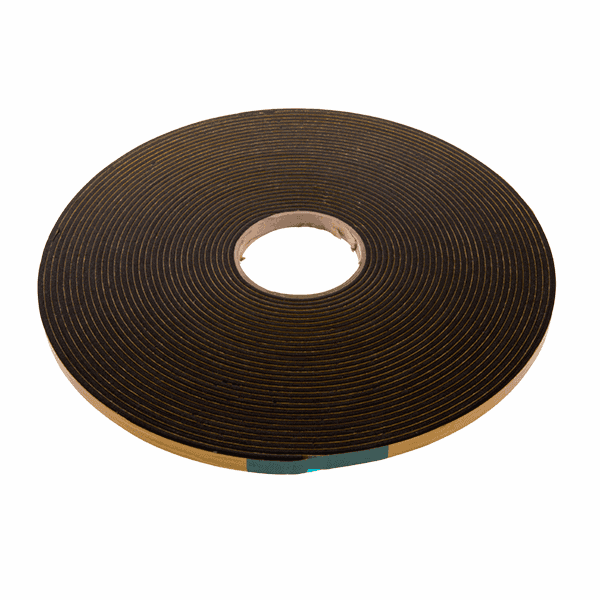
- Structural Glazing Tape - 20mm
- Security Glazing Tape
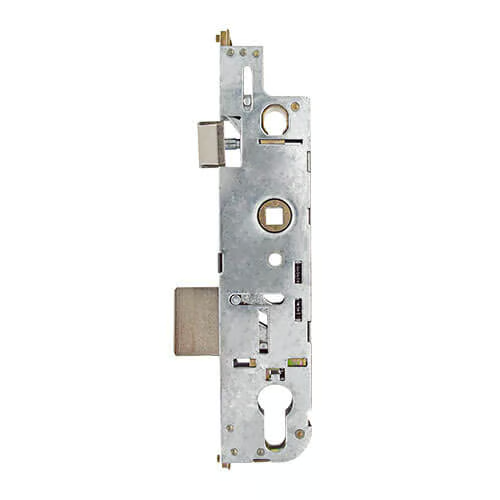
- Multipoint Gearbox GU Old Style
- E-Type Gasket - Black 5m Roll
- E-Type Gasket - Black (Per Metre)
Conclusion and next steps
Choosing the right glazing tools depends on the frame material: uPVC needs gentle handling and compatible silicones; aluminium demands corrosion‑resistant fixings and precise drilling; timber requires carpentry skills and allowances for movement. For trade work, invest in quality power tools, rivet equipment and a range of packers and setting blocks. For DIY, limit work to manageable sizes, use suction cups and hand tools, and call a professional for large or complex replacements.
Next steps: inspect the frame type and rebate dimensions, compile a materials list (IGU size, sealant type, setting blocks and fixings), and if unsure contact a specialist or consult manufacturer fitting instructions before attempting the job.
Products mentioned in this article
Related articles
How Old uPVC Window Parts Differ from Modern Replacements
How Old uPVC Window Parts Differ from Modern Replacements Older uPVC windows fitted in the 1980s and 1990s were robust for their time, but the components u...
Glazing Tools Safety Guide: Avoiding Common Injuries
Glazing Tools Safety Guide: Avoiding Common Injuries Working with glazing tools carries a real risk of cuts, crushed fingers and slips when handling panes ...
How to Maintain Your Glazing Tools for Longer Life
How to Maintain Your Glazing Tools for Longer Life Whether you are a trade glazier or a DIY homeowner replacing a pane, well‑maintained glazing tools save ...