Euro Cylinder Brands Compared: Which Is Most Secure?
Euro Cylinder Brands Compared: Which Is Most Secure? Choosing the right euro cylinder lock matters for every external door on a UK property. Homeowners wan...
Euro Cylinder Brands Compared: Which Is Most Secure?
Choosing the right euro cylinder lock matters for every external door on a UK property. Homeowners want doors that resist common attacks; trade professionals need products that meet insurance and building standards. This post compares the leading brands, explains the technical features that improve security, and gives practical trade and DIY guidance for selecting and fitting a better euro cylinder. For a broader overview of types and standards see our pillar page: /c/locks-security.
How euro cylinder locks work
Euro cylinder locks are the removable central locking element used in many uPVC, composite and timber doors. They sit in the door lock case and operate the cam that drives the internal multi-point locking mechanism or latch. The cylinder is retained by a single fixing screw through the face of the door; the key operates the pins or discs inside the cylinder to rotate the cam. Because the cylinder protrudes from the door edge, it is a common target for attack methods such as snapping, drilling, picking and bumping.
Key security standards and features to look for
When comparing brands, check for these measurable features and standards:
- TS007:2014 rating: a UK scheme for cylinder security; a 3-star cylinder gives the highest resistance to snapping and is widely specified for front doors.
- EN 1303:2015: European standard for cylinders covering durability, corrosion resistance and key-related security; useful for trade specifications.
- Anti-snap design: sacrificial sections or reinforced cores that break away in a way that leaves the operating section intact.
- Anti-drill and anti-pick elements: hardened steel inserts, mushroom pins, sidebars or disc-detainer mechanisms that slow or prevent attack.
- Key control and restricted key profiles: patented systems that restrict unauthorised key duplication.
- Correct length and minimal projection: a cylinder should not protrude beyond the door furniture; excess projection makes snapping easier.
Brand comparison: strengths and what to watch for
The following summaries focus on typical product ranges rather than every model; check the specific cylinder's rating before purchase.
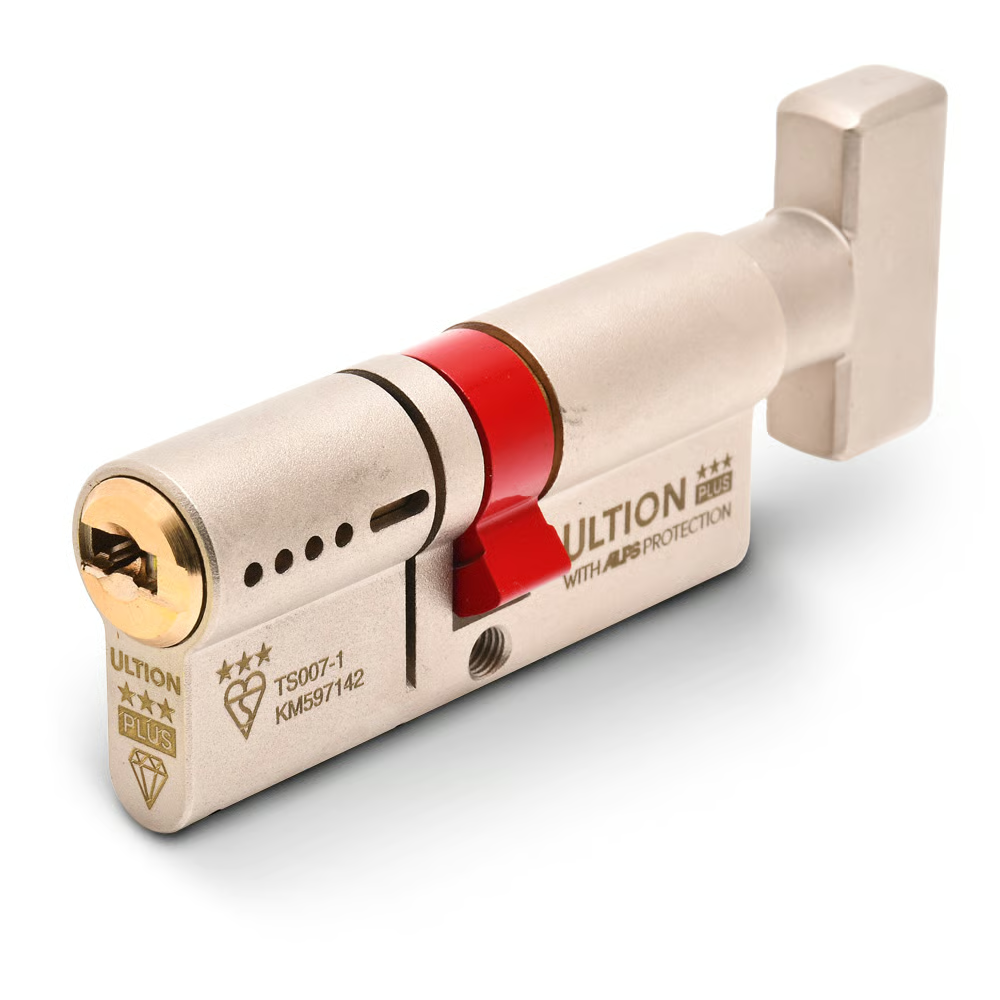
- Ultion (Brisant): Strong reputation in the UK for TS007 3-star cylinders with an internal locking pin system that resists snapping and drilling; patented key control in many ranges; widely used by installers wanting proven anti-snap performance. Pros: excellent anti-snap engineering and positive trade support. Watch for: higher price than basic cylinders; ensure you order the correct length.
- Yale: Large, widely available range from economy to high-security cylinders. Yale offers TS007-rated cylinders and models with anti-drill and anti-pick features. Pros: broad range and easy availability for replacements. Watch for: some lower-cost Yale cylinders are not TS007; always confirm model rating.
- Mul-T-Lock: High-security cylinders featuring patented key control and robust internal mechanisms; very good resistance to picking and drilling. Pros: strong key control and premium security; often specified on higher-end installations. Watch for: cost and the need to manage restricted key orders for customers.
- Abloy: Uses a disc-detainer system; inherently bump-proof and highly resistant to picking. Abloy PROTEC2 is a common high-security option. Pros: exceptional resistance to manipulation. Watch for: may require specialised key management and higher pricing.
- ERA: UK-based manufacturer with a range including TS007-rated cylinders and budget options. Pros: good balance of price and performance for tradespeople fitting to a variety of jobs. Watch for: confirm the precise spec; lower-priced ERA cylinders will not match premium brands for key control or drill resistance.
- KFV and CISA: Continental brands respected for quality engineering; many models offer anti-snap, anti-drill and EN compliance. Pros: reliable mechanical engineering suitable for commercial and high-spec domestic installations. Watch for: availability of specific models may vary regionally.
Practical trade advice
For installers and specifiers the cylinder is one element of the door security system: match the cylinder to the door, furniture and lock case to achieve the desired security level.
- Specify TS007 3-star cylinders for front doors to satisfy many insurance requirements; fit them with tested security handles and reinforced hardware.
- Check cylinder length: measure from the centre of the fixing screw to each end in millimetres; order a cylinder that leaves minimal projection past the outer face of the handle or escutcheon.
- Use a reinforced escutcheon or anti-snap protective plate if the door design requires additional protection; ensure fixings are anti-tamper screws where appropriate.
- Keep stock of popular sizes and 3-star options; for trade work it saves revisits and ensures compliance on-site.
- Advise customers on key control: restricted key systems provide extra security but need management of key orders and paperwork.
DIY guidance for replacing a euro cylinder
Replacing a euro cylinder is straightforward for many external doors; however, if you are unsure or the door contains a high-value multi-point lock seek professional help.
- Measure correctly: with the cylinder in place, measure from the centre screw to each end; common sizes are 35/35, 30/35 etc. Order the same or adjust if the outward projection caused the risk.
- Remove the cylinder: open the door slightly, turn the key 10–15 degrees to align the cam and pull the cylinder out while easing the key. Unscrew the securing screw first and ensure the key is present to turn the cam.
- Fit the new cylinder: insert the new cylinder with the cam aligned and use the retaining screw. Test operation several times with the door closed to make sure the cam engages the lock case correctly.
- Fit security furniture: fit a TS007-rated cylinder with appropriate high-security handles or an escutcheon; make sure fixings are long enough to reach the frame and are anti-tamper.
- Test overall: confirm the multi-point lock shoots correctly and that there is no binding. If the cylinder protrudes after fitting, replace it with the correct length; do not leave it projecting.
Recommended Products
Based on this article, you may find these products helpful:
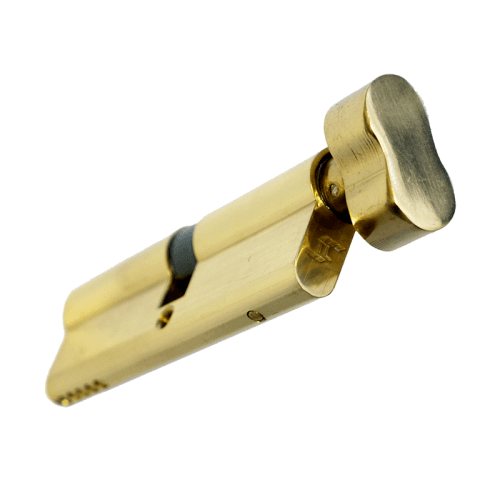
- TL Thumb Turn Euro Cylinder
- Ultion Plus TS007 3* Kitemarked Euro Key & Turn Cylinder
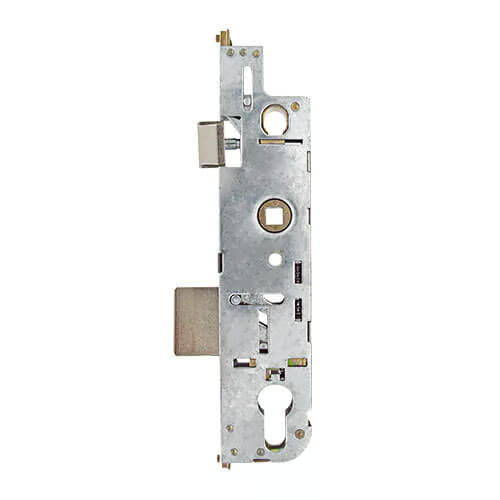
- Multipoint Gearbox GU Old Style
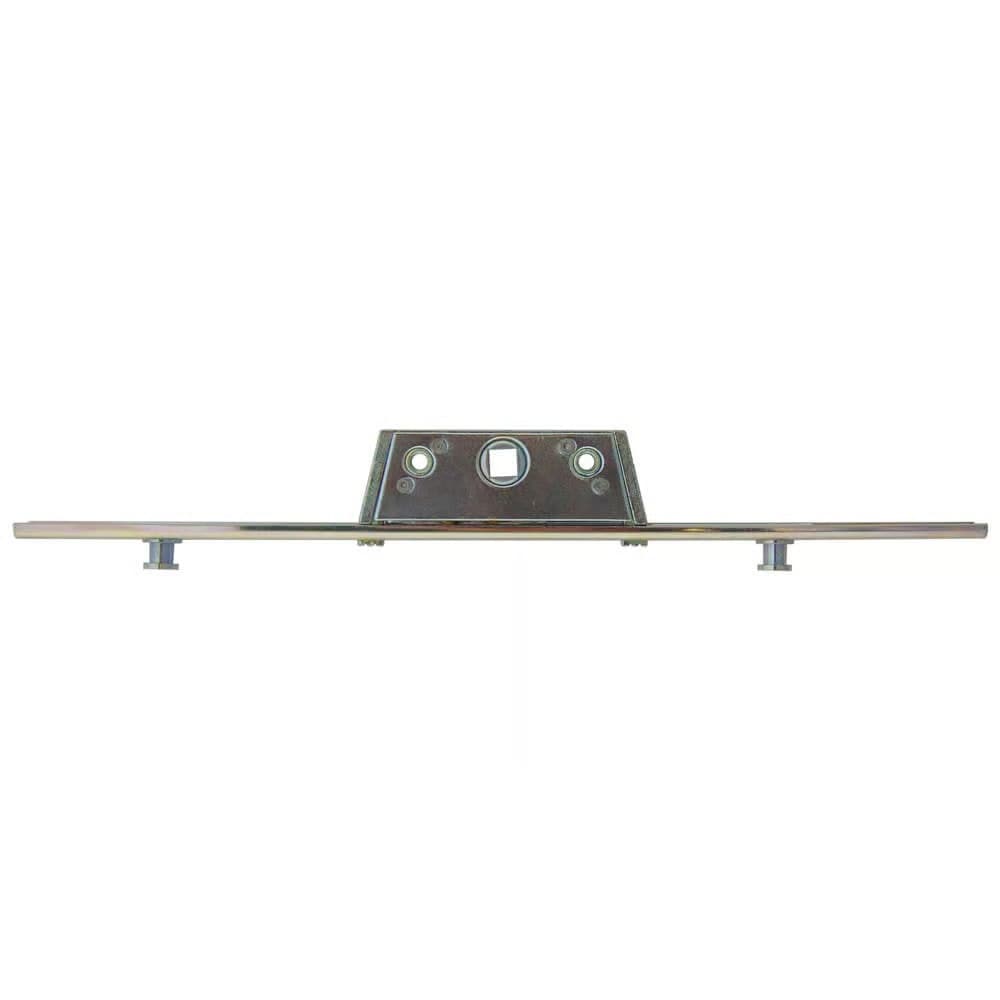
- In-Line Window Mechanism
- Offset Window Mechanism
Conclusion and next steps
No single brand is automatically the most secure for every situation; security depends on the product's rated features and correct installation. For the highest practical protection choose cylinders with TS007 3-star rating, good anti-drill and anti-pick measures, and restricted key control where required. Trade professionals should standardise on trusted ranges like Ultion, Mul-T-Lock or Abloy for premium jobs and keep TS007 options like Yale or ERA available for other work. DIYers can replace cylinders safely if they measure correctly and fit security furniture; otherwise instruct a qualified installer.
Next steps: check the existing cylinder rating on-site; measure for correct length; if upgrading, choose a TS007 3-star cylinder and fit a reinforced escutcheon. For project specifications or bulk orders contact your supplier or visit /c/locks-security for further technical reference.

Related articles
What Is a Thumb Turn Cylinder? Convenience vs Security
What Is a Thumb Turn Cylinder? Convenience vs Security What is a thumb turn cylinder? A thumb turn cylinder is a type of euro-profile lock cylinder that ha...
Thumb Turn Cylinder vs Panic Bar: Exit Options Compared
Thumb Turn Cylinder vs Panic Bar: Exit Options Compared examines two very different approaches to door egress and security. The thumb turn cylinder is a co...
Thumb Turn Cylinder Sizes: Finding the Right Length
Thumb Turn Cylinder Sizes: Finding the Right Length Choosing the correct thumb turn cylinder is vital for security, smooth operation and a neat finish on d...