
Euro Cylinder Lock Snapping: How Burglars Break In
Euro Cylinder Lock Snapping: How Burglars Break In Euro cylinder locks are widely used in uPVC, composite and timber doors across the UK. They are compact,...
Euro Cylinder Lock Snapping: How Burglars Break In
Euro cylinder locks are widely used in uPVC, composite and timber doors across the UK. They are compact, easy to replace and available in different lengths; however they have also been the target of a prolific forced-entry technique known as cylinder snapping. This article explains how burglars break in, why some installations are more vulnerable, and what trade professionals and homeowners can do to reduce the risk.
What is cylinder snapping?
Cylinder snapping is a physical attack on a euro cylinder lock designed to remove the external part of the cylinder so the attacker can manipulate the remaining mechanism and open the door. The attacker typically snaps the cylinder at a manufactured weak point or at the location where the cylinder protrudes from the door face; once the outside section is removed it is usually easy to access the cam and rotate it to release the multipoint lock.
How burglars snap a euro cylinder lock
- Probing: The burglar checks how far the cylinder protrudes from the door furniture; a protruding cylinder is easier to grip and snap.
- Gripping: Tools such as mole grips, locking pliers or a heavy pair of pliers are clamped on to the protruding end of the cylinder.
- Force and twist: The attacker applies force and a twisting motion; some use a quick levering action to break the thinner section of the barrel. The whole action can take just a few seconds.
- Accessing the cam: Once the outer section is removed, the remaining core can be turned or manipulated with simple tools to retract the latch or actuate the multipoint locking mechanism.
- Entry: The door is opened with minimal damage to the surrounding frame, which makes snapping attractive because it is fast and quiet compared to other methods.
Why some installations are more vulnerable
There are several factors that increase the likelihood of a successful snap attack:
- Excessive cylinder projection: If the cylinder extends beyond the faceplate or handle by more than a few millimetres it provides a secure purchase for tools.
- Low-security cylinder design: Older or basic euro cylinders lack sacrificial sections, anti-snap features, hardened pins or anti-drill elements.
- Unprotected escutcheons and handles: Thin or poorly fixed escutcheons do not prevent grips from reaching the cylinder, and insecure handle designs can be levered away.
- Close glazing: Doors with glass panels close to the lock make reaching in and turning a thumbturn possible after breaking glazing; this affects the choice between a thumbturn or keyed cylinder.
Practical protection for homeowners and tradespeople
Protecting a property requires both the right cylinder choice and correct installation. Use the following measures for best results:
- Fit an anti-snap, TS007 3-star or Secured by Design approved euro cylinder: These cylinders are tested to resist snapping, drilling, picking and bumping. Look for cylinders that advertise anti-snap protection with a sacrificial section that breaks away while preserving the internal mechanism.
- Minimise cylinder protrusion: Measure accurately and install a cylinder that sits flush within the door furniture. Aim for minimal projection; industry guidance is to keep protrusion to a few millimetres where possible.
- Use reinforced escutcheons or cylinder guards: Steel escutcheons that are fixed with long coach bolts and fitted to the faceplate can resist grips and prevent direct access to the cylinder.
- Upgrade door furniture: Choose security-rated handles that incorporate internal reinforcement and anti-snap features; some handles are reinforced around the cylinder with interlocking plates.
- Multipoint locks and reinforced keep plates: Ensure multipoint locking mechanisms are fitted and that keeps in the frame are reinforced; a strong multipoint lock makes unauthorised entry harder even if the cylinder is compromised.
- Consider laminated glazing or security film: For doors with glazing near the lock, stronger glass prevents attackers reaching in to operate a thumbturn.
Trade and DIY installation tips
- Measure cylinder length from the centre of the fixing screw to both ends and order the correct size; common notations are 30/35, 35/45 etc. A wrong length will cause unwanted projection or internal binding.
- When replacing a cylinder, remove the handle and the fixing screw first, then withdraw the old cylinder gently; this prevents damage to the door furniture.
- Secure escutcheons with the recommended fixings; use coach bolts or long security screws rather than short woodscrews that strip easily when attacked.
- Test the operation after fitting: ensure the euro cylinder cam engages smoothly with the lock mechanism, that multipoint hooks operate and that there is no binding of the cylinder.
- For trade professionals: specify TS007 3-star cylinders for external doors and confirm compatibility with the door profile and multipoint lock. Consider masterkeying concerns and recommend keyed-alike options only when appropriate.
- For DIYers: if unsure, consult a qualified locksmith. Replacing a euro cylinder is straightforward for competent DIYers, but fitting the correct length and ensuring robust escutcheon fixation are essential for security.
Signs of attempted snapping and what to do
Common signs of an attack include visible damage to the cylinder, metal debris on the threshold, a protruding broken barrel or the lock not operating. If you discover evidence of forced entry or an attempt:
- Do not touch anything that could be potential evidence; call the police if entry has been gained.
- If the cylinder is damaged but entry has not been gained, temporarily secure the door from the inside and arrange urgent replacement with an anti-snap cylinder and reinforced escutcheon.
- Document and photograph the damage for insurance and police reports.
- Consider upgrading other doors and ground-floor windows to the same standard to prevent repeated attempts.
Recommended Products
Based on this article, you may find these products helpful:
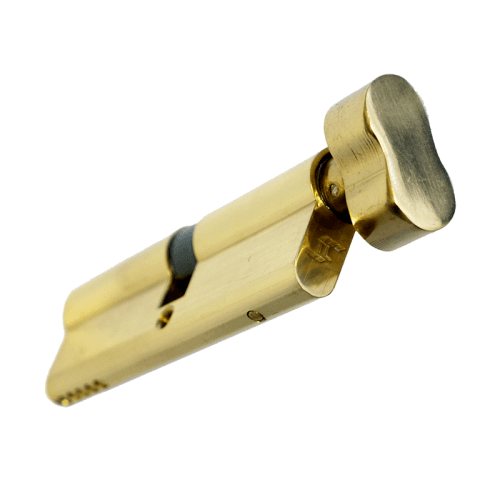
- TL Thumb Turn Euro Cylinder
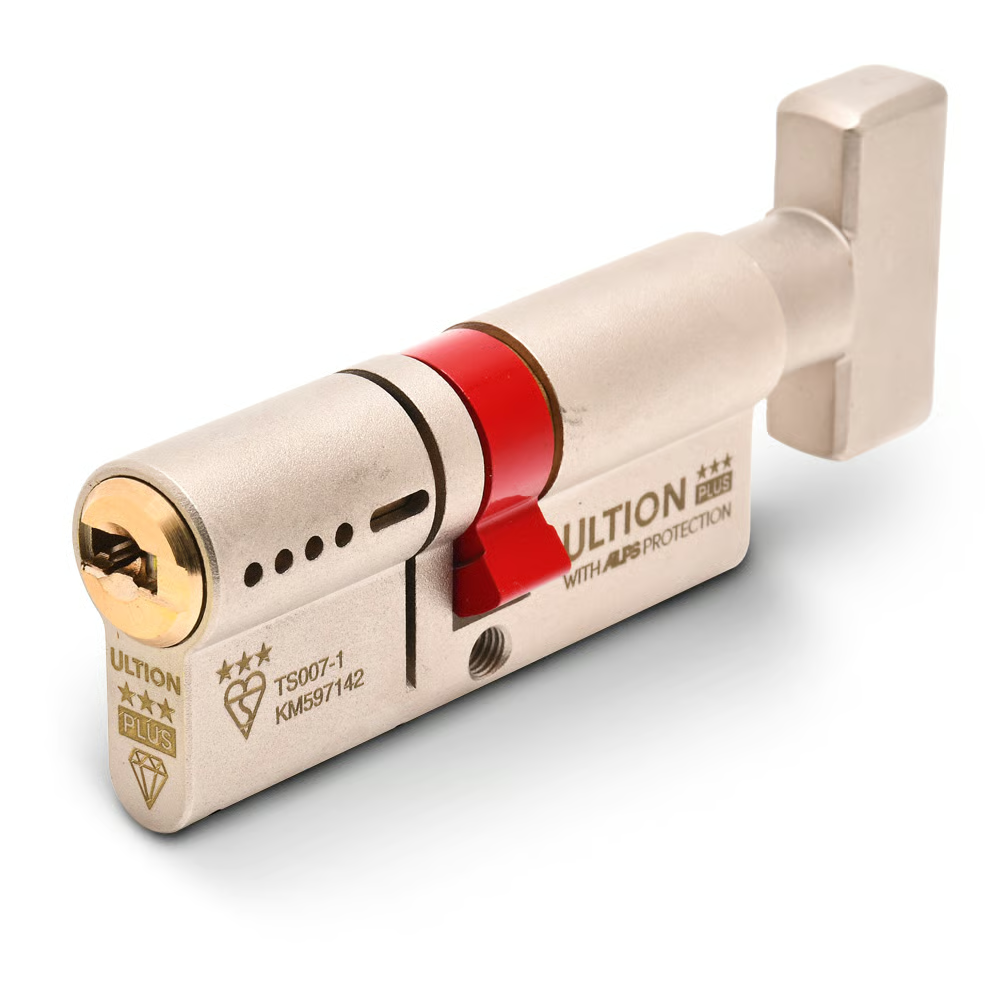
- Ultion Plus TS007 3* Kitemarked Euro Key & Turn Cylinder
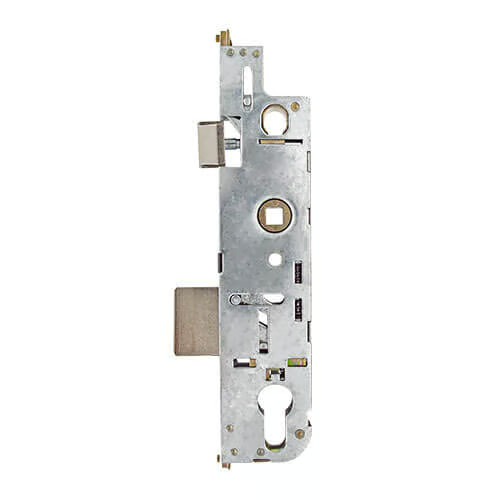
- Multipoint Gearbox GU Old Style
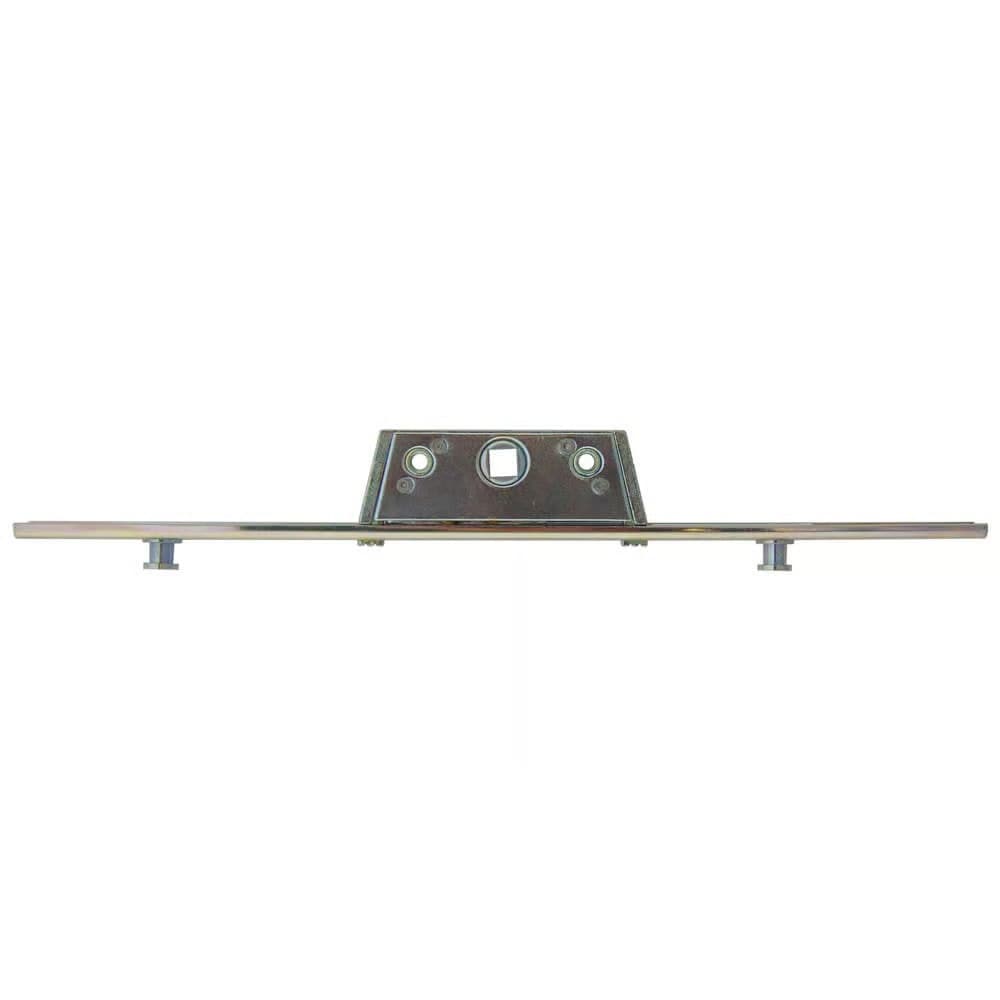
- In-Line Window Mechanism
- Offset Window Mechanism
Conclusion: next steps
Cylinder snapping remains a common method of forced entry because it is fast and requires little specialist kit. The best defence is to fit a recognised anti-snap euro cylinder, reduce cylinder projection, and fit robust escutcheons and security handles. Trade professionals should specify TS007 3-star or Secured by Design approved cylinders for external doors. Homeowners can often replace a vulnerable cylinder themselves, but for full protection it is worth consulting a locksmith or fitting professional.
For further technical information and product options see our pillar page on euro cylinders: /c/locks-security. If you need specific advice for a job or an on-site assessment, contact a qualified locksmith or one of our trade specialists.

Related articles
What Is a Thumb Turn Cylinder? Convenience vs Security
What Is a Thumb Turn Cylinder? Convenience vs Security What is a thumb turn cylinder? A thumb turn cylinder is a type of euro-profile lock cylinder that ha...
Thumb Turn Cylinder vs Panic Bar: Exit Options Compared
Thumb Turn Cylinder vs Panic Bar: Exit Options Compared examines two very different approaches to door egress and security. The thumb turn cylinder is a co...
Thumb Turn Cylinder Sizes: Finding the Right Length
Thumb Turn Cylinder Sizes: Finding the Right Length Choosing the correct thumb turn cylinder is vital for security, smooth operation and a neat finish on d...