
Euro Cylinder Security Ratings: Understanding the Star System
Euro Cylinder Security Ratings: Understanding the Star System is essential for anyone specifying, fitting or replacing a euro cylinder lock. Whether you ar...
Euro Cylinder Security Ratings: Understanding the Star System is essential for anyone specifying, fitting or replacing a euro cylinder lock. Whether you are a homeowner upgrading security or a tradesperson advising clients, knowing what the star ratings mean helps you choose the correct cylinder for doors and some uPVC or aluminium windows.
What the star ratings cover
In the UK the star system most commonly referenced is the TS007 3-star classification for euro profile cylinders. The ratings indicate resistance to common attack methods: snapping, drilling, picking and bumping. The practical outcome is whether a cylinder will delay or prevent a forced entry attempt long enough for the burglar to give up or be noticed. Insurance companies and trade specifiers often expect a minimum rating; many recommend a TS007 3-star cylinder for external doors.
Breakdown of 1, 2 and 3 star levels
- 1-star: Provides basic protection against picking and drilling; better than an unprotected cylinder but may still be vulnerable to snapping and sophisticated attack tools.
- 2-star: Improved resistance; typically offers greater protection against drilling and bumping compared with 1-star, but may not withstand a determined snapping attempt.
- 3-star: Highest commonly available TS007 rating; tested to resist snapping, drilling, picking and bumping. This is the rating many insurers and door manufacturers specify for external doors.
Key attack methods and technical protections
Understanding how locks are attacked helps you specify the right features:
- Snapping: Attackers place a tool on the cylinder to break it at the weakest point and then manipulate the remaining section. Anti-snap cylinders use a sacrificial section or reinforced bar so the external portion shears off while the internal mechanism remains protected.
- Drilling: Hardened steel plates or anti-drill pins protect the core. Good cylinders use hardened inserts and anti-drill pins to stop a drill bit reaching the pin stack.
- Picking: Security pins such as mushroom or spool pins, plus tighter tolerances, increase resistance to lock picking.
- Bumping: Specially shaped pins and tighter tolerances reduce the effectiveness of bump keys.
Practical trade advice for installers and specifiers
When specifying or fitting a euro cylinder lock for a client, follow these practical points:
- Specify a TS007 3-star cylinder for external doors: many insurers require this level for front and back doors. Check the client’s policy before finalising work.
- Buy cylinders with a recognised third-party certification: look for the MLA (Master Locksmiths Association) or a Kitemark and clear TS007 labelling.
- Check the cylinder size: measure from the centre of the fixing screw hole (the cam centre) to each end in millimetres. Common sizes are 35/35, 35/45, 40/50 and so on. Order the exact size to avoid protrusion which weakens security.
- Use the correct retaining screw length: too short and the cylinder can move; too long and it may bottom out or touch the internal hardware. Tighten to manufacturer torque; do not overtighten as this can bind the cam.
- Mind the cam position on multi-point locks: ensure the cam lines up with the gearbox; rotate the key to centralise the cam when removing and fitting a cylinder to avoid damage.
- Consider keyed-alike or master-keyed systems for multi-door properties: this saves end-users carrying many keys; document keying clearly for maintenance records.
DIY guidance for homeowners
Replacing a euro cylinder lock is a straightforward job for those with basic DIY skills, but follow these steps and safety notes:
- Measure first: remove the existing cylinder and measure the distances from the centre screw to each end. Order the same size unless you are modifying the door or moving handles.
- Remove the retaining screw: open the door, locate the central fixing screw on the edge of the door and remove it. Insert the key, turn slightly to line up the cam and slide the cylinder out.
- Install the new cylinder: slide the new cylinder into place with the cam aligned, insert and tighten the central screw, test operation with the door open before closing the door.
- Use a thumbturn option where appropriate: for properties where safe exit in an emergency is essential, consider a cylinder with a thumbturn on the inside; be careful with outward-opening doors where glass could allow an intruder to reach in and operate the thumbturn.
- Test before you finish: cycle the key several times through the locking points to ensure the cam does not bind the gearbox or multipoint mechanism.
Specialist considerations for tradespeople
For commercial and high-risk domestic work, additional standards and products may be suitable:
- BS EN 1303 covers mechanical performance categories such as durability, corrosion resistance and key strength; refer to this if you need performance figures beyond the TS007 star rating.
- Sold Secure and LPCB approvals may be required for high-security applications and insurance compliance; consult the specification.
- For timber, composite and steel doors ensure the cylinder is supported by reinforced hardware; long screws into weak timber will not prevent snapping.
- When replacing cylinders on fire doors or where doors are part of an escape route, verify that the replacement meets fire and safe egress requirements; check with the door manufacturer if necessary.
Windows and secondary doors
Euro cylinders are used in some patio doors and in certain window locking systems. For these applications consider:
- Lower-profile or half-cylinders where space is limited; ensure the chosen cylinder type is compatible with the window lock gearbox.
- Keyed alike systems for multiple windows; this is a common trade option for homeowners who want one key for all external openings.
- Weather and corrosion resistance for coastal properties; select cylinders with higher corrosion ratings under BS EN 1303.
Choosing the right euro cylinder lock
For most external residential doors a TS007 3-star euro cylinder lock with anti-snap design, anti-drill protection and anti-pick pins represents best practice. Confirm size, ensure correct installation and provide the homeowner with clear instructions about keying, spare keys and ongoing maintenance. For higher-risk or commercial premises, add Sold Secure or LPCB-rated products and consult with insurers.
Further technical information and specifications are available on our pillar page at /c/locks-security, where you can compare cylinder types, sizes and certifications.
Recommended Products
Based on this article, you may find these products helpful:
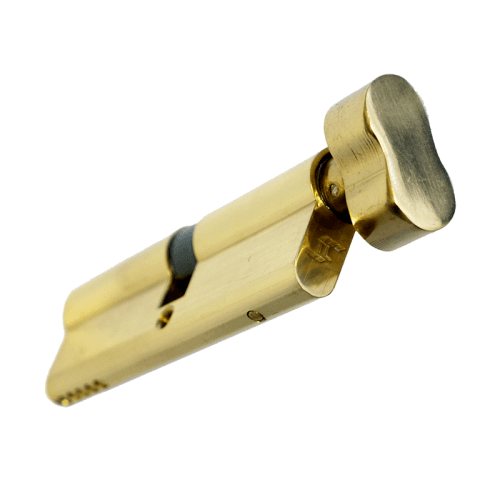
- TL Thumb Turn Euro Cylinder
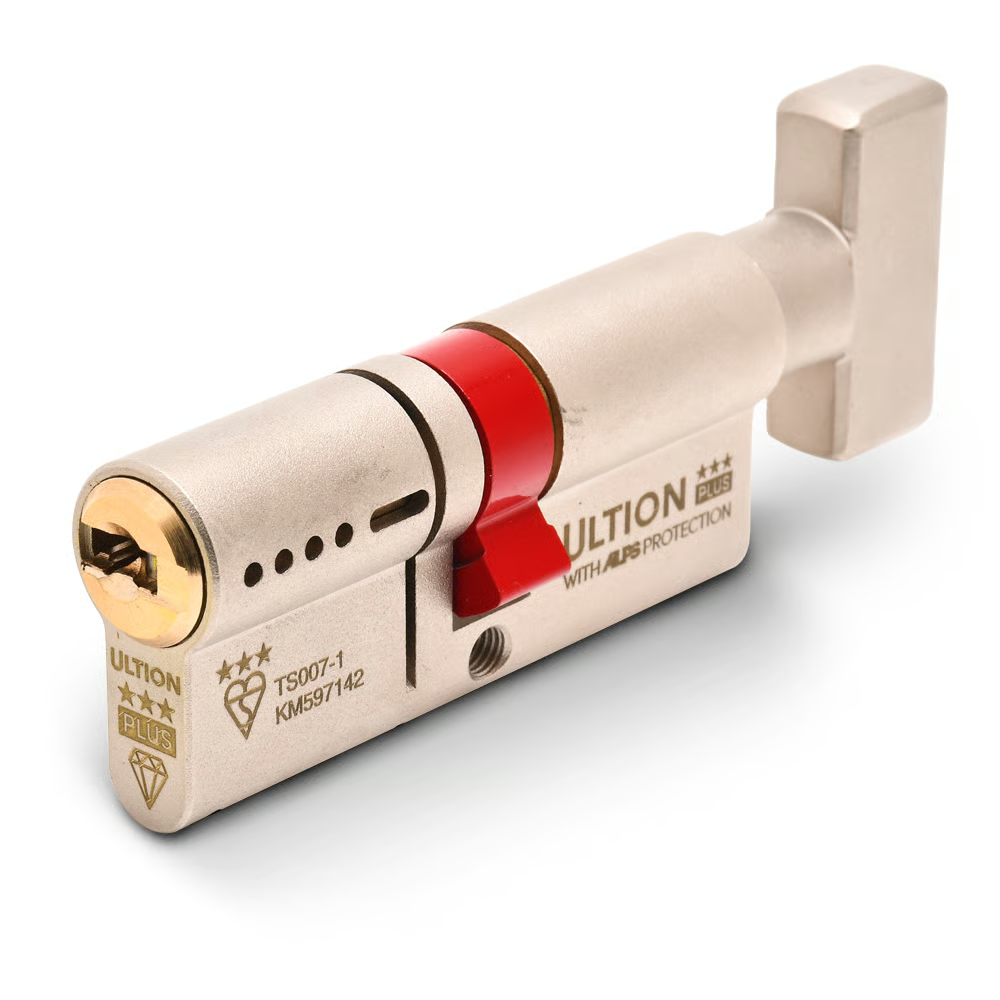
- Ultion Plus TS007 3* Kitemarked Euro Key & Turn Cylinder
- ERAB Espagnolette Window Lock Universal Lock Replacement
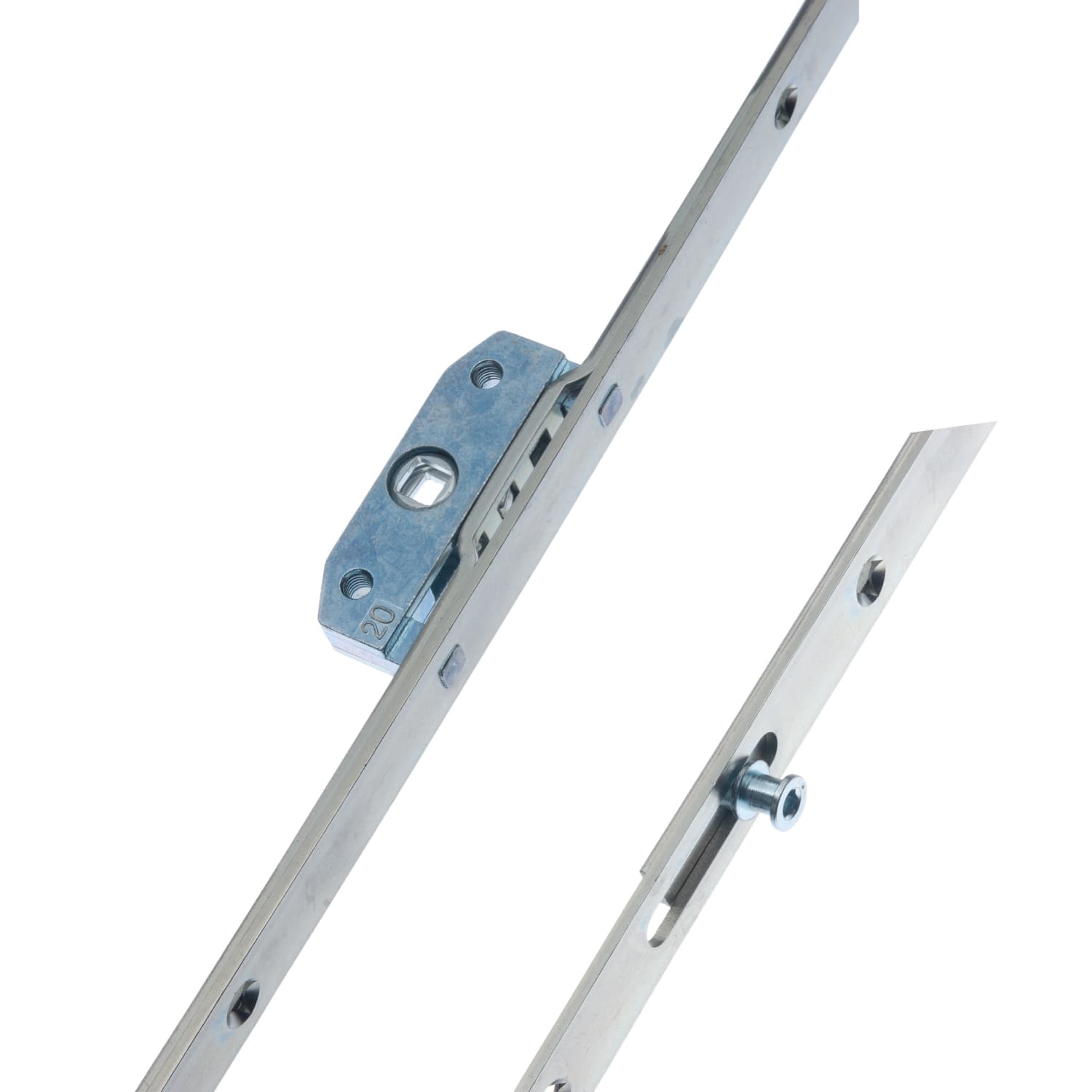
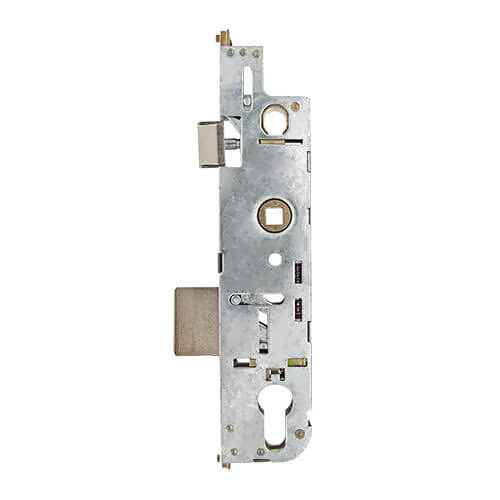
- Multipoint Gearbox GU Old Style
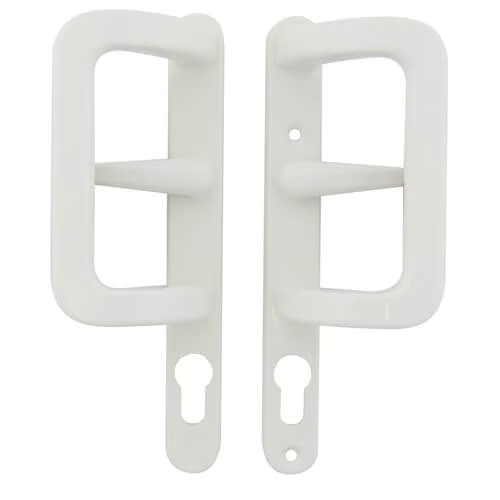
- Patio Door Handle Set - 92PZ White
Conclusion and next steps
Choose a TS007 3-star euro cylinder lock for the best everyday protection on external doors, measure accurately, and fit with correctly sized fixing screws. Tradespeople should confirm insurance and fire-door requirements before specifying; homeowners may fit a high-quality cylinder themselves as long as they follow the measurement and installation steps. If in doubt, contact a qualified locksmith or order a cylinder with professional fitting for peace of mind.
Related articles
What Is a Thumb Turn Cylinder? Convenience vs Security
What Is a Thumb Turn Cylinder? Convenience vs Security What is a thumb turn cylinder? A thumb turn cylinder is a type of euro-profile lock cylinder that ha...
Thumb Turn Cylinder vs Panic Bar: Exit Options Compared
Thumb Turn Cylinder vs Panic Bar: Exit Options Compared examines two very different approaches to door egress and security. The thumb turn cylinder is a co...
Thumb Turn Cylinder Sizes: Finding the Right Length
Thumb Turn Cylinder Sizes: Finding the Right Length Choosing the correct thumb turn cylinder is vital for security, smooth operation and a neat finish on d...