
Euro Cylinder Sizes Explained: Finding the Right Length
Euro Cylinder Sizes Explained: Finding the Right Length is essential reading for homeowners and tradespeople dealing with doors and windows. Selecting the ...
Euro Cylinder Sizes Explained: Finding the Right Length is essential reading for homeowners and tradespeople dealing with doors and windows. Selecting the correct euro cylinder lock length ensures security, smooth operation of multipoint locks, and compliance with insurance requirements. The wrong size can leave a cylinder proud of the door face; that increases the risk of snapping and invalidates some warranties and insurance policies.
What is a euro cylinder and how it works
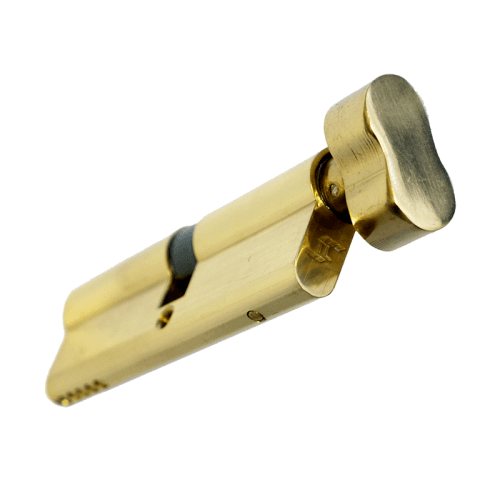
A euro cylinder lock is the common locking component used in uPVC, composite and timber doors, and in some window systems. It fits into the lock case of a multipoint or mortice lock and operates the cam that drives the locking mechanism. Cylinders come as double cylinders (key on both sides), single cylinders with a thumbturn and one-sided variants. The length of the cylinder is given as two numbers in millimetres: the distance from the central cam to each end; for example 35/45 is 35mm on one side and 45mm on the other.
How to measure a euro cylinder lock
Accurate measurement is the first step when replacing a cylinder. For tradespeople and DIYers the procedure is simple and repeatable:
- Close the door. Locate the retaining screw on the door edge; this sits level with the centre of the cylinder.
- Loosen the retaining screw part way so you can remove the cylinder later; it is not necessary to remove it completely at first.
- Insert the key and rotate slightly to align the cam so the cylinder can slide out; you may need to turn the key to find the exact alignment point.
- Withdraw the cylinder and measure from the centre of the cam to each end in millimetres. Record both measurements; these are the two figures used to describe a euro cylinder lock: outside/inside. For thumbturn cylinders the measurement method is the same; the thumbturn side is measured as an end length.
- If you cannot remove the cylinder, measure the thickness of the door and the distance from the handle spindle to the outer face to help estimate the length; however removing the cylinder produces the most accurate result.
Common sizes and typical door thicknesses
Euro cylinders are produced in many combinations. Typical total lengths and common split sizes are:
- 70mm total: usually 35/35; common on slimmer doors or where handles are symmetrical.
- 80mm total: 40/40 or 35/45; one of the most common sizes for uPVC and composite doors.
- 90mm total: 45/45 or 40/50; used for thicker doors or recessed hardware.
- 100mm total and above: 45/55, 50/50; used on very thick doors or where additional external furniture or beading increases distance.
Always choose a length that keeps the cylinder close to flush with the outer face of the door furniture. A cylinder that protrudes significantly is more vulnerable to snapping attacks. Aim for minimal protrusion; ideally none, and certainly less than 3mm.
Choosing the right type and security features
Length is not the only consideration. Consider the following security and functional factors:
- Certification: look for TS007 3-star rated anti-snap cylinders; many insurers require this for composite doors. BS EN 1303 ratings and additional independent test marks also provide assurance.
- Anti-snap, anti-drill, anti-bump and anti-pick features: hardened steel pins, sacrificial sections and reinforced cam areas improve resistance to common attack methods.
- Thumbturn versus double: for emergency escape routes a thumbturn on the inside is preferable; for communal entrances you may need a double cylinder with controlled key management.
- Keying options: consider keyed-alike sets for convenience, or master-key systems for site-wide access control; tradespeople should confirm key control requirements with the client.
Practical trade advice and DIY guidance
Tradespeople will find these pointers useful when fitting or recommending euro cylinder locks:
- Always bring the old cylinder or an accurate measurement to the job. Buying the wrong length wastes time and can leave a property insecure.
- Check the cam position relative to the multipoint lock; if the cam is misaligned the cylinder will not engage properly. Adjust or replace the spindle as necessary.
- When fitting a replacement, tighten the retaining screw evenly; over-tightening can bind the cylinder and prevent smooth rotation.
- For uPVC doors fitted with external trims, measure with the trim in place; some trims add 5 to 10mm and require an asymmetric cylinder to avoid protrusion.
- If a cylinder projects beyond the face of the door by more than a couple of millimetres, fit a longer inner side so the cylinder sits more centrally, or consider anti-snap protection such as reinforced escutcheons or three-star cylinders.
- When specifying for new builds, confirm door thickness and any external beading with the builder; order cylinders with a small allowance for future hardware changes.
For DIY replacement: remove the retaining screw, rotate the key to align the cam, pull the cylinder out and swap for the new one. If the new cylinder does not fit smoothly, check the cam alignment and the retaining screw position before forcing anything.
Special cases: windows and furniture interaction
Some timber and aluminium window systems use euro cylinders for handles and espagnolette locks. The same measurement rules apply, but consider the clearance inside the window frame and the position of the handle spindle. For narrow frames you may need short internal or external lengths to prevent interference with glazing beads or hardware. Always test operation after fitting to confirm there is no binding with the handle or multipoint mechanism.
Recommended Products
Based on this article, you may find these products helpful:
- TL Thumb Turn Euro Cylinder
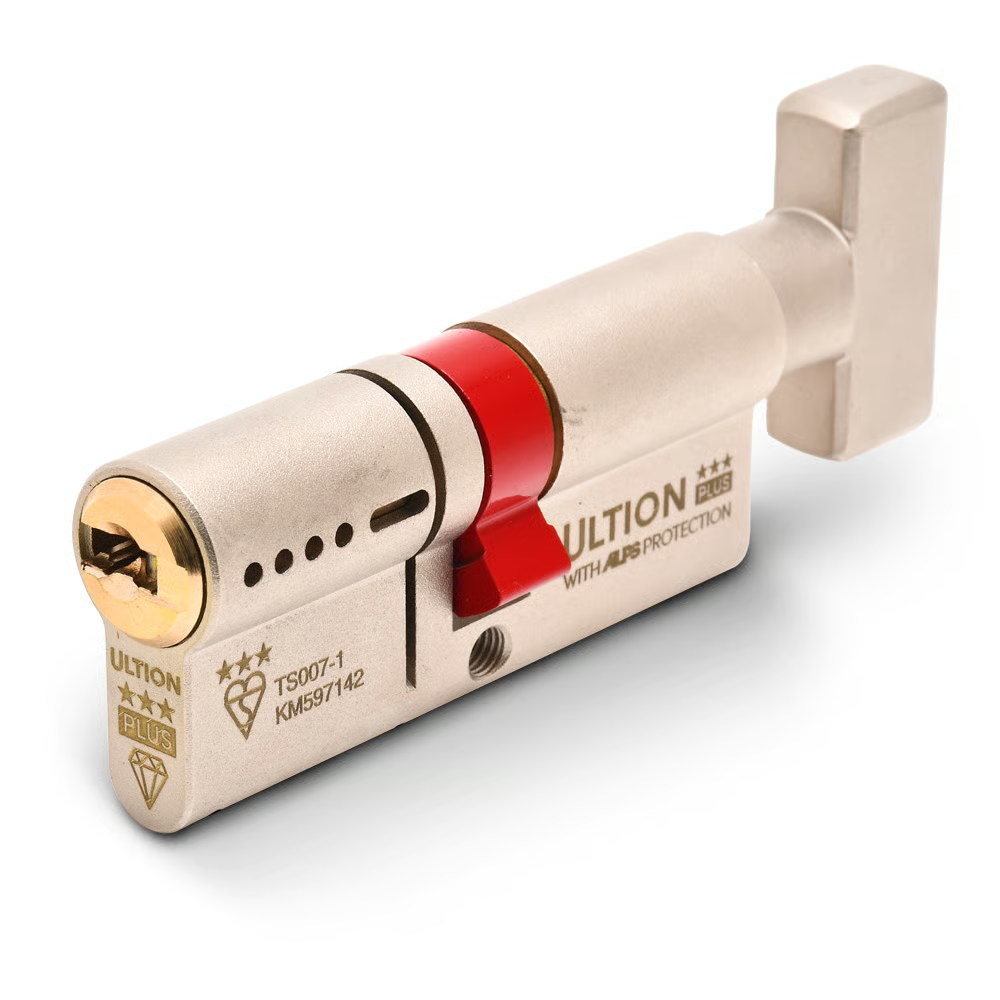
- Ultion Plus TS007 3* Kitemarked Euro Key & Turn Cylinder
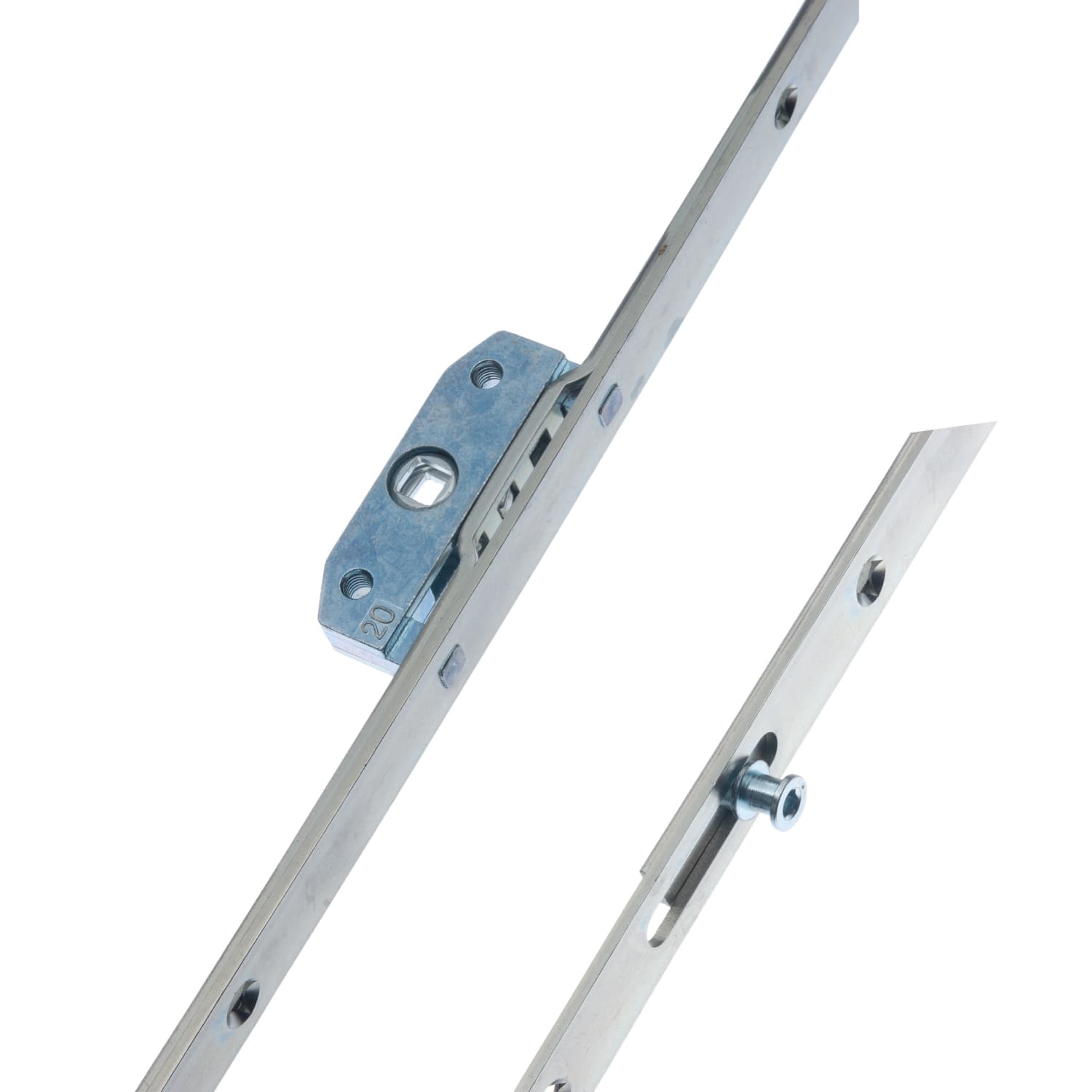
- ERAB Espagnolette Window Lock Universal Lock Replacement
- Avocet Slimline Offset Window Espag
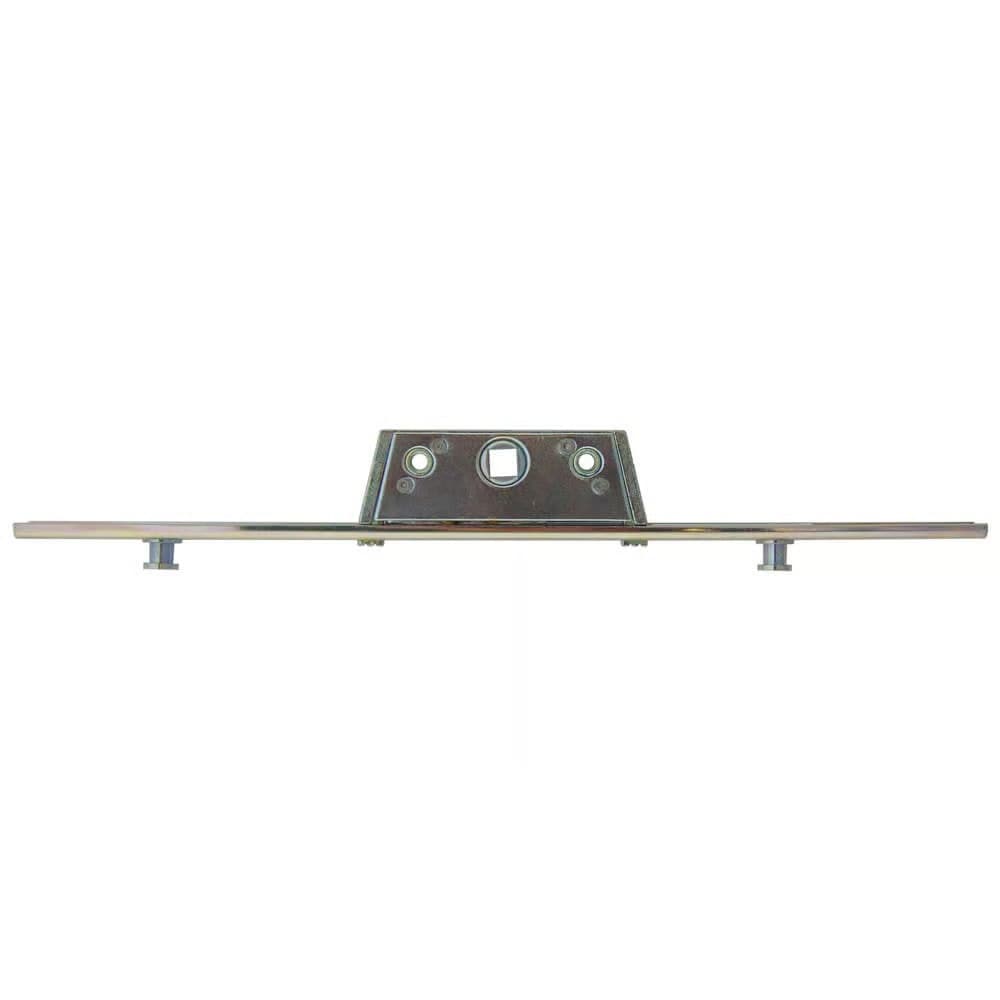
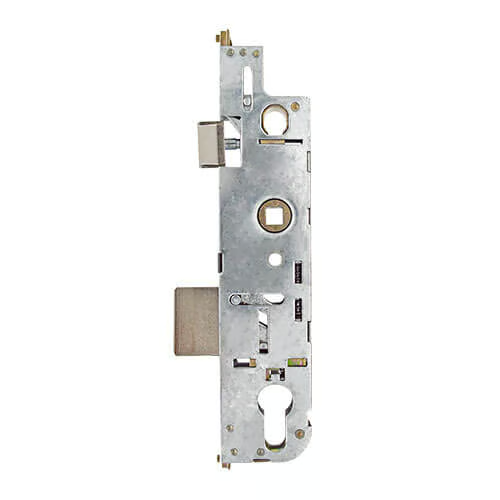
- Multipoint Gearbox GU Old Style
Conclusion: next steps
Correctly measuring and selecting a euro cylinder lock protects a property and ensures reliable operation of doors and windows. For homeowners: check your existing cylinder, note its measurements and security rating, and upgrade to a TS007 3-star cylinder if required by insurance. For trade professionals: carry a selection of common sizes and high-security options, and double-check door furniture before ordering. For more detailed technical information and product options visit our pillar page: /c/locks-security or contact our trade desk for advice on keying, master systems and bulk orders.
Related articles
What Is a Thumb Turn Cylinder? Convenience vs Security
What Is a Thumb Turn Cylinder? Convenience vs Security What is a thumb turn cylinder? A thumb turn cylinder is a type of euro-profile lock cylinder that ha...
Thumb Turn Cylinder vs Panic Bar: Exit Options Compared
Thumb Turn Cylinder vs Panic Bar: Exit Options Compared examines two very different approaches to door egress and security. The thumb turn cylinder is a co...
Thumb Turn Cylinder Sizes: Finding the Right Length
Thumb Turn Cylinder Sizes: Finding the Right Length Choosing the correct thumb turn cylinder is vital for security, smooth operation and a neat finish on d...