
Euro Cylinder Types: Single, Double and Thumb Turn
Euro Cylinder Types: Single, Double and Thumb Turn Choosing the correct euro cylinder lock for a door affects security, convenience and compliance with ins...
Euro Cylinder Types: Single, Double and Thumb Turn
Choosing the correct euro cylinder lock for a door affects security, convenience and compliance with insurance requirements. Whether you are a homeowner fitting a replacement cylinder in a uPVC front door or a trade professional specifying locks for a new build, understanding the differences between single, double and thumb turn euro cylinders helps you make the right decision for each application.
What is a euro cylinder lock?
A euro cylinder lock is a common locking cylinder used in many UK doors: uPVC, composite and some timber doors. The cylinder sits in the lock case or multi-point lock and operates the cam that drives the locking mechanism when a key or thumb turn is used. They come in a variety of sizes, security ratings and keying options; correct selection and installation are essential for good security and insurance compliance.
Types explained: single, double and thumb turn
Each cylinder type suits different locations and user needs:
- Single euro cylinder: key operates the cylinder from one side only; the other side is blank. Common in internal doors where no external key is required, such as cupboards or certain internal gates.
- Double euro cylinder: keyed access on both sides. Both faces accept a key; turn the key to operate the cam. Often used where access is required from either side of the door and a thumb turn is not desired.
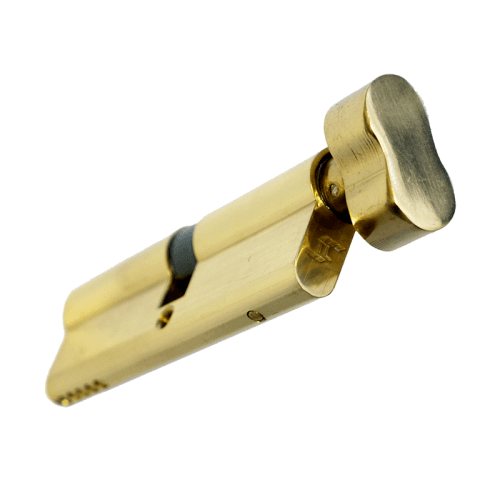
- Thumb turn euro cylinder: key on the outside and a thumb turn on the inside for quick egress. Favoured for residential front and back doors; it permits fast escape without a key in an emergency and reduces the risk posed by a locked inner door in a fire.
Security considerations and common attacks
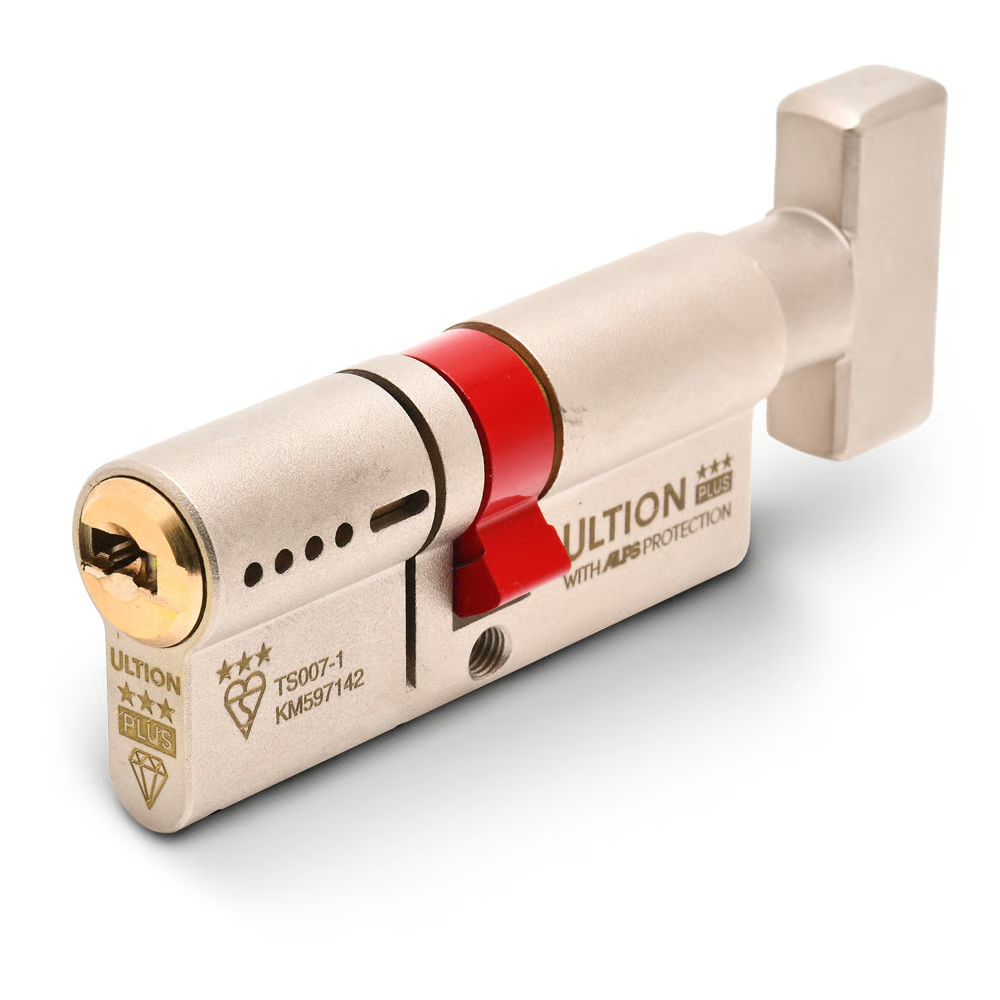
Euro cylinders can be targeted by snap, bump, pick and drill attacks. For external doors choose cylinders with features that mitigate these risks: anti-snap protection, anti-bump pins, anti-pick profiles and hardened cores or plates against drilling. TS007 3-star rated cylinders provide the highest level of insurance-recognised protection for many UK insurers; lower rated cylinders may be acceptable in different contexts but always check insurer requirements.
Practical trade advice: specifying the right cylinder
- Match the cylinder to door use: thumb turn cylinders for domestic external doors; double cylinders only where a thumb turn is not suitable and escape routes have separate protection.
- Measure correctly: measure overall length and split either side of the cam; typical sizes include 35/35, 40/40, 45/55 and asymmetric sizes. Order the exact split length to avoid protrusion.
- Avoid protruding cylinders: a cylinder that protrudes beyond the face of the door or furniture is vulnerable to snapping; keep protrusion to a minimum and use anti-snap designs.
- Consider keying systems: keyed alike sets simplify maintenance on multi-door properties; master key systems provide hierarchy for larger installations. Specify key control and key registration where required.
- Select finishes that match door furniture and that offer corrosion resistance for external use.
DIY replacement and fitting guidance
Replacing a euro cylinder is a straightforward job for most competent DIYers with basic tools. Typical steps:
- Remove the handle or furniture to access the cylinder retaining screw in the door edge; this is often a 3mm or 4mm screw depending on hardware.
- Fully insert the key and turn slightly to align the cam; this makes it possible to slide the cylinder out once the retaining screw is removed. If the cylinder will not turn, try gentle tension on the key while using a second person to press the latch.
- Unscrew the retaining screw, withdraw the cylinder and replace with the new unit of the correct length. Reinsert the retaining screw and test operation: turn the key and the thumb turn (if fitted) several times to check smooth operation of the multi-point lock.
- Do not over-tighten the retaining screw; it should hold the cylinder but not distort it. Refit door furniture and test the handles and lock several times.
Practical tips: if the cylinder is anti-snap with a sacrificial section, ensure the sacrificial area aligns correctly. For uPVC doors with multi-point locks, confirm the cam position and that the new cylinder engages the lock case correctly. If you are unsure about fire escape routes, avoid replacing a thumb turn with a double cylinder without assessing consequences.
Common pitfalls and compliance
- Buying the wrong length: an overlong cylinder will stick out and fail to meet insurance conditions; undersized cylinders will not engage the lock correctly.
- Replacing a thumb turn with a double cylinder without considering emergency escape: a double cylinder can prevent egress without a key and may contravene building regulations or create a safety hazard.
- Ignoring insurance requirements: many insurers specify TS007 3-star or Sold Secure-rated cylinders for external doors; keep receipts and certification where applicable.
- Not using cylinder guards or reinforced escutcheons: even anti-snap cylinders benefit from reinforced hardware to resist brute force attacks.
When to call a professional
Call a locksmith or trade supplier if:
- you cannot remove the old cylinder or the cam is seized;
- the door lock or multi-point mechanism is damaged;
- you need a master key system or restricted keying with registration;
- you want insurance-grade upgrades across multiple doors for consistency and certification.
Recommended Products
Based on this article, you may find these products helpful:
- TL Thumb Turn Euro Cylinder
- Ultion Plus TS007 3* Kitemarked Euro Key & Turn Cylinder
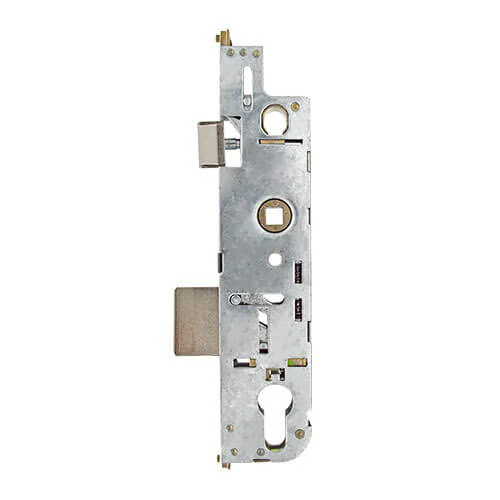
- Multipoint Gearbox GU Old Style
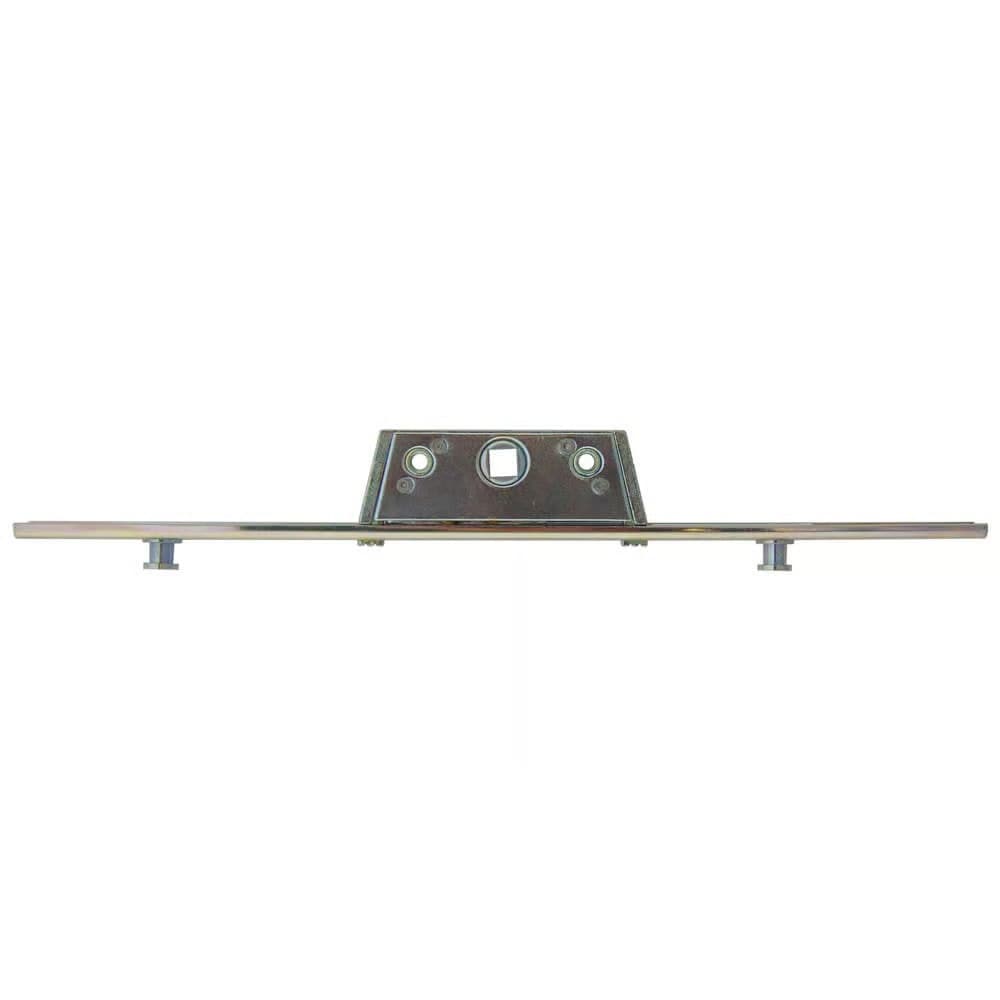
- In-Line Window Mechanism
- Offset Window Mechanism
Conclusion and next steps
Choosing between single, double and thumb turn euro cylinders depends on door location, escape requirements and security expectations. For most residential external doors a thumb turn anti-snap cylinder with a TS007 3-star rating offers a good balance of safety and convenience. Measure carefully, confirm keying requirements and use appropriate escutcheons to reduce vulnerability.
Next steps: measure the cylinder split and check your insurance specification; for technical help or supply, consult our pillar page at /c/locks-security or contact Window Hardware Store for trade pricing and product recommendations.

Related articles
What Is a Thumb Turn Cylinder? Convenience vs Security
What Is a Thumb Turn Cylinder? Convenience vs Security What is a thumb turn cylinder? A thumb turn cylinder is a type of euro-profile lock cylinder that ha...
Thumb Turn Cylinder vs Panic Bar: Exit Options Compared
Thumb Turn Cylinder vs Panic Bar: Exit Options Compared examines two very different approaches to door egress and security. The thumb turn cylinder is a co...
Thumb Turn Cylinder Sizes: Finding the Right Length
Thumb Turn Cylinder Sizes: Finding the Right Length Choosing the correct thumb turn cylinder is vital for security, smooth operation and a neat finish on d...