Flag Hinge Sizes Explained: Finding the Right Replacement
Flag Hinge Sizes Explained: Finding the Right Replacement. Whether you are a trade professional replacing hardware on an older timber casement or a homeown...
Flag Hinge Sizes Explained: Finding the Right Replacement. Whether you are a trade professional replacing hardware on an older timber casement or a homeowner repairing a garden gate, selecting the correct flag hinge is essential for safe, smooth operation and long-term reliability. This post explains the measurements, materials and practical steps to get the right replacement flag hinge for windows, doors and gates.
What is a flag hinge and where it is used
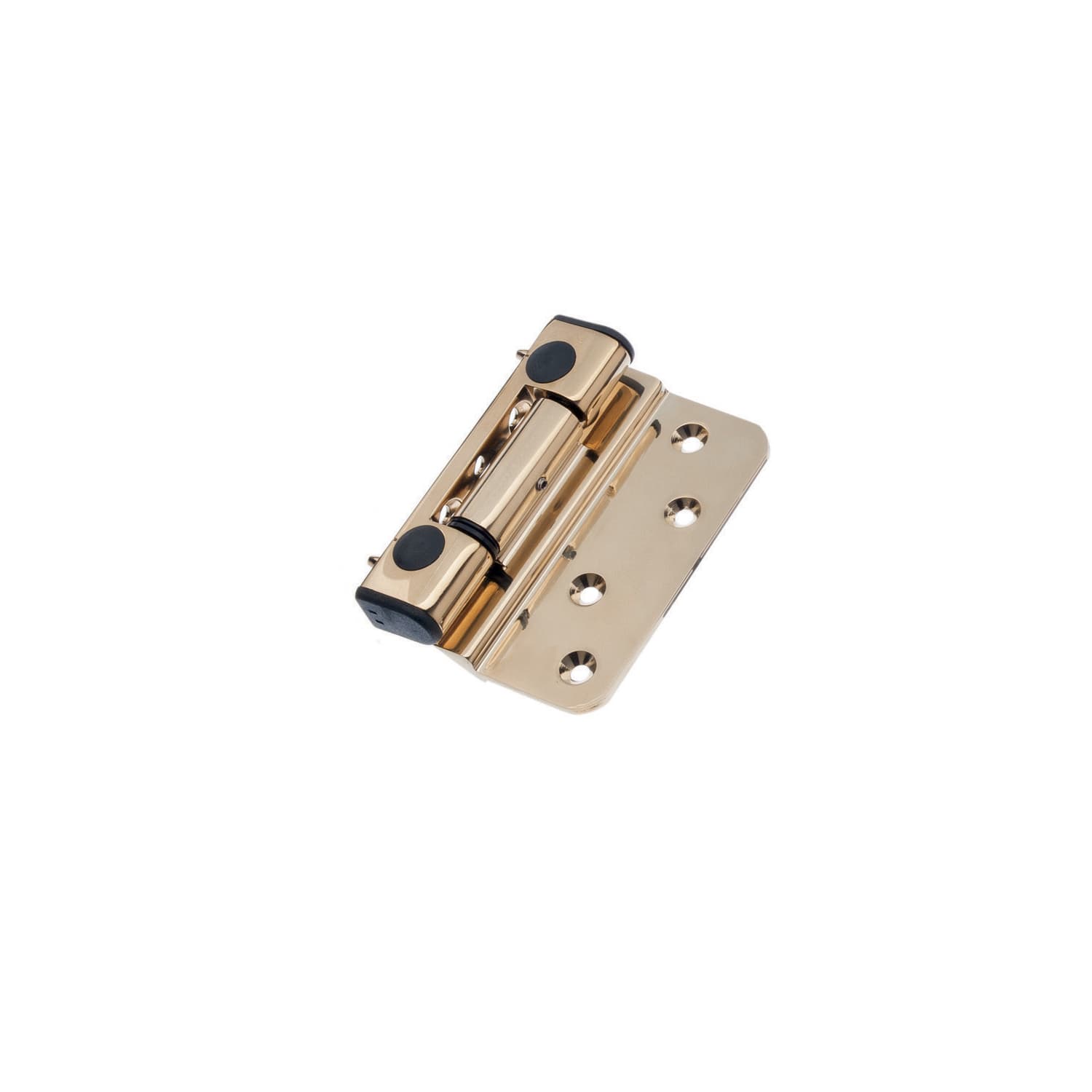
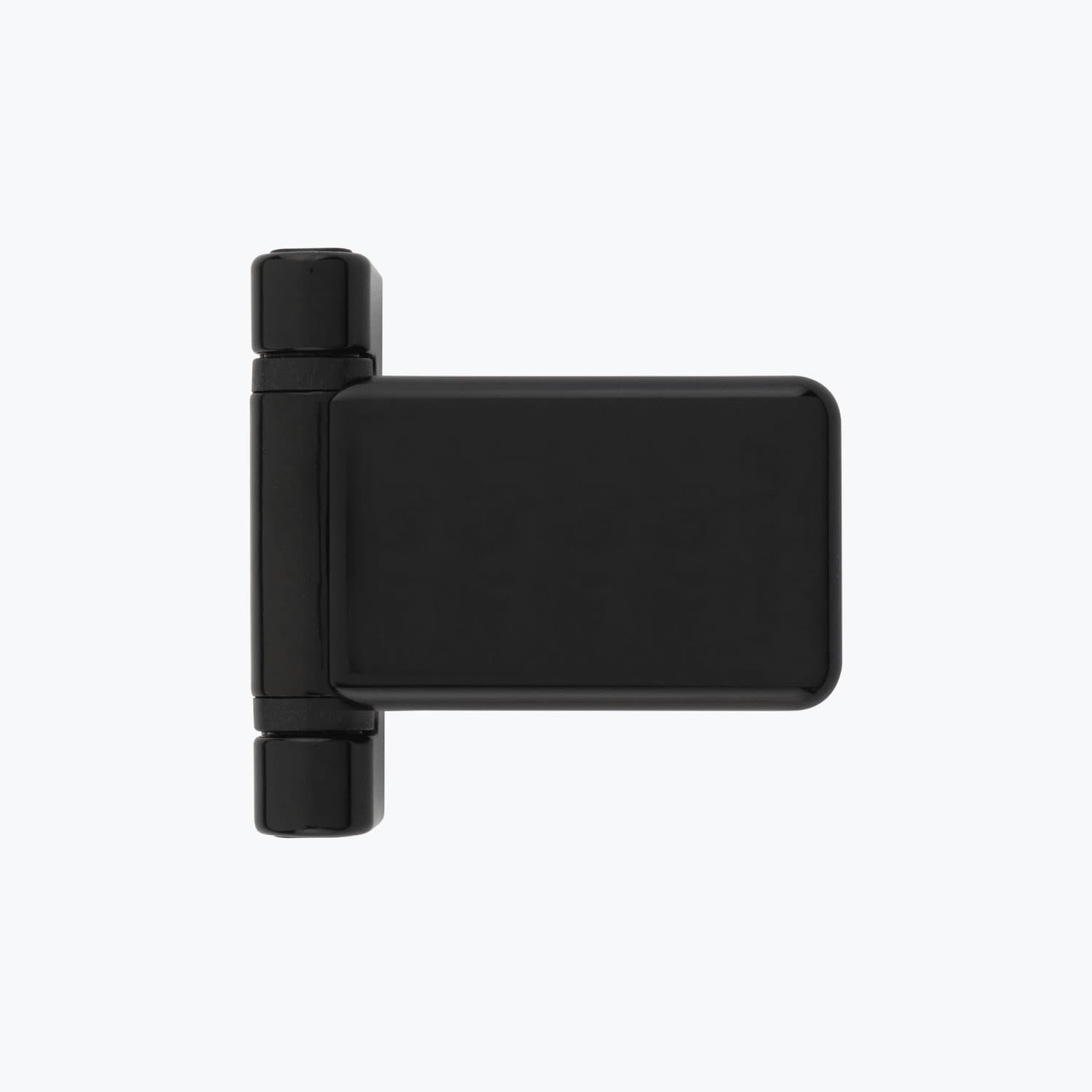
A flag hinge consists of a fixed pintle or spindle and a flat plate or flag that attaches to the moving leaf. It is commonly used on side-hung casement windows, small utility doors, and gates where the hinge needs to project or be removable so the leaf can be lifted off the pintle. Flag hinges are available in a range of profiles and sizes to suit light-weight timber sashes through to heavy gates.
Key dimensions to check before buying
Getting the right flag hinge relies on measuring several critical dimensions on the existing hardware or the opening. Note these measurements accurately and record the unit of measure; many manufacturers supply metric and imperial options.
- Overall length of the flag plate: the full height from top to bottom of the flat plate.
- Plate width: the distance across the plate where the screw holes sit.
- Pintle diameter: the thickness of the pivot pin; this affects bearing fit and strength.
- Projection or throw: the horizontal distance from the face of the frame to the centre of the pintle; this determines how far the sash or gate sits away from the frame.
- Screw hole centres and pattern: measure the spacing between mounting holes; matching this can simplify replacement and avoid having to repair old screw slots.
- Pintle length and mounting type: whether the pintle is fixed into the frame, surface mounted, or rises from a base plate.
- Handing: left-hand or right-hand orientation, which tells you which way the flag sits relative to the pintle.
Typical size ranges and selection guidance
Manufacturers offer flag hinges in a wide range of sizes. Rather than relying on a single standard, match the hinge to the weight and size of the leaf and the intended use:
- Small sashes and cupboard doors: flag plate lengths from around 60mm to 90mm; suitable for light timber or thin metal.
- Standard casement windows and utility doors: plate lengths 90mm to 150mm; common for domestic windows and lightweight external doors.
- Large doors, gates and heavy timber: plate lengths 150mm to 250mm and above; choose heavier pintles and thicker plates for load-bearing strength.
If unsure, opt for a hinge with a higher load rating and larger pintle; an over-sized hinge is usually better than an under-rated one, provided the projection and screw positions can be accommodated.
Material, finish and corrosion considerations
Select materials and finishes appropriate to the location. For internal, dry conditions, zinc-plated steel or galvanised fittings may suffice. For external use, especially in coastal or high-humidity areas, choose stainless steel grade 304 or 316. Grade 316 offers superior corrosion resistance for seaside properties. Powder-coated or paintable hinges are useful if you need to match colours.
Trade tips for matching replacement flag hinges
- Check technical data: always consult the manufacturer’s data sheet for load capacity and drilling templates.
- Match the carriage or pintle fit: pintle diameter and bearing type must match for correct movement and minimal wear.
- Verify screw type: use countersunk or round-head screws as the hinge was originally designed; replace corroded screws with stainless equivalents.
- Account for packers: if the new hinge has a different projection, you can use packers behind the plate to maintain sash alignment; use durable, non-compressing materials such as nylon or thin metal shims.
- Consider ball-bearing hinges for heavy or high-use doors; they reduce friction and extend service life.
- Comply with standards: for commercial installations check relevant standards and match hinge performance to the door weight and duty cycle.
DIY replacement: step-by-step practical guidance
Small repairs are achievable for competent DIYers. Follow these steps and always work safely, supporting heavy leaves with a second person or temporary props.
- Support the sash or door: use a prop or have an assistant hold the leaf to prevent sudden drops.
- Remove old fixings: take off screws and gently lift the flag off the pintle; if corroded, apply penetrating oil and give time to work.
- Measure accurately: record the dimensions listed earlier and photograph the existing hinge for reference.
- Buy the correct replacement: match handing, pintle diameter and plate pattern where possible.
- Pre-drill pilot holes: use the recommended pilot diameter for the screw size and timber density to avoid splitting; for hardwood use slightly larger pilots.
- Fit hinge and test operation: loosely fit screws first, check alignment and operation, then tighten progressively.
- Adjust as required: use thin packers or adjust the pintle height to level the leaf; grease the pintle with light machine oil for smooth movement.
- Seal external fixings: apply a small bead of exterior-grade sealant around screw heads to prevent water ingress on external frames.
When to call a professional
Contact a professional if the frame is rotten, the existing fixing point has been stripped out, or the door or window leaf is heavy and awkward. A trade installer can repair or replace rotten timber, plug out damaged screw holes, and ensure hinges are correctly rated and fitted for safety and longevity.
Further reading and resources
For broader hinge selection and door hardware topics, see our pillar page: /guides/door-hinges. Manufacturer technical sheets and drilling templates are invaluable when matching old hardware to new replacements.
Recommended Products
Based on this article, you may find these products helpful:
- Flag Door Hinge - Stainless Steel
- Adjustable Flag Hinge - 100mm
- Fab&Fix Classic Flag Hinge
- ERA Composite Door Flag Hinge
- Top-Hung Window Hinge - Standard
Conclusion and next steps
Choosing the right flag hinge comes down to accurate measurement, appropriate material selection and correct installation. Measure plate length, projection, pintle diameter and screw hole centres before ordering. For DIY replacements support the leaf, pre-drill pilot holes and use corrosion-resistant screws for external fittings. If the frame is compromised or the leaf is heavy, bring in a tradesperson to ensure a safe, lasting repair.
Next steps: take photographs and detailed measurements of the existing hinge, check material and handing, then compare with manufacturer data sheets before purchasing. If you need replacement parts or expert advice, contact a reputable supplier or installer who can specify the correct flag hinge for your application.