
Friction Hinge Lengths: 8", 10", 12" - Which Do You Need?
Friction Hinge Lengths: 8", 10", 12" - Which Do You Need? Choosing the correct friction hinge is one of the simplest changes that will improve the operatio...
Friction Hinge Lengths: 8", 10", 12" - Which Do You Need? Choosing the correct friction hinge is one of the simplest changes that will improve the operation and longevity of a casement window; it also affects safety and weather performance. Whether you are a UK installer, a glazing contractor or a confident DIY homeowner, understanding how hinge length interacts with sash size, weight and fixings will help you get it right first time.
What is a friction hinge and where it is used
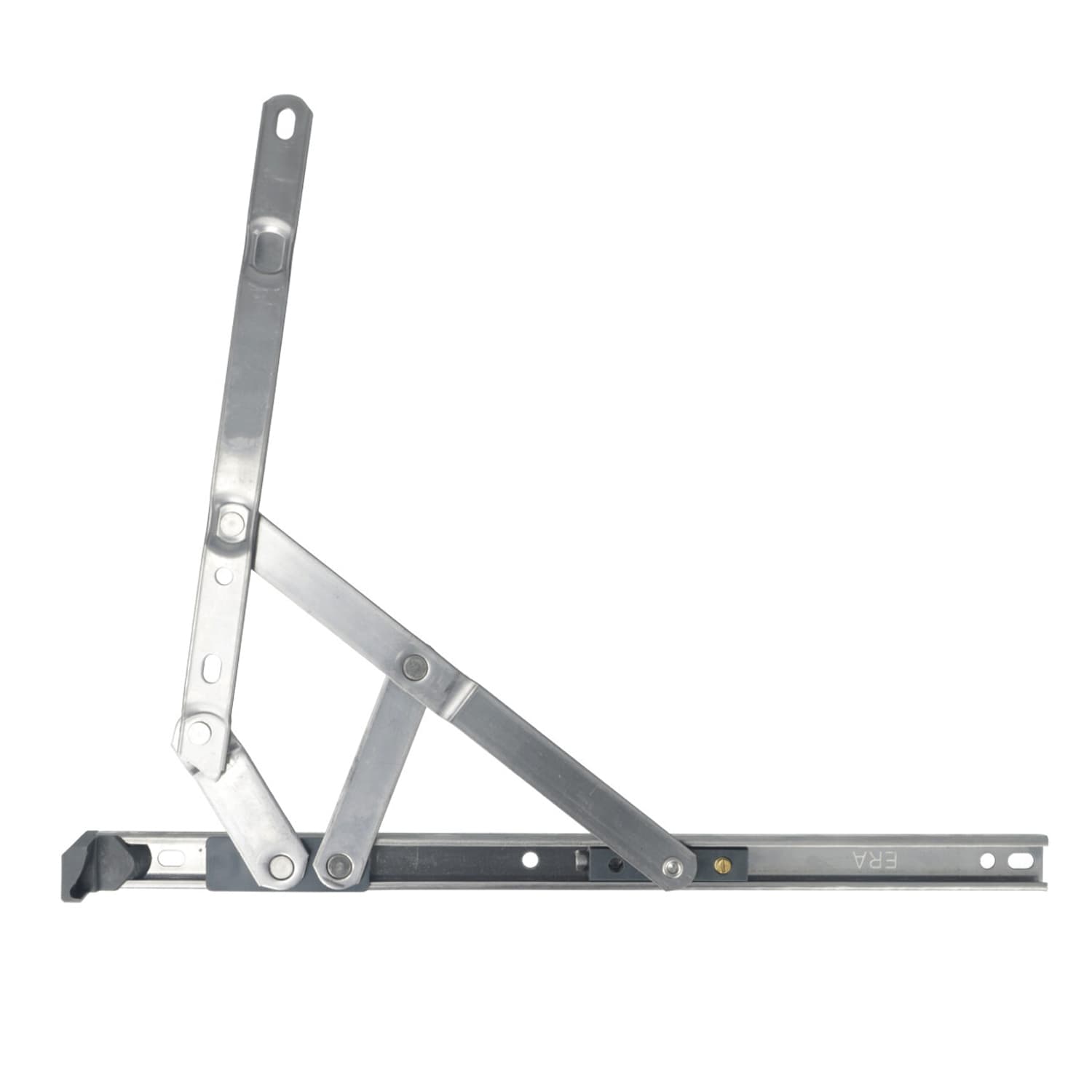
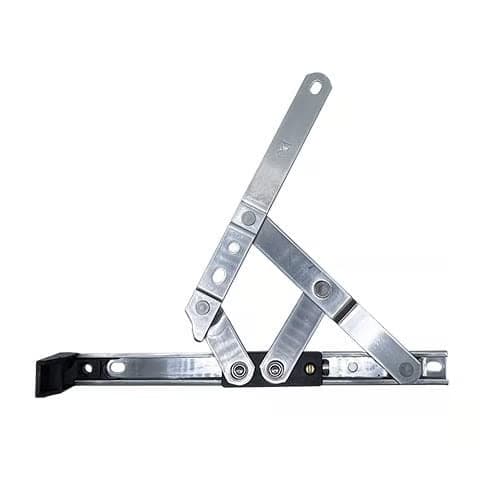
A friction hinge is a type of stay used on casement and top-hung windows that allows the sash to open and hold its position without external stays or catches. The friction mechanism provides resistance to movement; it can be adjustable so the window can be set to remain open at different angles. In the UK these hinges are commonly found on aluminium, PVCu and timber casements and are often called friction stays on trade documents.
How hinge length affects performance
Hinge length directly influences three practical aspects of window performance: leverage, load distribution and the maximum safe sash width. Longer hinges provide greater leverage which improves support for wider and heavier sashes; shorter hinges are suitable for small or lightweight sashes and allow more compact hardware and cleaner sightlines. Typical trade sizes and their metric equivalents are:
- 8" = 200mm: common for small sashes and secondary windows
- 10" = 254mm: a mid-range option for standard casements
- 12" = 305mm: used for larger sashes and higher load requirements
These are not absolute rules; manufacturers publish load and size charts for each hinge model. Always check the product data sheet rather than relying on length alone.
Choosing the right length: trade rules of thumb
For trade professionals the choice of length is part measurement, part experience. Useful practical rules are:
- Measure the sash width and height and calculate approximate sash weight based on material and glass thickness.
- Use 200mm (8") hinges for small sashes under roughly 600–700mm wide; they are common on ventilation or bathroom windows.
- Use 254mm (10") hinges for most standard domestic casements; they suit the majority of PVCu and aluminium windows up to medium widths.
- Use 305mm (12") hinges for large or heavy sashes, timber windows or situations where you expect a lot of wind load.
- For wide sashes consider both length and number of hinges: two 305mm hinges may be fine for mid-weight units, but heavier or taller sashes should have three hinges or specialist heavy-duty hinges.
These guidelines work well on site but always cross-check with manufacturer load ratings and the FENSA or Certass requirements when fitting replacement or new windows.
DIY guidance: measuring and fitting
If you are replacing hinges yourself, the following steps will keep the job straightforward and safe:
- Measure the existing hinge length from the end of the sash arm to the end of the frame arm; confirm the metric size in millimetres.
- Check the hole and screw pattern: many hinges share common fixing centres but some brands differ; mismatched holes may need small packing or minor routing.
- Work out sash weight: for a quick estimate multiply the area (m2) by the material density plus glass weight; or consult a trade table. This helps select hinge strength and number.
- Fit into reinforced profiles where possible: for PVCu installations ensure screws bite into the metal reinforcement rather than just the plastic.
- Use the correct screw length and corrosion-resistant fixings; stainless steel is advised in coastal locations or where condensation is likely.
- Adjust the friction setting using the manufacturer’s adjustment screw: increase resistance if the sash drifts closed; reduce if it is hard to open. Make adjustments incrementally and test operation.
For security and weather performance ensure hinges are aligned so the sash compresses evenly into the sealing beads when closed; misalignment causes premature brush or gasket wear.
Installation considerations: durability and compliance
Several trade-level considerations determine whether a given hinge length is acceptable for an installation:
- Material compatibility: timber windows may require longer hinges or extra fixings compared with aluminium because the timber moves with humidity changes.
- Number of hinges: two hinges are standard for many windows; add a third for tall or heavy sashes to reduce stress on individual fixings.
- Weather and wind loads: exposed sites require more robust solutions; specify heavy-duty friction hinges or larger sizes if the site experiences strong winds.
- Safety for cleaning and ventilation: consider restrictors or stay limits if a wide opening poses a fall risk; friction hinges can be combined with restrictors designed for the particular length.
- Regulatory compliance: where windows are part of an escape route or fire requirement consult relevant building regulations and use certified hardware when required.
Practical examples
Example 1: A small bathroom PVCu casement 500mm wide and 700mm high will be well served by a pair of 200mm friction hinges with standard friction settings; two hinges only, fitted to the reinforcement.
Example 2: A painted timber casement 1200mm wide by 1400mm high with double glazing should use 305mm hinges, usually three per sash, with stainless fixings and careful sealing to allow for timber movement.
Further technical references and purchasing
If you need detailed load charts and product comparisons consult manufacturers’ technical sheets. For broader reading on hinge types and profiles see our pillar page at /guides/window-hinges where we cover types, fittings and compatibility.
Conclusion: Choose hinge length by sash size, weight and site conditions; use manufacturer load data and consider number of hinges rather than length alone. For DIY fitters measure carefully, use appropriate fixings and adjust friction incrementally; for trade installers check reinforcement bite, corrosion resistance and compliance for the project.
Next steps: measure your sash, note current hinge fixings and material, then consult product data sheets or contact our trade team for a matching hinge recommendation. If you are replacing several windows consider ordering a sample hinge to test fit before committing to a full batch.
Recommended Products
Based on this article, you may find these products helpful:
Products mentioned in this article
Related articles
Period Window Stays: Heritage Options for Older Properties
Period Window Stays: Heritage Options for Older Properties Older properties often require hardware that respects traditional appearance while providing mod...
Replacing Old Window Stays: Finding Matching Hardware
Replacing an old window stay can restore functionality, security and appearance to a worn casement. Whether you are a joiner, a glazing contractor or a dil...
How to Replace Friction Hinges on uPVC Windows
How to Replace Friction Hinges on uPVC Windows Overview Friction hinges are the most common operating mechanism on uPVC casement windows in the UK. They al...