
Friction Hinge Problems: Why Your Window Won't Stay Open
Friction Hinge Problems: Why Your Window Won't Stay Open When a casement or top-hung window will not remain open the usual culprit is the friction hinge. W...
Friction Hinge Problems: Why Your Window Won't Stay Open
When a casement or top-hung window will not remain open the usual culprit is the friction hinge. Whether you are a homeowner tackling a DIY repair or a trade professional servicing multiple properties, understanding how friction hinges work and why they fail will save time and reduce returns.
How a friction hinge works
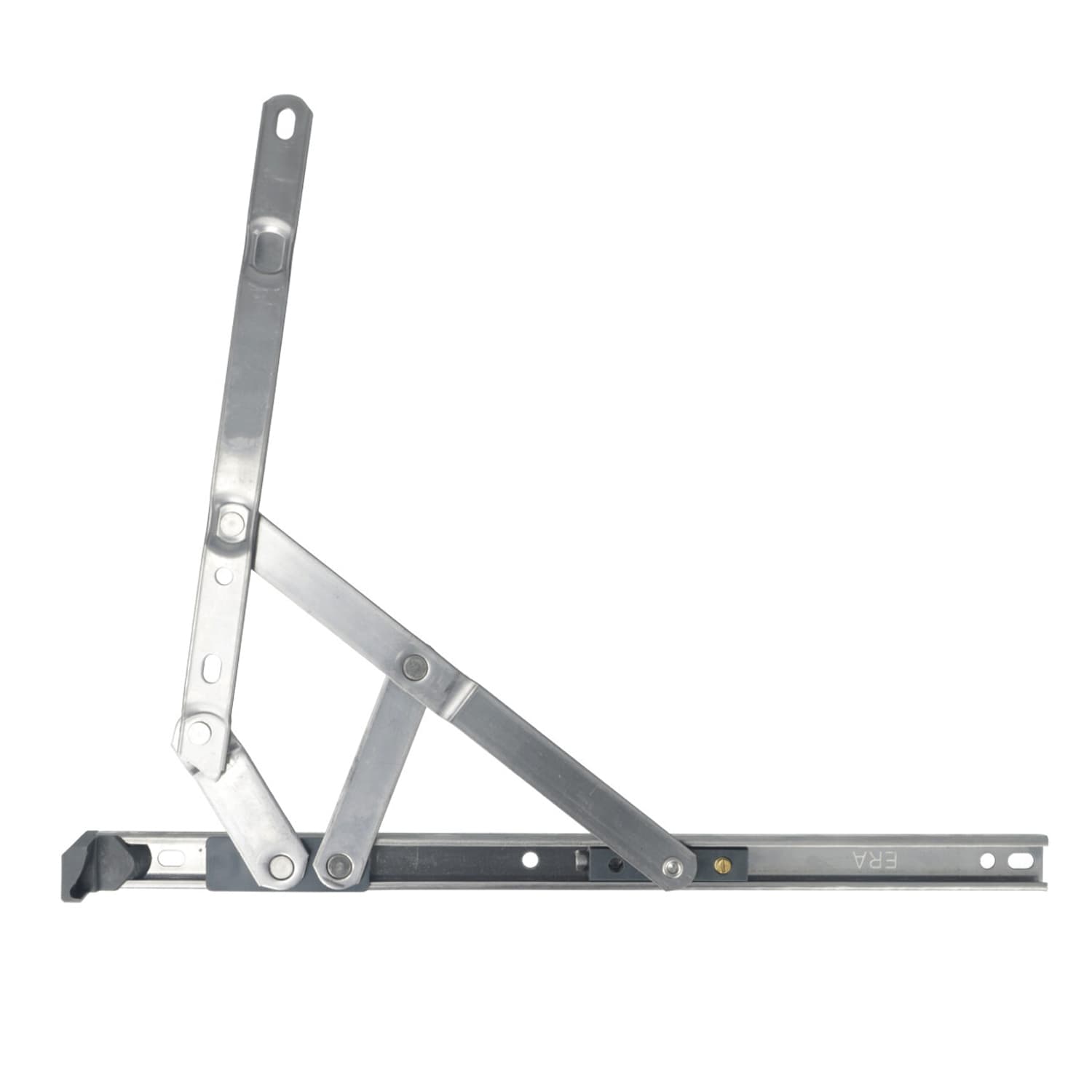
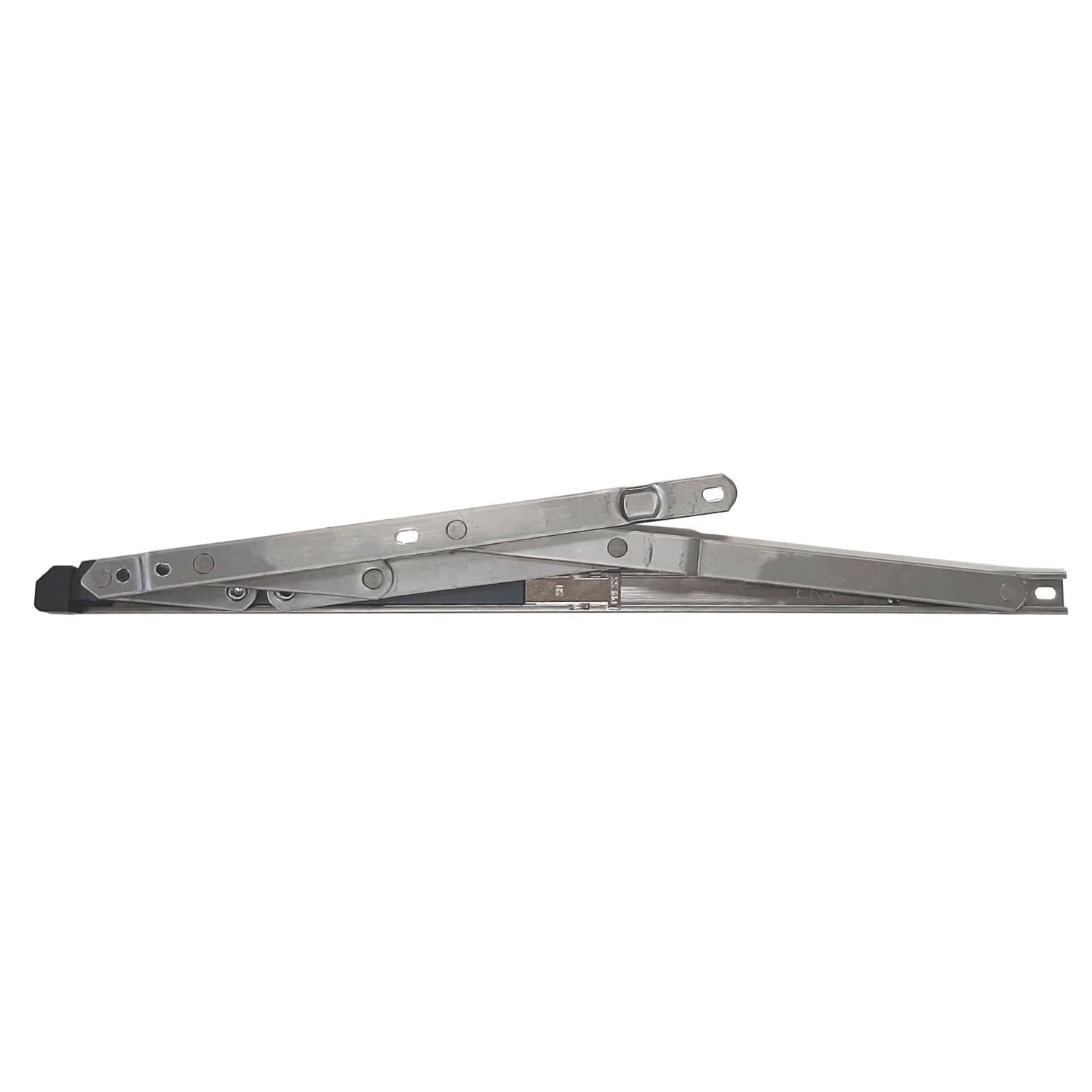
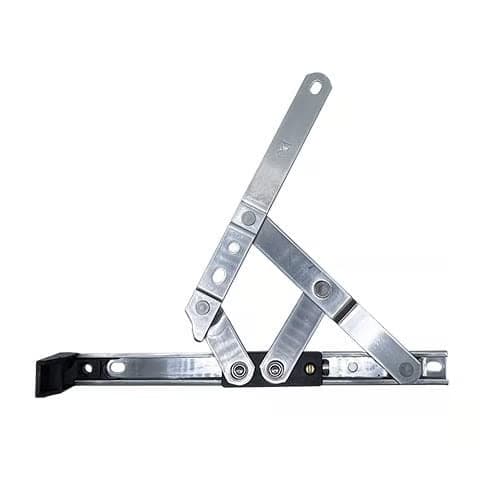
A friction hinge creates resistance in the hinge arms so the sash holds in position at any opening angle. Resistance is usually provided by a cam, adjustable screw or coil spring mechanism inside the hinge arm. Different hinges are rated for particular sash weights and sizes; fit the wrong hinge and the sash will creep closed or slam shut. Friction stays are widely used on aluminium, timber and PVC windows and are also called friction hinges in many product ranges.
Common symptoms and what they mean
- Window slowly drifts closed: friction is too low for the sash weight, or the adjustment has moved.
- Window falls or drops when released: hinge components are broken or severely worn.
- Window sticks in one position then moves suddenly: dirt, corrosion or warped sash is binding the arms.
- Difficulty opening or closing: seized pivot points, lack of lubrication, or sash swelling due to moisture.
- Irregular movement or creaking: metal fatigue, incorrect lubrication or foreign debris in the mechanism.
Quick diagnostic checklist
Before ordering parts or replacing hinges, run these checks. They help isolate whether the problem is the hinge, the sash, or the frame.
- Inspect visible fixings: loose screws or missing mounting screws reduce hinge effectiveness.
- Check sash weight and size against hinge rating: there is normally a maximum sash weight stamped on the hinge or listed in the datasheet; heavier sashes need heavier-duty hinges.
- Operate the window while watching hinge movement: note any binding points or metal rubbing.
- Look for corrosion, bent arms or broken rivets; modern hinges can have plastic cams that wear and fail.
- Try adjusting the friction screw if accessible: does the window behaviour change? If so, the hinge is adjustable and may just need re-setting.
DIY fixes you can do now
These repairs can be performed with a basic toolkit. Always support the sash while you work and use an assistant for larger windows.
- Clean and inspect: remove dust and old grease from pivot areas using a cloth and a mild solvent such as isopropyl alcohol or a specialist window cleaner; avoid harsh acids that damage finishes.
- Lubricate correctly: apply a light machine oil or silicone spray sparingly to pivot pins and sliding faces; avoid heavy grease that traps dirt and attracts grit. For stainless-steel parts use a stainless-specific lubricant to prevent staining and corrosion.
- Tighten mountings: replace any missing or loose screws and use the correct length and thread to avoid crushing the substrate; for timber, consider using a longer screw or a stainless-steel screw if the original is corroded.
- Adjust friction: many hinges have an accessible adjustment screw or grub screw. Turn clockwise to increase friction and anticlockwise to reduce it; small increments matter, so test the sash after each turn. Use the correct hex key or driver to avoid rounding the fastener.
- Address sash swelling: if a timber sash is binding because of moisture, plan a schedule of sanding and refinishing; short-term, adjust the hinge positions to relieve the rub but allow for future movement.
When to replace the friction hinge
Replacement is the best option if the hinge is bent, the internal cam or spring has failed, rivets are sheared, or multiple adjustments do not restore function. For trade professionals, fit hinges with the correct load rating and corrosion resistance for the environment: e.g. A4 stainless steel hinges for coastal locations. For homeowners, matching the hinge type, length and screw centres is essential to ensure fit and performance. If the sash is heavy or the window is large, upgrade to a higher-rated hinge or consider adding an extra hinge per manufacturer guidelines.
Tools, parts and materials you will need
- Screwdrivers and hex/allen keys to match hinge fasteners
- Light machine oil or specialist silicone window lubricant
- Cleaning cloths and isopropyl alcohol
- Replacement friction hinge(s) matching length, screw centres and load rating
- Stainless screws if replacing corroded fixings
- Support props or a second person for heavier sashes
Trade tips for a reliable repair
- Always check the manufacturer datasheet or the window fabricator details for hinge choice; fit per-spec hinges rather than improvising.
- Document sash weights and dimensions on service records so the correct hinge is selected on future visits.
- When replacing multiple hinges, fit the same batch and type to avoid uneven wear and differential friction.
- Use anti-seize or threadlocker only where specified; threadlocker can prevent future removal, which is undesirable for adjustable friction screws.
- For retrofit situations where the screw centres do not match, consider a conversion plate or full hinge set replacement rather than forcing incompatible fixings.
Safety and common pitfalls
Never rely on a single failing hinge to hold a heavy sash; temporary props should be used while making adjustments or replacing hardware. Avoid over-tightening the friction screw; excessive torque can strip threads or break the cam. If corrosion is advanced, cleaning and lubrication will provide only a short-term fix; a full replacement with appropriate corrosion-resistant material is safer and more cost-effective in the long run.
Further reading and resources
For technical specifications, installation diagrams and part numbers see our pillar page on window hinges: /guides/window-hinges. That page contains datasheets and links to common replacement friction hinges for timber, aluminium and PVC windows.
Recommended Products
Based on this article, you may find these products helpful:
- Top Hung Friction Stay - 12"
- ERA Egress (Fire escape) Friction Stay
- TSS Standard Friction Stays – 13mm & 17mm Stack Height
- Restricted Friction Stay Hinges
- Top-Hung Window Hinge - Standard
Conclusion and next steps
Friction hinge problems are often caused by wear, incorrect hinge selection, lack of maintenance or sash and frame distortion. Start with cleaning, lubrication and careful adjustment; if the issue persists or components are damaged, replace the hinge with the correct rated part. For complex or high-risk situations contact a glazing professional or your supplier for the correct replacement hinge and installation guidance. If you would like help identifying the correct replacement part, gather the sash measurements, hinge length and any markings on the hinge and contact our trade desk.
Related articles
Period Window Stays: Heritage Options for Older Properties
Period Window Stays: Heritage Options for Older Properties Older properties often require hardware that respects traditional appearance while providing mod...
Replacing Old Window Stays: Finding Matching Hardware
Replacing an old window stay can restore functionality, security and appearance to a worn casement. Whether you are a joiner, a glazing contractor or a dil...
How to Replace Friction Hinges on uPVC Windows
How to Replace Friction Hinges on uPVC Windows Overview Friction hinges are the most common operating mechanism on uPVC casement windows in the UK. They al...