
Friction Hinge Stack Heights: 13mm vs 17mm Explained
Friction Hinge Stack Heights: 13mm vs 17mm Explained Choosing the right friction hinge is a small decision that influences window performance, weatherproof...
Friction Hinge Stack Heights: 13mm vs 17mm Explained
Choosing the right friction hinge is a small decision that influences window performance, weatherproofing and long‑term maintenance. One of the most commonly debated specifications is stack height: typically 13mm and 17mm for many casement friction hinges used on uPVC, aluminium and timber windows. This post explains what stack height means, why it matters, and practical advice for tradespeople and DIYers specifying or fitting hinges.
What a friction hinge is and why stack height matters
A friction hinge is the operating mechanism that allows a casement window to open and hold at an angle without additional supports. It provides controlled resistance; the hinge body, arms and friction pads determine how smoothly a sash moves and how much wind load it can resist.
Stack height describes the vertical thickness of the hinge pack when the hinge is folded on itself: effectively how proud the hinge sits between the sash and the frame or how the sash aligns when closed. That thickness affects sightlines, gasket compression, clearance to handles and the hinge’s mechanical capacity. Selecting the correct stack height ensures the sash seals correctly and the window functions reliably.
13mm vs 17mm: key differences
- Profile and sightline: A 13mm hinge produces a slimmer meeting face and less sash projection; it is popular for slimline aluminium and flush uPVC finishes where visual sightlines matter. A 17mm hinge sits slightly proud of the frame; this can be necessary where thicker compressible gaskets or deeper frame profiles require extra clearance.
- Clearance and sealing: If the frame has a deep gasket or a stepped rebate, a 17mm stack height may be needed to prevent the sash catching the seal; 13mm is used where minimal clearance is available and seals are shallow.
- Mechanical capacity: In practice, a larger stack height can allow room for a more robust friction mechanism and increased lever length in some hinge designs. That can translate to better performance for heavier sashes; however weight capacity is primarily set by hinge length, arm geometry and manufacturer ratings rather than stack height alone.
- Aesthetics and flushness: 13mm keeps a lower profile when closed; 17mm may be preferred where function demands it, for example on thicker timber sections or where ancillaries are present behind the sash.
Which stack height should I choose: practical criteria
Decide on stack height by checking these factors on-site or in specification stage:
- Measure the rebate depth and gasket compression: if the sash rubs the seal when fitted with a 13mm hinge, use 17mm.
- Check sightline requirements: choose 13mm for slim visual lines where feasible.
- Consider sash weight and size: for larger, heavier sashes consider hinges rated for that load and check whether the hinge family offers a 17mm option with higher torque.
- Inspect handle and beading clearances: confirm handle operation is not impeded by the hinge thickness.
- Refer to the window system manufacturer and hinge datasheets: some systems specify one stack height to meet weather and security performance.
Installation tips for trade professionals
- Always refer to manufacturer torque and weight ratings: match hinge length and stack height to the sash size and material. Use the hinge family’s load table rather than relying on stack height alone.
- Set correct screw type and length: use A2 stainless steel screws appropriate for the substrate; avoid screws that penetrate glazing beads or weaken timber sections.
- Pilot holes are essential in hardwood and aluminium; in uPVC use the manufacturer recommended screws and avoid over‑tightening to prevent deformation.
- Where weather performance is critical, fit the hinge so the gasket compresses correctly when closed; test for water ingress and draughts after installation.
- Consider adjustable hinges which allow fine adjustment in-plane and out-of-plane; these can compensate for minor site variations without changing stack height.
DIY guidance for homeowners
If you are replacing or upgrading hinges yourself, follow these practical steps:
- Measure twice: record sash weight, height and width; measure rebate depth and check existing hinge stack height if replacing.
- Buy the correct rated hinges: do not rely on visual similarity only; confirm weight capacity and hinge length on the product label.
- Work with a helper for heavy sashes; remove and refit sashes on a flat surface and support them while securing hinges.
- Use the right tools: screwdrivers, pilot drill, torque screwdriver for repeatable torque settings and a feeler gauge for setting gaps if needed.
- After fitting, adjust friction so the sash holds at common open positions without slamming; small adjustments can be made to the friction screw on many hinges.
Compatibility and regulatory considerations
Friction hinges must be compatible with the window system. Different materials and frame depths influence whether a 13mm or 17mm hinge is appropriate. Many hinge manufacturers publish compatibility charts; consult these and the product datasheet before ordering.
From a compliance perspective, choose hardware that meets the relevant UK and European performance standards for window hardware. Corrosion resistance is important in coastal locations; consider hinges with a higher corrosion rating or stainless finish. For critical installations, check documented test results and certification with the supplier.
Troubleshooting common issues
- If the sash binds on the seal when closing: the hinge stack is likely too high; consider swapping to a 13mm unit or re‑routing seals where permissible.
- If the sash feels loose or droops: check hinge ratings and fixings; 17mm with a higher capacity hinge might be required for heavy sashes.
- Excessive wind-induced movement: increase friction setting or fit anti‑lift security pins and check locking points.
- Corrosion or stiffness after exposure: review finish specification and replace with corrosion‑resistant material if required.
Recommended Products
Based on this article, you may find these products helpful:
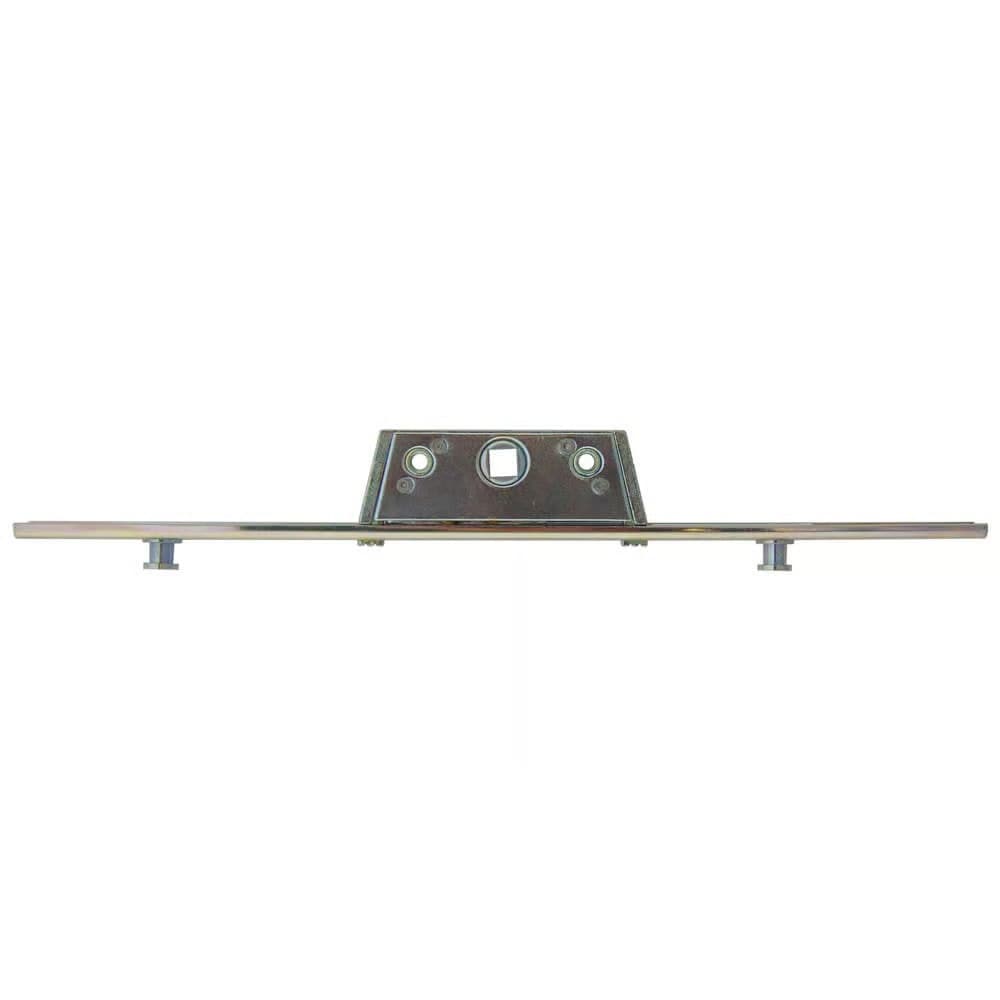
- In-Line Window Mechanism
- Offset Window Mechanism
- E-Type Gasket - Black 5m Roll
- E-Type Gasket - Black (Per Metre)
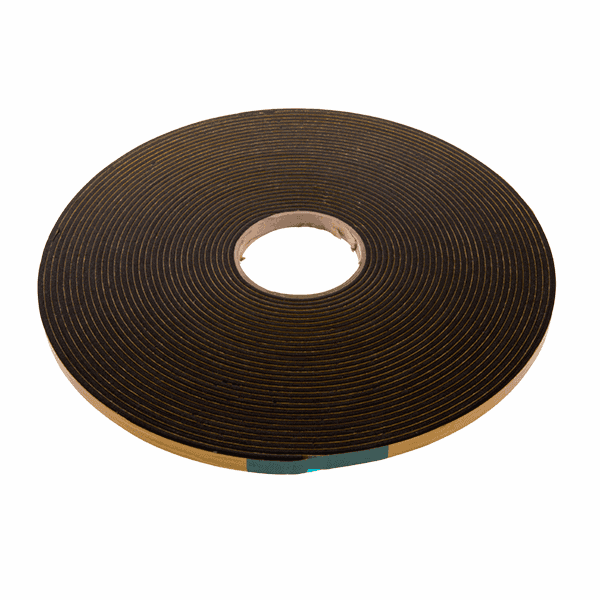
- Structural Glazing Tape - 20mm
Conclusion and next steps
Choosing between 13mm and 17mm friction hinge stack heights comes down to clearance, aesthetics and the mechanical demands of the sash. Tradespeople should use manufacturer load tables and system compatibility charts; DIYers should measure carefully and follow safe fitting practice. If you are unsure, contact your supplier with sash dimensions and frame details so they can recommend the correct hinge.
Next steps: review the technical datasheets for the hinges you are considering, check compatibility with your window system, and see our broader resources on window hardware at /guides/window-hinges. If you need advice on selecting hinges for a specific project, our team at Window Hardware Store can help with on-site measurements and product recommendations.
Products mentioned in this article

Related articles
Period Window Stays: Heritage Options for Older Properties
Period Window Stays: Heritage Options for Older Properties Older properties often require hardware that respects traditional appearance while providing mod...
Replacing Old Window Stays: Finding Matching Hardware
Replacing an old window stay can restore functionality, security and appearance to a worn casement. Whether you are a joiner, a glazing contractor or a dil...
How to Replace Friction Hinges on uPVC Windows
How to Replace Friction Hinges on uPVC Windows Overview Friction hinges are the most common operating mechanism on uPVC casement windows in the UK. They al...