
How Friction Hinges Work: Understanding the Mechanism
How Friction Hinges Work: Understanding the Mechanism Friction hinges are a common piece of hardware on modern windows and some doors; they control the sas...
How Friction Hinges Work: Understanding the Mechanism
Friction hinges are a common piece of hardware on modern windows and some doors; they control the sash movement and hold it at a chosen position without a separate stay. Whether you are a homeowner wanting to replace a worn hinge or a trade professional specifying hardware for a project, understanding how a friction hinge works will help you choose the right product and fit it correctly.
What is a friction hinge?
A friction hinge is a type of hinge that uses controlled resistance to keep a window or lightweight door open at a set angle. Rather than relying on a mechanical catch, gas strut or stay, the hinge produces a constant torque through internal plates, cams or washers that press together. The result is a smooth, adjustable resistance which prevents the sash from drifting closed or flapping open in wind.
Basic mechanics: how a friction hinge works
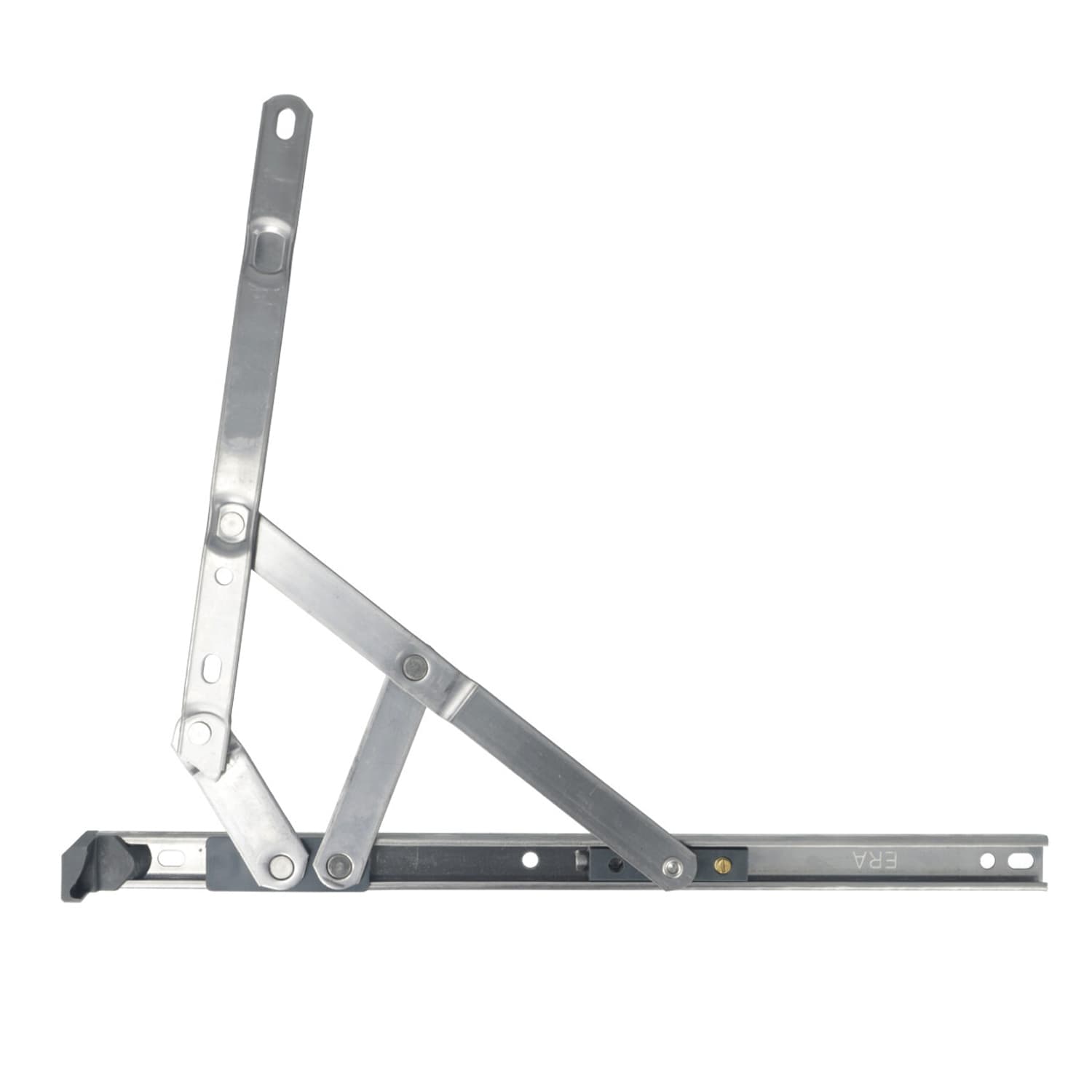
At its core a friction hinge converts rotational movement into resisted motion via frictional surfaces:
- Two or more bearing surfaces are pressed together; the contact creates frictional force when the sash moves.
- An adjustment screw, cam or wedge alters the clamping pressure so torque can be increased or decreased.
- Rotate the sash and the hinge generates a resisting moment proportional to the clamping force and the lever arm.
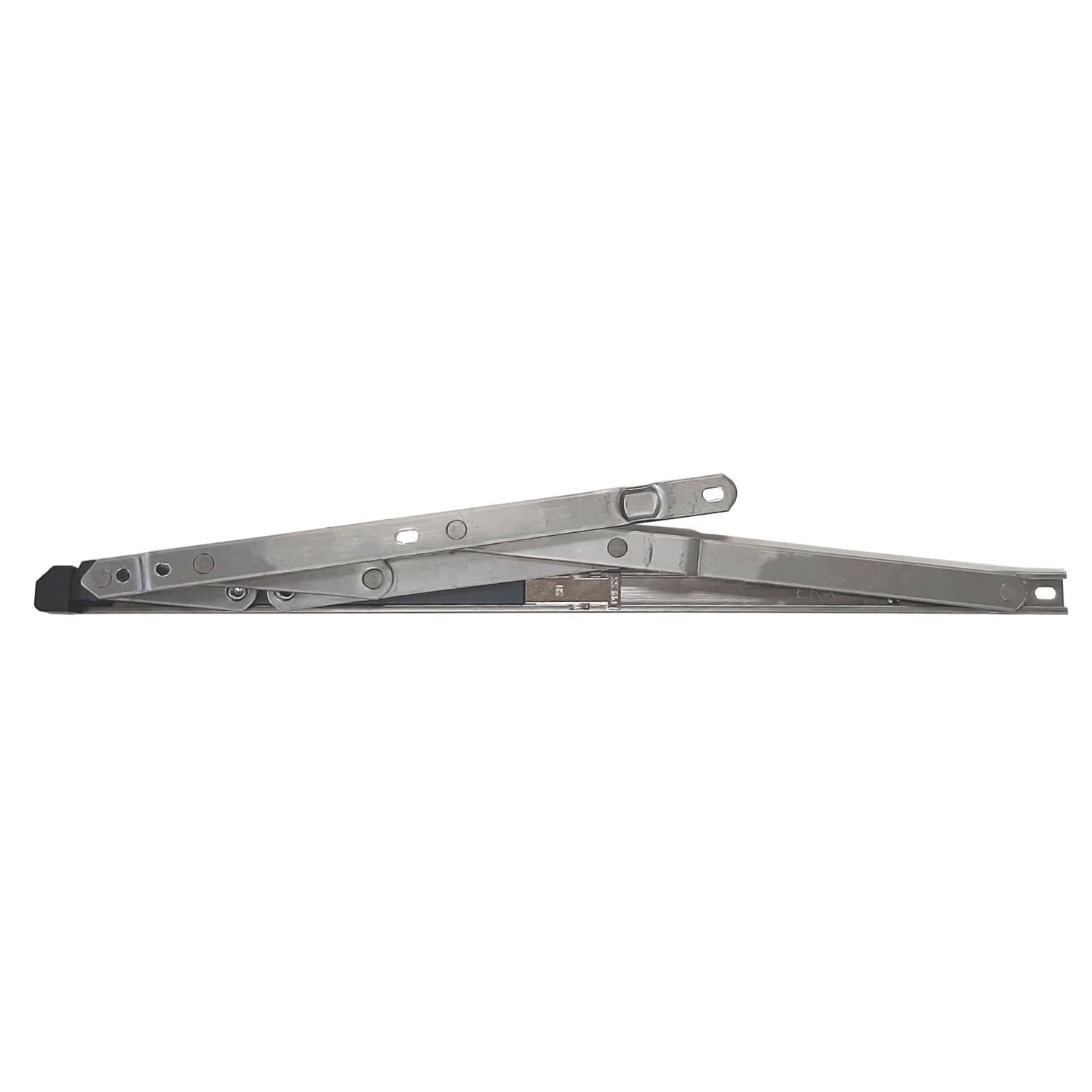
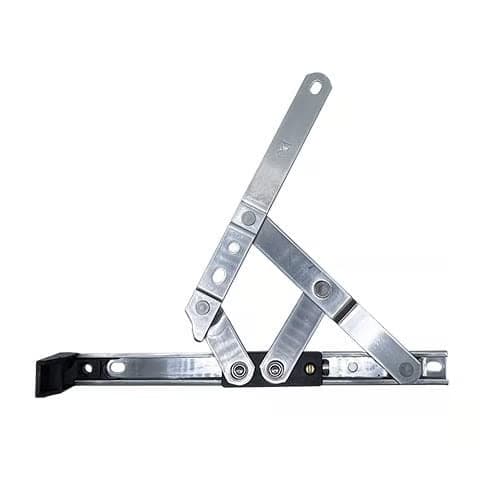
Some hinges use stacked plated washers with a clamping bolt; others have a purpose-made cam that squeezes a friction pad against a runner. A quality friction hinge will give consistent torque through the operating range and be designed to maintain weather performance once fitted to a double glazed unit.
Types and materials
There are several common variants of friction hinge for windows:
- Casement friction hinges: for side-hung or top-hung casement windows.
- Friction stay hinges: similar to traditional stays but with built-in friction control.
- Multi-point friction hinges: used when larger sashes require several pivot points.
Materials matter for longevity: stainless steel (grade 304 or 316) is preferred for external windows, especially in coastal locations; galvanised or zinc-plated steel is often used in less exposed situations. Corrosion resistance and the number of life cycles the hinge is rated for are key specification items for trade professionals.
Selecting the right friction hinge: trade advice
When specifying hinges for a project consider the following practical points:
- Weight and size of the sash: choose a hinge rated for the sash mass and expected wind loads.
- Torque range and adjustability: ensure the hinge can be tuned to hold the sash under local wind conditions.
- Material and corrosion rating: select stainless steel or marine-grade finishes for coastal properties.
- Compatibility with frames and glazing: hinge geometry must match the profile and keep DGU seals intact.
- Cycle life and warranty: in commercial work select hinges with a higher cycle rating to reduce maintenance.
Installation tips for tradespeople and DIYers
Correct fitting is essential for performance and safety. Follow these practical steps:
- Check the manufacturer’s torque and screw-length recommendations: using incorrect screws can distort the frame or penetrate glazing beads.
- Fit hinges symmetrically to avoid racking; measure and mark carefully before drilling.
- When replacing hinges, remove and inspect other hardware; replace in pairs to maintain even operation.
- Use packers to set the sash in the correct plane before final tightening; this prevents binding of friction surfaces.
- Do not overtighten adjustment screws; increase friction incrementally and test the sash through full travel.
Adjustment and maintenance
One of the benefits of a friction hinge is adjustability. Routine maintenance keeps performance reliable:
- Adjustment: open the sash to 90 degrees or the recommended test angle; turn the friction screw a quarter to half turn at a time; retest until the sash holds at the desired positions.
- Lubrication: use a light, dry PTFE or silicone spray on moving pivots only; avoid greasy oils which attract dust and grit and change friction behaviour.
- Periodic checks: inspect for corrosion, loose fixings and wear every 12 months, or more frequently in exposed locations.
- Replacement: if the hinge slips under load or shows excessive play, replace it rather than attempting temporary repairs.
Safety and regulatory considerations
For homes with children or where fire escape routes are required, check how the friction hinge affects opening size and egress. Some friction hinges include anti-slip features or integrated restrictors; others can be supplied with keyed restrictors for controlled ventilation. Trade professionals should ensure that any system meets relevant building regulations and fire safety requirements for the project.
Common problems and how to solve them
Homeowners and installers may encounter a few typical issues:
- Sash won’t stay open: increase friction slightly; if that fails, inspect for worn friction plates or missing shims.
- Stiff operation after adjustment: reduce clamping pressure and clean pivot points; ensure no swarf is trapped in moving parts.
- Corrosion causing rough movement: replace corroded hinges with stainless steel versions and review environment protection.
- Misaligned sash after replacement: check frame squareness and use packers to restore the correct geometry before final fixing.
Where to learn more
For a broader overview of hinges and related hardware, see our pillar resource on window hinges: /guides/window-hinges. That page covers hinge selection, compatibility with different frame systems and detailed specification advice suitable for trade professionals.
Recommended Products
Based on this article, you may find these products helpful:
- Top Hung Friction Stay - 12"
- ERA Egress (Fire escape) Friction Stay
- TSS Standard Friction Stays – 13mm & 17mm Stack Height
- Restricted Friction Stay Hinges
- Top-Hung Window Hinge - Standard
Conclusion and next steps
Friction hinges offer a simple, adjustable way to control window sash movement and improve usability and safety. For homeowners, regular checks and modest adjustments will keep windows working smoothly. For installers and specifiers, focus on correct sizing, material selection and correct installation practice to deliver long-lasting performance. Next steps: inspect your existing hinges, note sash weights and exposure, and consult manufacturer torque charts when ordering replacements; if in doubt, contact a specialist to match the correct friction hinge to your frame type.
Related articles
Period Window Stays: Heritage Options for Older Properties
Period Window Stays: Heritage Options for Older Properties Older properties often require hardware that respects traditional appearance while providing mod...
Replacing Old Window Stays: Finding Matching Hardware
Replacing an old window stay can restore functionality, security and appearance to a worn casement. Whether you are a joiner, a glazing contractor or a dil...
How to Replace Friction Hinges on uPVC Windows
How to Replace Friction Hinges on uPVC Windows Overview Friction hinges are the most common operating mechanism on uPVC casement windows in the UK. They al...