How Many Butt Hinges Per Door? Guidelines for UK Doors
How Many Butt Hinges Per Door? Guidelines for UK Doors Choosing the correct number and type of butt hinge for a door is essential for reliable operation, s...
How Many Butt Hinges Per Door? Guidelines for UK Doors
Choosing the correct number and type of butt hinge for a door is essential for reliable operation, security and longevity. Whether you are a trade professional fitting a run of internal doors or a homeowner replacing a sagging external door, understanding the practical rules and installation details will save time and avoid costly rework.
Basic rules: how many butt hinges per door
- Lightweight internal doors (eg bedroom or cupboard): two butt hinges are often sufficient.
- Standard internal doors (typical 1981mm x 762mm; timber or MDF): fit three butt hinges as standard to prevent sag over time.
- Tall or heavy doors (eg 2100mm+, solid timber, oak, glazed doors): use four butt hinges; consider heavy-duty hinges or specialist ironmongery.
- External and composite doors: three ball-bearing or security-rated butt hinges minimum; use four if the door is particularly heavy or high-use.
- Fire doors: follow manufacturer and Regulation guidance; most fire doors require three or four FD-rated hinges that match the door’s rating.
These are practical trade recommendations; always check the hinge manufacturer’s load ratings. Manufacturers test hinge capacities and provide precise weight limits per hinge size and type.
Why three hinges is the standard for internal doors
Three hinges spread the load and reduce twisting of the door leaf and frame. A door hung on just two hinges can develop sag, stick at the top or put strain on the lock and frame fixings. For common UK door sizes and typical daily use, three butt hinges give a durable installation with minimal movement over time.
Hinge sizes and types to choose
- Typical sizes: 75mm (3"), 89mm (3.5") and 102mm (4"). Use 75mm to 89mm for standard internal doors; 89mm to 102mm for heavier doors.
- Ball-bearing butt hinges: choose for heavier doors or where smooth operation is required; these reduce wear and noise.
- Stainless steel hinges: recommended for external doors or humid environments to resist corrosion.
- Security or anti-removal hinges: for outward-opening doors or where hinge pins could be tampered with; consider security dogs or non-removable pins.
- Fire-rated hinges: essential on fire doors; they must be CE marked and suitable for the door’s rating.
Practical positioning and fixing details
- Typical positioning: place the top hinge 150mm from the top of the door, the bottom hinge 150mm from the bottom, and the middle hinge centred between them. These distances are trade standard and give even loading.
- Rebating: cut the hinge mortices so the leaf sits flush with door and frame; use a router for neat, consistent rebates or a sharp chisel for small jobs.
- Screw selection: use screws long enough to bite well into the frame timber. For internal doors into solid timber use 35mm to 45mm screws; for external or high-security applications use 50mm to 65mm screws that reach the jamb backing or stud behind the frame.
- Pilot holes: always pre-drill pilot holes to prevent splitting; countersink heads where necessary for a flush finish.
- Number of screws: use all screw positions on the hinge; fewer screws reduce load capacity and increase chance of movement.
Special cases and technical considerations
- Fire doors: hinges must be fire rated and may require intumescent seals around the frame as specified by the door manufacturer. Do not mix hinge types; use the manufacturer’s specified hinge count and location.
- Composite and UPVC doors: these often require specialist hinges and long screws that engage with reinforced sections. Manufacturer instructions usually specify the number and position of hinges.
- Bespoke or oversize doors: consider continuous (piano) hinges or heavy-duty ball-bearing hinges; structural calculations may be needed for very heavy doors.
- Sash and outward-opening doors: use anti-thrust or rising butt hinges where appropriate; consult a tradesperson for gates and external applications exposed to weather stress.
DIY tips for a professional result
- Measure twice, cut once: mark hinge positions on both door and frame using a square and consistent offsets.
- Use a router when fitting multiple doors: it yields consistent rebate depth and saves time on a trade installation; a sharp chisel is fine for occasional DIY jobs.
- Test-fit the door before final screwing: hang the door loosely and check clearance, latch engagement and reveal; adjust hinge depth if too tight.
- Use long screws in the top hinge: for external doors, one long screw through the top hinge into the framing stud greatly increases resistance to forced entry.
- If a door sags later: tighten screws, replace worn screws with longer fixings, or add an additional hinge rather than relying on glue or filler.
Common mistakes to avoid
- Using two small hinges for a heavy or tall door; short-term savings can become long-term problems.
- Not using pilot holes or using screws that are too short to engage the frame; this leads to pulled-out screws and loose hinges.
- Mismatching hinge material and environment: do not use plain steel on an external door; choose stainless steel or suitably coated ironmongery.
- Ignoring manufacturer instructions on fire and composite doors; this can void warranties and contravene regulations.
Where to get more technical information
For product specifications and tested loadings consult hinge manufacturers’ data sheets and the relevant British Standards for doors and hardware. For a basic selection of butt hinges and complementary ironmongery see our pillar page: /guides/door-hinges.
Recommended Products
Based on this article, you may find these products helpful:
- Top-Hung Window Hinge - Standard
- Side-Hung Window Hinge - Standard
- Flag Door Hinge - Stainless Steel
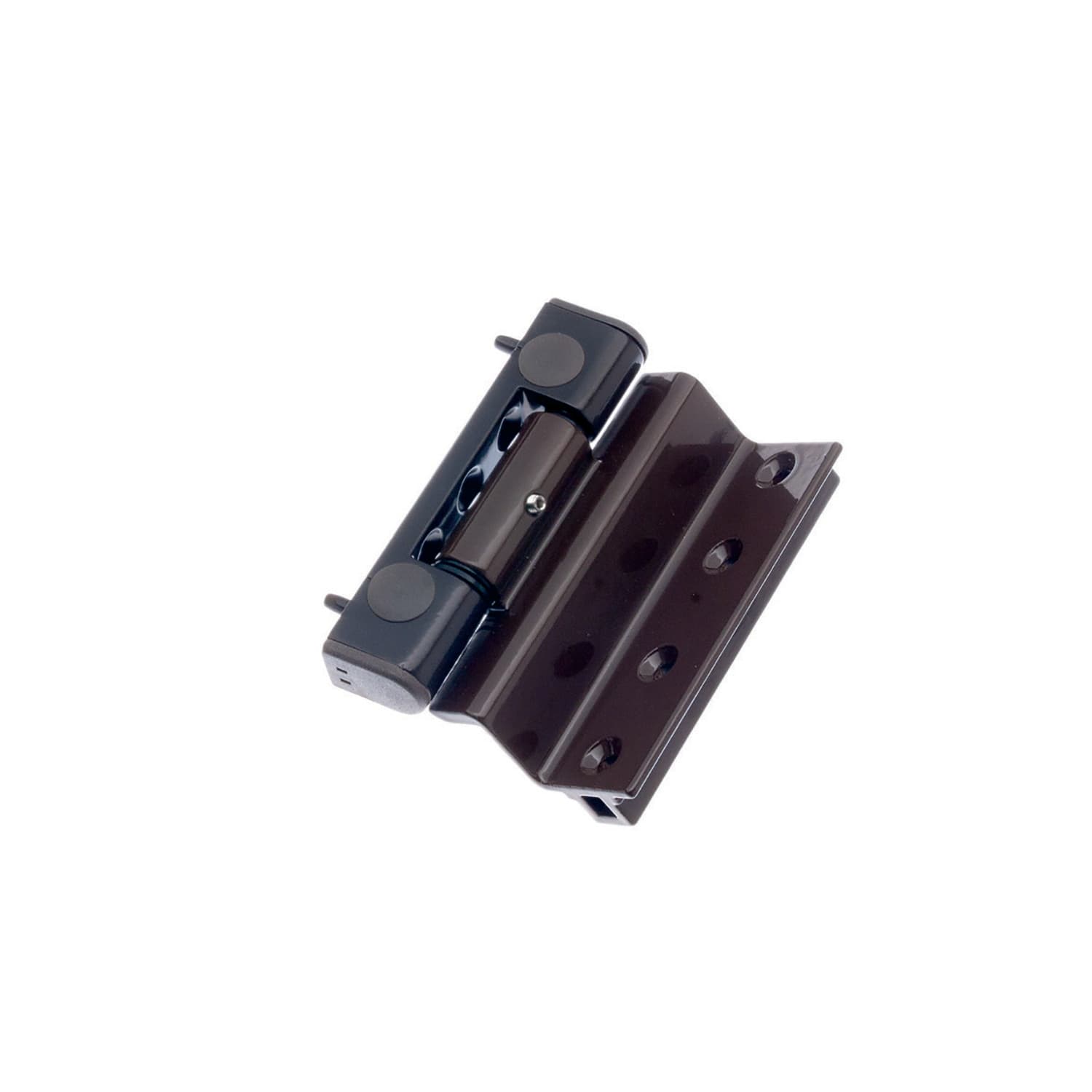
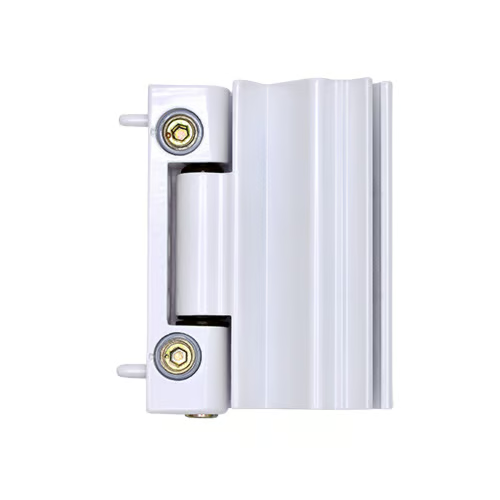
- ERA Challenger 3D Rebated Hinge
- Challenger Door Hinge
Conclusion and next steps
As a quick rule: use two hinges for light doors, three for most internal doors, and four for tall or heavy doors. Match hinge size and type to the door weight and use long, appropriate screws into the frame. When in doubt consult the hinge manufacturer or a qualified joiner; for fire or composite doors always follow the door maker’s guidance.
Next steps: check your door dimensions and weight, select butt hinges rated for that load, and follow the positioning and fixing tips above. If the door is fire-rated, external or unusually heavy, contact a trade supplier or installer to confirm the correct hinge specification.