Window Handles
How to Buy Replacement Double Glazed Window Handles (Checklist)
Replacement double glazed window handles are a small but crucial component of window security, operation and appearance. This checklist guides homeowners a...
Window Hardware Store Team
8 March 2026
5 min read
Replacement double glazed window handles are a small but crucial component of window security, operation and appearance. This checklist guides homeowners and tradespeople through choosing and fitting the correct replacement part, with practical tips on measurements, compatibility, locking features and installation to ensure a reliable, long-lasting result.
Identify the handle type and locking mechanism
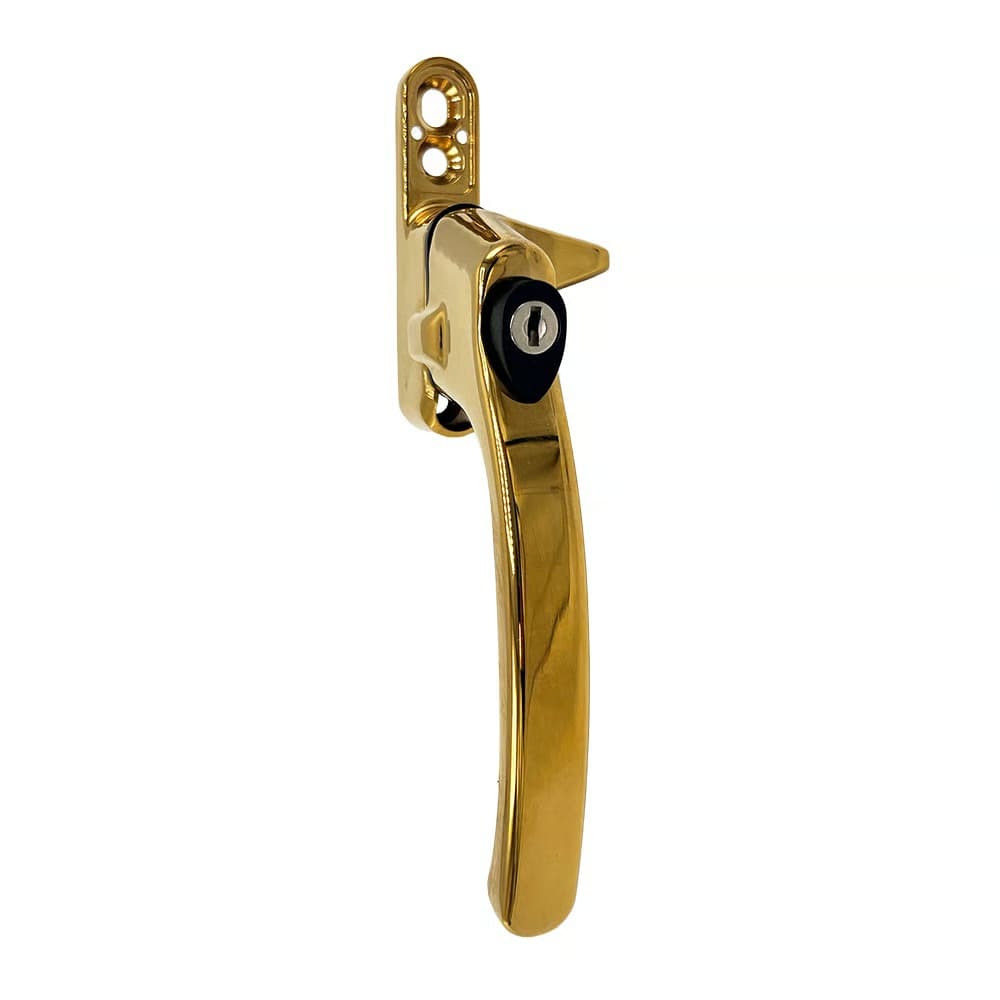
Different window systems use different handle types. Common types for double glazed windows include espagnolette (espag) handles, cockspur handles and cranked or tilt-and-turn handles. Matching the type is essential for proper operation and security.- Espagnolette handles operate a locking rod inside the frame and are common on modern uPVC and aluminium windows. Consider a robust, security-rated option such as the TSS Cockspur Window Handles.
- Cockspur handles clamp onto the sash edge and are often found on older timber or metal frames; a typical choice is the TSS Cockspur Window Handle.
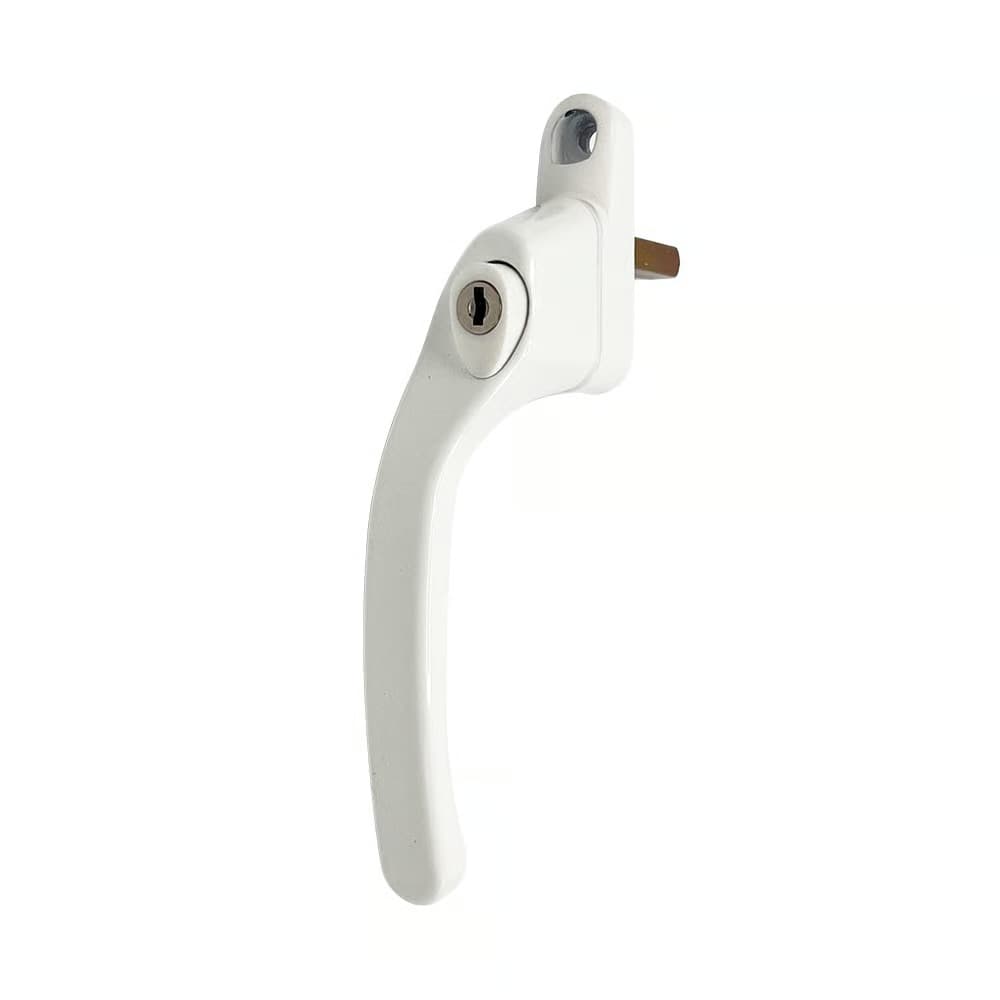
- For patio and some casement windows a standard lever such as the TSS Offset UPVC Window Handles may be appropriate.
Measure accurately — the three vital dimensions
Accurate measurements prevent ordering the wrong item. Record these three dimensions:- Screw centres: Measure the distance between the two fixing screw centres on the handle rose or backplate (centre to centre, in millimetres). This is the most common measurement required by suppliers.
- Spindle length and thickness (for handle-and-spindle systems): Measure the square spindle that passes through the mechanism. Length determines reach into the locking gearbox; thickness is usually 8 mm for many handles but confirm before ordering.
- Backset/end fitting: For espagnolette handles, note whether the handle operates a gearbox with a euro-screw pattern or a specific multi-point connection. Measure the distance from the handle base to the edge of the sash if relevant.
Check handing and orientation
Handing (left or right) affects internal gears and the way the handle rotates. Determine the opening direction by standing outside and noting whether the hinge is on the left or right; some replacement handles are handed and must match the sash operation. Reversible designs exist but confirm before purchase.Confirm locking and security requirements
Upgrading to a locking handle can improve security and meet insurance requirements. Trade-grade locking handles are available with euro cylinders or keyed mechanisms. For high security, select handles compliant with recognised standards (for example, products compatible with Secured by Design or PAS 24 requirements when used with certified hardware). Consider replacing the keeps and striker plates at the same time to ensure full locking engagement.Choose the correct finish and material
Matching finish maintains a consistent appearance. Common finishes include white, brown, black, chrome, satin chrome and antique brass. Materials and coatings affect durability in coastal or high-moisture environments; choose corrosion-resistant finishes for exposed or sheltered external windows.Inspect the spindle and gearbox
If a handle feels loose or fails to operate the locking rod, the fault may lie with the spindle or the gearbox rather than the handle. Check the spindle for wear, bending or stripped edges. When replacing an espag handle, ensure the spindle engages the gearbox fully; if the gearbox is worn, replace it simultaneously to avoid premature failure.Tools and parts to have ready
Typical tools and consumables required for a straightforward replacement:- Pozidriv and flat-head screwdrivers
- 3 mm–8 mm Allen keys (if applicable)
- Tape measure and calipers for precise measurement
- Replacement screws (stainless steel recommended)
- Wood or frame filler for stripped screw holes
- Light grease for spindles and moving parts
- Keyed lock lubricant for locking handles
Removal and fitting checklist (practical steps)
1. Open the window and support the sash where necessary to avoid sudden movement. 2. Remove the handle grub screw or rose screws (retain existing screws for reference). 3. Pull the handle straight off the spindle; a firm pull while holding the spindle steady prevents damage. 4. Inspect the spindle and gearbox; replace if worn. 5. Align the new handle onto the spindle ensuring correct orientation and handing. 6. Refit screws to the specified torque to avoid stripping; for soft frames, consider slightly longer screws with care to avoid glass contact. 7. Check smooth operation through full travel and confirm locking engages correctly. 8. Test all locking points and the keeper/strike alignment; adjust keepers if necessary to ensure a tight lock without forcing.Common issues and remedies
- Loose handle after replacement: usually due to stripped screw holes — use larger stainless screws or refill holes with epoxy/wood filler and re-drill.
- Handle sticks or jams: apply a small amount of graphite or silicone lubricant to the spindle and locking points; avoid heavy oil-based lubricants that attract dust.
- Wrong spindle length: use an extended spindle or select a handle with an adjustable spindle length to achieve correct engagement.
- Cosmetic mismatch: order handles and keeps in matching finishes and consider replacing both sides for a uniform look.
Record keeping and compliance
Keep a record of measurements, product codes and supplier details for future reference. For properties requiring compliance with building or insurance standards, document that new handles meet specified standards and retain receipts for proof.Final checks before completion
- Confirm the handle is secure with no play on the spindle.
- Ensure the lock engages smoothly and deadlocks if applicable.
- Verify finish and aesthetic match with surrounding hardware.
- For multi-point systems, check all locking points operate together.
replacementwindow handlesupvc