How to Choose the Right Door Handle Backplate
Choosing the right door handle backplate is an important decision for both tradespeople and DIY enthusiasts. The backplate affects not only the look of a door but also its durability, function and com...
Choosing the right door handle backplate is an important decision for both tradespeople and DIY enthusiasts. The backplate affects not only the look of a door but also its durability, function and compatibility with locks and mechanisms. This guide explains the key considerations when selecting a door handle backplate for internal and external doors, helping you make an informed choice for new installations, replacements or refurbishments.
Understanding what a door handle backplate does
A door handle backplate sits behind the handle and often includes the keyhole, thumbturn or spindle aperture. It can protect the door surface from wear, provide additional strength around the handle fixing points and contribute to weather resistance on external doors. On fire doors and security doors, the correct backplate can also be essential to conforming with building regulations or insurance requirements.
Material and finish choices
Selecting the right material is critical for performance and appearance. Common materials include:
- Stainless steel: highly durable, corrosion-resistant and suitable for external use; ideal for commercial and coastal locations.
- Brass: traditional finish, can be lacquered for protection; suitable for period properties when aged or polished looks are required.
- Zinc alloy: cost-effective and available in many finishes; best for internal doors with light to moderate use.
- Aluminium: lightweight and corrosion resistant; used where weight is an issue.
- Iron or steel (painted or powder-coated): strong and durable; ensure coatings are suitable for outside exposure.
Finish options include polished, satin, antique, matt and lacquered. Think about maintenance: polished finishes show fingerprints and require more cleaning, while satin and matt finishes hide marks and are popular in busy commercial settings.
Size, shape and compatibility
Backplates come in a variety of shapes and sizes. Choosing the correct dimensions ensures both aesthetic balance and mechanical compatibility:
- Overall plate size: larger plates suit grand or reclaimed doors; narrow plates fit modern, minimalist designs.
- Distance between fixings: check screw-centres to match existing holes when replacing; measure accurately to avoid drilling extra holes.
- Spindle hole size and position: ensure alignment with the handle spindle and latch mechanism.
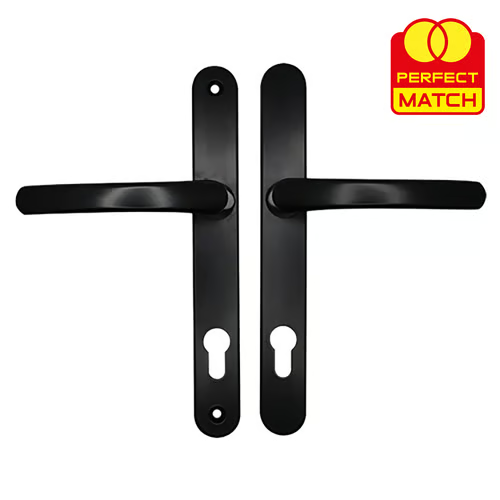
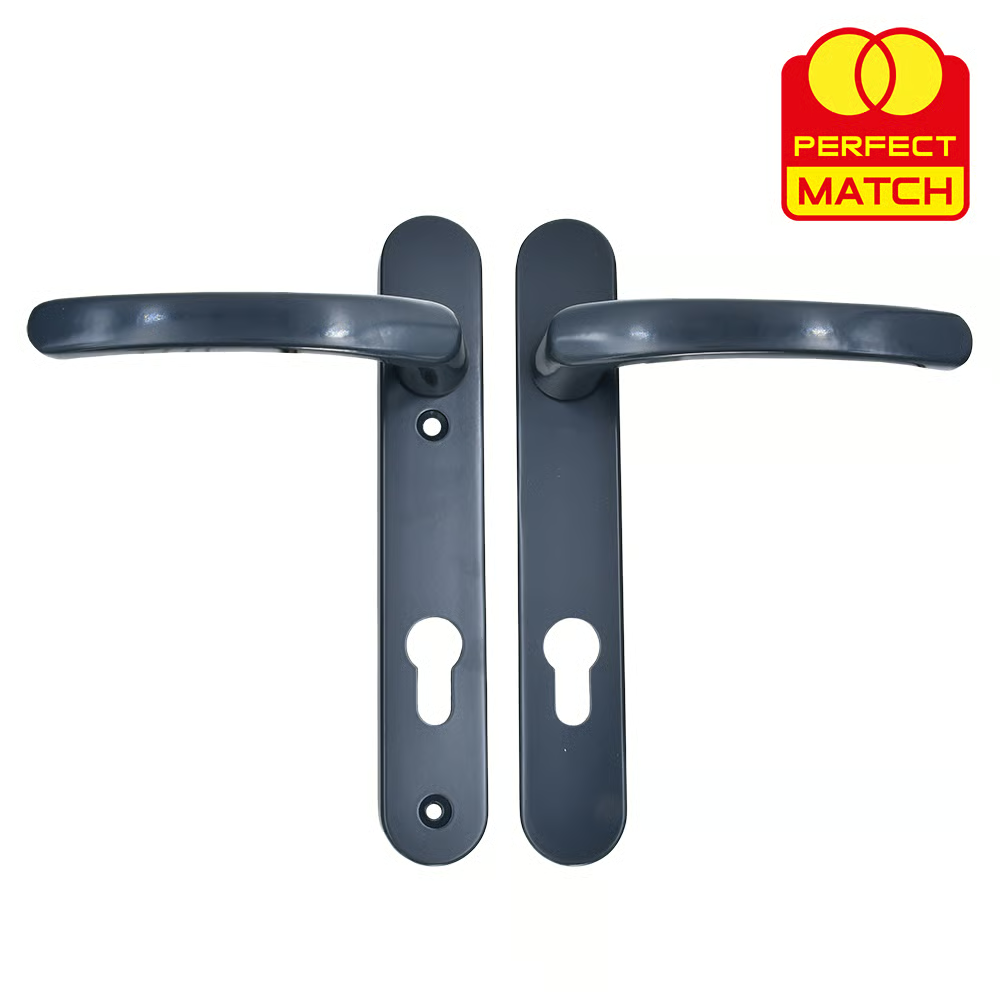
- Keyhole or escutcheon type: decide between keyhole-only, euro cylinder, mortice sash lock or bathroom thumbturn configurations.
For tradespeople, carrying a small set of templates and a vernier caliper will speed up site checks and reduce mistakes when fitting replacement backplates.
Security and locking considerations
When the backplate includes a keyhole or cylinder, it plays a part in the door’s security. Consider the following:
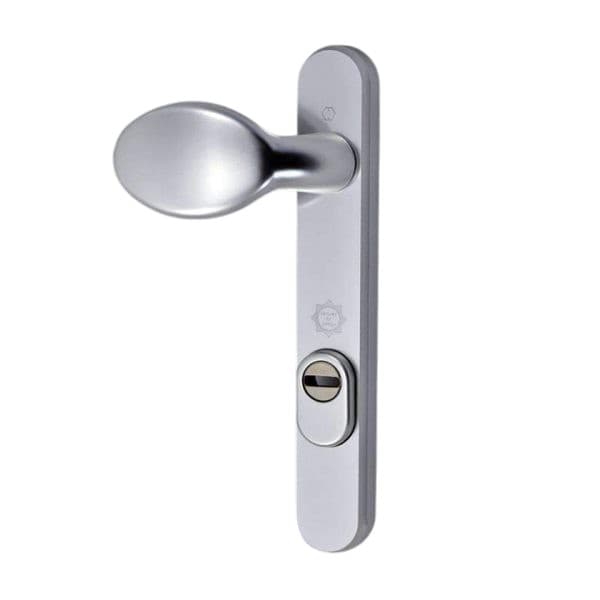
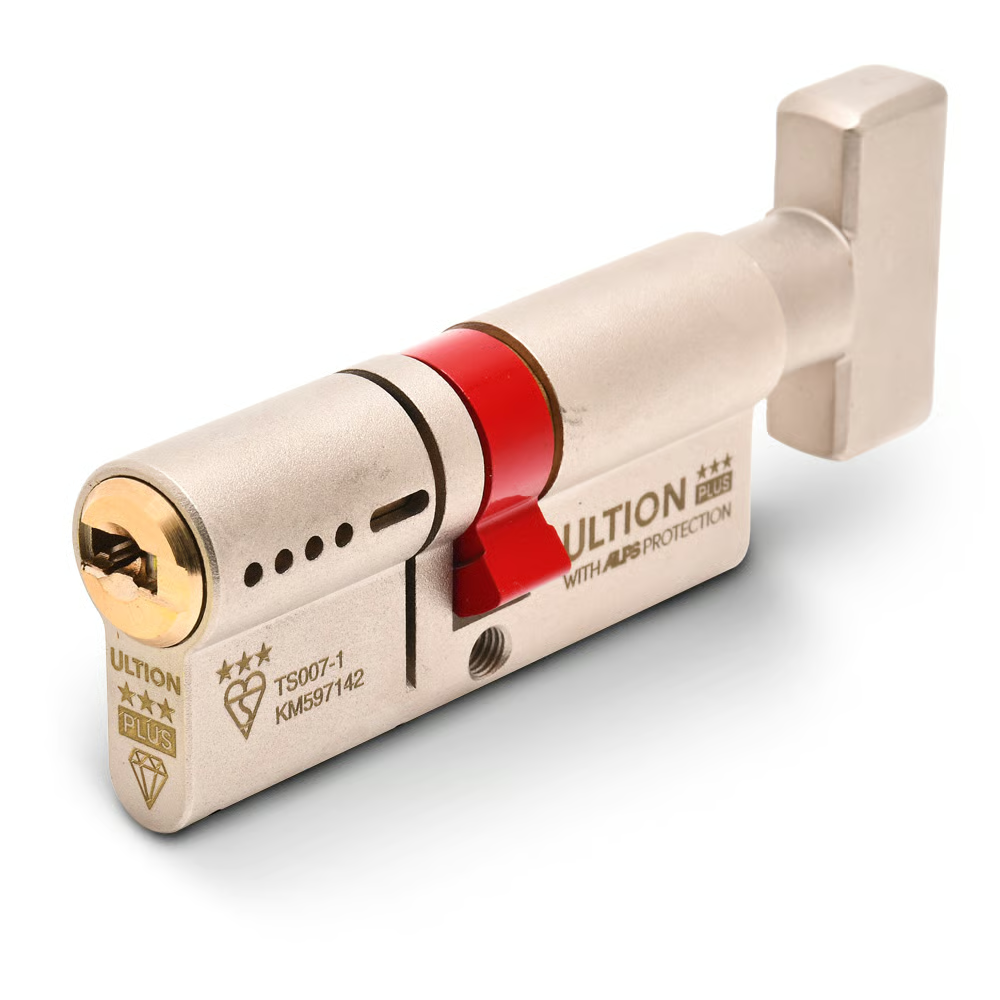
- Euro cylinder compatibility: ensure the backplate has the correct cut-out and thickness to protect the cylinder from snapping or tampering.
- Reinforced backplates: some designs include additional mounting or integral reinforced sections to resist lever attacks.
- BS and PAS standards: for external doors, specify components that meet relevant British standards and test results.
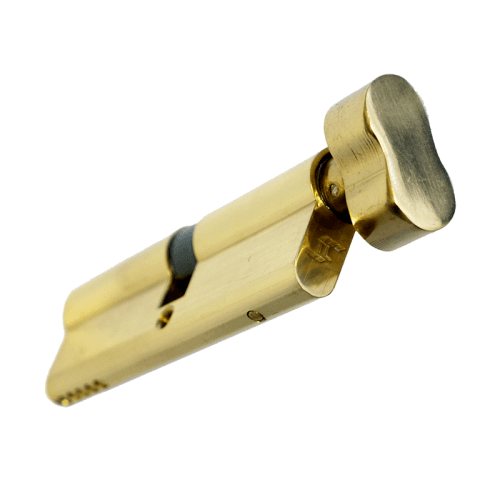
- Cylinder length and projection: select backplates that accommodate longer cylinders on composite doors without exposing the cylinder edge.
Remember that the backplate is only one component; it should be used with quality locks, reinforced strike plates and correct fixings to deliver a secure installation.
Practical fitment and installation tips
Good preparation makes installation faster and reduces rework. Follow these practical tips:
- Match the new backplate to the existing hole pattern: measure screw-centres, spindle position and keyhole location before ordering.
- Use appropriate fixings: wood screws for timber doors, machine screws with brass dog bolts for PVCu or composite doors; stainless fixings for external locations.
- Check spindle length: cut or swap the spindle to the correct length to avoid handle play or binding.
- Seal external backplates: use a discreet bead of flexible sealant around the backplate on external doors to prevent water ingress.
- Test operation: ensure the handle returns correctly, the latch engages smoothly and keys operate without binding before completing installation.
Aesthetic and project considerations
For trade projects, matching hardware across a property creates a professional finish. Consider these points:
- Consistency: select matching finishes for handles, hinges, letterplates and knockers where possible.
- Period properties: choose designs and materials sympathetic to the property's era; aged brass and ornate plates often suit heritage jobs.
- Commercial projects: prioritise durability and ease of maintenance; satin stainless and matt finishes are low maintenance.
- Budgeting: higher-cost materials like solid brass or specialist finishes can be reserved for focal doors; use cost-effective alternatives on less prominent doors.
Choosing the right door handle backplate means balancing function, security and appearance. Measure carefully, specify materials appropriate to the environment and ensure compatibility with locks and spindles. Tradespeople should keep a small stock of popular sizes and finishes to respond quickly on site; DIYers will benefit from taking accurate measurements and considering future maintenance when selecting a finish.
If you need specific product recommendations or templates for common lock types, our guides at /guides/door-handles provide further technical detail and fitting advice to help you select the correct door handle backplate for any job.
Recommended Products
Based on this article, you may find these products helpful:
Part of our guide:
Complete Guide to Door Handles