
How to Measure a Euro Cylinder for Replacement
How to Measure a Euro Cylinder for Replacement Why correct measurement matters Replacing a euro cylinder lock requires accurate measurement to ensure the n...
How to Measure a Euro Cylinder for Replacement
Why correct measurement matters
Replacing a euro cylinder lock requires accurate measurement to ensure the new cylinder fits flush, functions correctly and meets current security expectations. A cylinder that protrudes beyond the door face increases the risk of snapping attacks; a cylinder that is too short will not engage the lock. Whether you are a trade professional fitting multiple doors a week or a homeowner changing a faulty unit, the measuring method is the same and straightforward.
Identify the type of euro cylinder you have
First establish the cylinder type. Common types are:
- Double euro cylinder: keys at both sides.
- Single euro cylinder: key only at one side; used for certain internal applications.
- Thumbturn cylinder: key on one side, thumbturn on the other for easy internal escape.
Also check for security features: anti-snap, anti-drill, anti-pick, and whether it carries the TS007 3-star Kitemark. These details matter when choosing a replacement that meets insurance requirements.
Tools you will need
- Good quality tape measure or a set of vernier callipers for more precise readings.
- Screwdriver to remove the fixing screw.
- The key to the cylinder: used to turn the cam when extracting the cylinder.
- Notepad or phone to record measurements and take photos of the existing set-up.
Step-by-step: measure a euro cylinder lock
Follow these steps for a reliable measurement:
- Open the door or window to access the edge where the fixing screw sits; it is usually halfway along the lock face.
- Remove the fixing screw: use an appropriate screwdriver to take out the countersunk screw that holds the cylinder in place. Keep the screw safe; you will use it when fitting the new cylinder.
- Insert the key and turn it slightly: this aligns the cam so the cylinder can be slid out. If the door is locked and you cannot turn the key, the cylinder will need to be turned until the cam lines up; do not force it.
- Slide the cylinder out carefully: withdraw it from the door. If it is stuck, try turning the key gently while pulling; do not use excessive force that could damage the lock case.
- Measure from the centre of the cam to each end: the correct measurement is taken from the centre point of the cam (the fixed screw hole axis) to the external end and to the internal end. Record both measurements in millimetres. For example: 30/40 means 30mm to the external side and 40mm to the internal side.
- Double-check overall length: add the two centre measurements to confirm the full cylinder length (for example 30 + 40 = 70mm). Typical increments are in 5mm steps; common sizes include 35/35 (70mm), 30/40 (70mm), 40/45 (85mm), 45/45 (90mm), and 40/40 (80mm).
- Note which side is external: always record the external measurement first. For doors, the external side is the outside of the property; for windows the outward-facing side. This ensures the replacement sits with the correct orientation, especially important for asymmetric or thumbturn cylinders.
Selecting the right replacement cylinder
When ordering a replacement consider these points:
- Match the measurements exactly; do not assume you can shorten a cylinder on site. Most manufacturers produce specific lengths in fixed increments.
- Choose the same type: if you have a thumbturn, order a thumbturn version; if you have a double cylinder and want to change to a thumbturn for internal convenience, ensure this meets building regulations where escape is required.
- Upgrade security where possible: consider a TS007 3-star rated anti-snap cylinder for external doors. These are designed to reduce the risk of cylinder-snapping and may be needed for insurance compliance.
- Match the keying: if you want several locks on a property keyed alike, order them on the same key number. Trade customers should request keyed-alike batches from their supplier.
Fitting notes and practical trade advice
Some practical tips from installers and trade professionals:
- A cylinder should sit flush or be recessed slightly from the face of the door; ideally it should not protrude more than a few millimetres beyond the escutcheon. Excessive projection makes the cylinder vulnerable to attack.
- If swapping from a cheap cylinder to a high-security unit, check that the existing escutcheon and handles will accommodate the new profile; anti-snap cylinders are often bulkier and may require a replacement escutcheon for correct coverage.
- Keep a range of common sizes in the van for quick turnaround, especially 35/35, 40/40, 45/45 and 30/40. For site work always measure the specific door before taking a replacement from stock.
- If a cylinder is stiff to turn, consider light lubrication with a dry graphite spray or a manufacturer-recommended lubricant; oil-based lubricants can attract grit and cause further problems.
Troubleshooting common issues
If you cannot remove the cylinder:
- Make sure the cam is aligned by turning the key slightly; if the key is stuck, use a lubricant and wiggle gently while turning.
- For jammed cylinders where the fixing screw is accessible but the cylinder will not slide out, check for a grub screw on the handle or an additional retaining clip; some multipoint locks have extra fixings.
- If the door is old and the lock case is worn, the cam may not centre properly. A tradesperson can replace the entire multipoint lock or fit an adaptor plate if a new cylinder will not sit correctly.
Further reading
For more detailed information about cylinder types, security ratings and fitting options visit our pillar page at /c/locks-security where trade datasheets and product comparisons are available.
Recommended Products
Based on this article, you may find these products helpful:
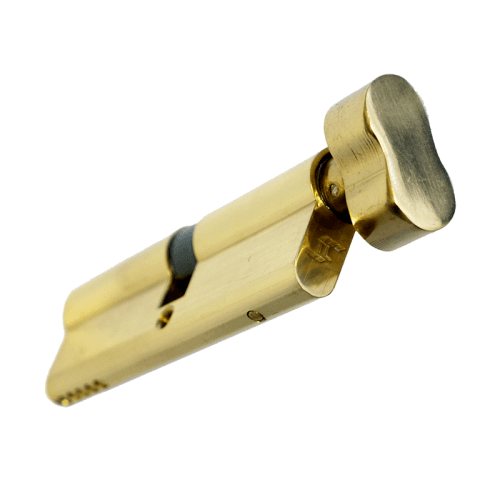
- TL Thumb Turn Euro Cylinder
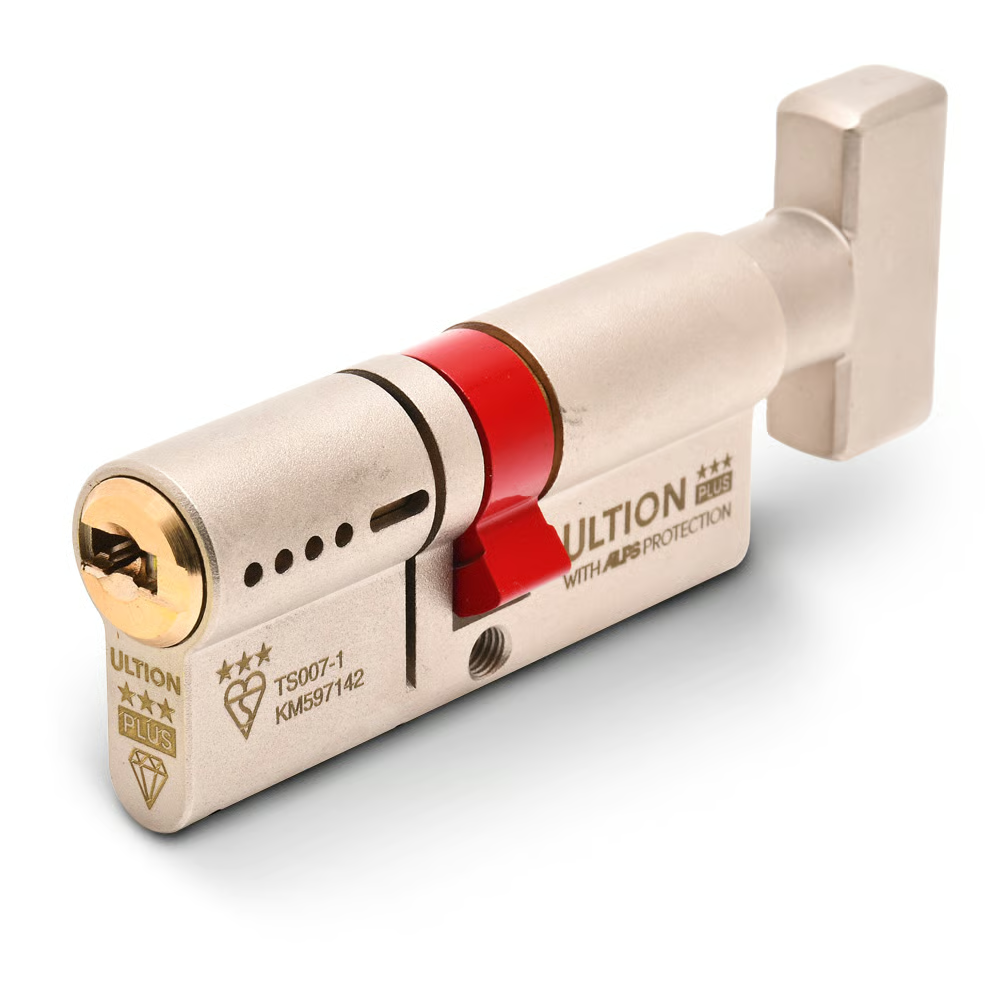
- Ultion Plus TS007 3* Kitemarked Euro Key & Turn Cylinder
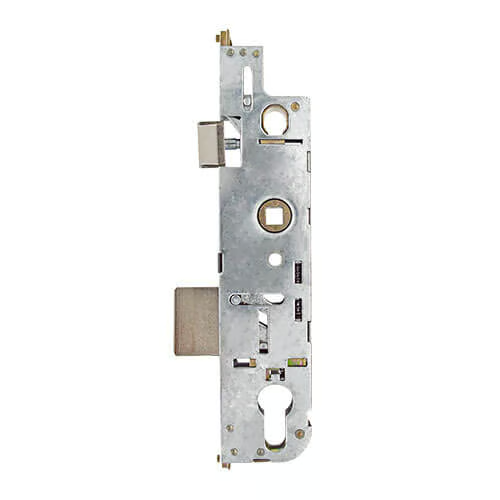
- Multipoint Gearbox GU Old Style
Conclusion and next steps
Accurate measurement of a euro cylinder lock is a quick task that prevents costly returns and security issues. Record the centre-to-end measurements, note which side is external, and choose a replacement with appropriate security credentials. Next steps: remove and measure the cylinder as described, decide on the required security level, and order the correct size and type; if you are unsure about unusual lock cases or want a security upgrade, contact a qualified installer or your supplier for advice.
Products mentioned in this article
Related articles
What Is a Thumb Turn Cylinder? Convenience vs Security
What Is a Thumb Turn Cylinder? Convenience vs Security What is a thumb turn cylinder? A thumb turn cylinder is a type of euro-profile lock cylinder that ha...
Thumb Turn Cylinder vs Panic Bar: Exit Options Compared
Thumb Turn Cylinder vs Panic Bar: Exit Options Compared examines two very different approaches to door egress and security. The thumb turn cylinder is a co...
Thumb Turn Cylinder Sizes: Finding the Right Length
Thumb Turn Cylinder Sizes: Finding the Right Length Choosing the correct thumb turn cylinder is vital for security, smooth operation and a neat finish on d...