
Letter Box Buying Guide: Sizes, Materials and Security Features
Letter Box Buying Guide: Sizes, Materials and Security Features Choosing the right letter box affects security, weather resistance, thermal performance and...
Letter Box Buying Guide: Sizes, Materials and Security Features
Choosing the right letter box affects security, weather resistance, thermal performance and mail handling. Whether you are a homeowner fitting a replacement plate or a trade professional specifying letter boxes for multiple properties, this guide explains the practical options, sizing considerations, materials, security features and installation tips to help you make the correct choice.
Types of letter box and where they fit
Different property types and doors require different letter box solutions. Common variants are:
- Letter plates: simple flap fitted directly into a front door; economical and common on timber, uPVC and composite doors.
- Through-door letter boxes: include an external flap and an internal collection box; ideal where you want secure internal collection and minimal draught.
- Wall-mounted letter boxes: surface-mounted boxes that collect mail outside; useful where doors are not suitable for a cut-out or for flats and shared entrances.
- Vertical letter slot or wall slot: a deeper slot through a wall with a cowl; used in solid walls and often for larger items.
- Parcel or large capacity boxes: for modern delivery volumes, lockable parcel boxes or combined letter/parcel units prevent doorstep theft.
Sizing: aperture, internal capacity and accessibility
Check what size of post you need to accept before purchase. Standard letterplates vary, but most domestic plates accept standard letters and C5 envelopes easily; they may not accept C4 flats without a larger aperture or a through-door box. Consider:
- Aperture width and height: common widths range from around 230mm to 260mm; common heights are 30mm to 60mm. If you need to accept large envelopes or magazines, choose a greater width and height or a box designed to accept C4 items.
- Internal depth: through-door boxes and wall boxes list internal capacity in litres or dimensions; ensure there is enough room to prevent jamming when multiple items are delivered.
- Height from floor: for general use a centre height between 900mm and 1100mm is typical; for accessible installations consider mounting lower, ensuring compliance with any local accessibility guidance.
- Door thickness and backset: measure door thickness and any required backbox depth to ensure the new unit will fit without interfering with hinges or locks.
Materials and finishes: longevity and location factors
Material choice affects corrosion resistance, aesthetics and cost. Common materials include:
- Stainless steel: durable and corrosion resistant; 316 stainless is recommended for coastal properties or exposed sites where salt spray is a concern.
- Brass: classic appearance and durable when lacquered; may require more maintenance to retain finish.
- Aluminium and zinc alloys: lightweight and often powder-coated; suitable for many situations but check coating quality for coastal locations.
- Plastic and composite materials: cost effective and thermally better than metal in some cases, but less robust against vandalism and UV degradation.
Finish choices include polished, satin, antique and powder-coated colours. For trade works, specify a finish code and confirm sample approvals to maintain consistency across projects.
Security features to specify
Letter boxes can be a weak point for theft and vandalism unless properly specified. Consider these security features:
- Anti-fishing baffles and cages: internal baffles or cage systems prevent hands or rods being pushed through the aperture to retrieve mail.
- Lockable internal collection boxes: secure collection prevents unauthorised access from the outside; useful for flats or high-theft areas.
- Reinforced external flap and tamper-proof fixings: heavier gauge flaps and stainless tamper-resistant screws make removal and prising more difficult.
- Anti-snap and anti-jemmy construction: reinforced frames and profiled collars reduce the chance of the unit being forced out.
- One-way flaps and internal lids: design that allows mail to drop but prevents reach-back into the property.
For multi-occupancy buildings, consider centralised lockable letterboxes meeting Royal Mail delivery requirements and local secure-sorting guidance.
Thermal and weatherproofing considerations
Letter boxes can create heat loss and draughts unless treated. Trade and DIY measures include:
- Brush seals and rubber gaskets: reduce draughts and improve acoustic performance.
- Insulated backboxes: foam-lined or thermally broken boxes reduce thermal bridging through the door or wall.
- Weather hoods and cowls for wall slots: direct rain away from the aperture to prevent water ingress into the building.
- Proper sealing and edge protection: seal cut timber or composite door edges with appropriate primer and sealant to prevent moisture ingress and rot.
Installation tips for trade and DIY
Follow the door or wall manufacturer guidelines and use the correct template and fixings. Key practical tips:
- Always check whether the door is fire-rated; do not cut a hole in a fire door unless a fire-rated letter plate is specified and tested for that door.
- Use the manufacturer’s template for accurate cut-out; check position relative to locks and glazing.
- For uPVC or composite doors, avoid over-tightening screws; use manufacturer's reinforcing plates where provided to prevent cracking.
- Seal around the backbox with a low-modulus silicone or foam where appropriate; for external wall boxes use a breathable seal on the internal face where condensation is a risk.
- For timber doors, treat exposed cut edges with preservative and paint or varnish to prevent moisture ingress.
- Use stainless steel coach bolts or security fixings on external boxes; for retrofit jobs consider expanding fixings in masonry or use chemical anchors for a secure installation.
Specifying for projects: trade checklist
- Confirm type: plate, through-door box or wall box; confirm capacity and whether parcels must be accepted.
- Specify aperture size and internal depth; note any need to accept C4 flats.
- Choose material and finish appropriate to location and client preference; specify 316 stainless for coastal sites.
- Include security options: anti-fishing, lockable collection, tamper-proof fixings.
- Confirm compatibility with door manufacturer and any fire or warranty constraints.
- Provide installation guidance and template with each unit; ensure team on site uses appropriate tools and PPE.
Recommended Products
Based on this article, you may find these products helpful:
- E-Type Gasket - Black 5m Roll
- E-Type Gasket - Black (Per Metre)
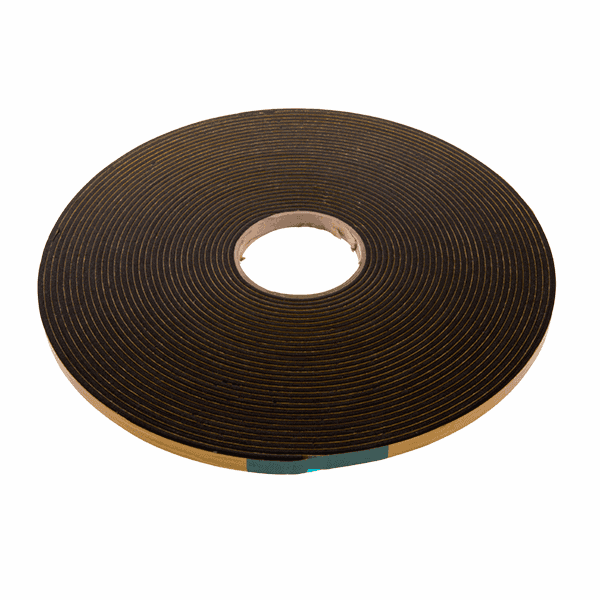
- Structural Glazing Tape - 20mm
- Security Glazing Tape
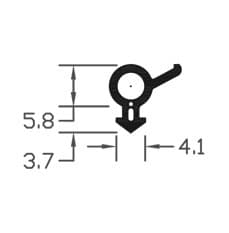
- B003 Bubble Gasket
Conclusion and next steps
Selecting the correct letter box involves balancing size, material, security and thermal performance. Measure carefully, check door or wall constraints and specify security features suitable for the location. For trade projects, document the specification and installation method to maintain compliance with warranties and safety standards. For more detailed product options and templates, see our pillar resources at /guides/letterboxes or contact our technical team for site-specific advice and bespoke solutions.
Products mentioned in this article
Related articles
Internal vs External Letterbox Draught Excluders: Which Works Better?
Internal vs External Letterbox Draught Excluders: Which Works Better? A letterbox is a small opening that can let in a disproportionate amount of cold air,...
How to Retrofit an Anti Arson Letterbox to an Existing Door
How to Retrofit an Anti Arson Letterbox to an Existing Door What is an anti arson letterbox and why retrofit one? An anti arson letterbox is a specialist l...
Letterbox Draught Excluder for Security: Added Protection
Letterbox Draught Excluder for Security: Added Protection A well-chosen letterbox draught excluder reduces heat loss and noise while contributing to a stro...