
Letter Box Installation Tips: Getting a Neat Finish
Letter Box Installation Tips: Getting a Neat Finish Installing a letter box so it looks neat and performs well requires planning, the right tools and an un...
Letter Box Installation Tips: Getting a Neat Finish
Installing a letter box so it looks neat and performs well requires planning, the right tools and an understanding of how different door materials behave. Whether you are a UK homeowner fitting a new letter plate or a trade professional carrying out an installation for a client, the following practical advice will help you achieve a tidy, secure and weatherproof result.
Choose the right letter box for the door type
Start by matching the letter box to the door material and use case. Options include through-the-door letter plates, surface-mounted external boxes, and internal letter cages. Consider:
- Door material: timber doors can accept cut-outs and packers; composite doors often require through-fix letter plates that sandwich the door; uPVC and aluminium need appropriate drill bits and sometimes bracket reinforcement.
- Security features: anti-fishing cages, internal restricted flaps and letter plate escutcheons reduce the risk of theft or lock fishing.
- Weather resistance: stainless steel or powder-coated finishes are preferable in coastal or exposed locations; look for rubber seals and brush strips to prevent draughts and water ingress.
Tools, fixings and materials to have ready
Prepare a kit so the install runs smoothly. Typical items include:
- Letter plate with template; check the manufacturer’s recommended cut-out size.
- Drill with a set of wood, metal and masonry bits, and a jigsaw with fine-tooth blades for timber.
- Router with a straight-cut bit for the cleanest internal edges when cutting timber or composite doors.
- Stainless steel screws or manufacturer-supplied fixings; for masonry surrounds use appropriate wall plugs or coach bolts for gates and metal doors.
- Exterior-grade silicone or polyurethane sealant and a bead of expanding foam or timber packers for reinforcement where required.
- Masking tape, pencil, spirit level and a tape measure; use a backing board or scrap timber to prevent blow-out when cutting through.
Marking out and measuring for a clean cut
Accurate marking is crucial. Use the letter plate template and the following checks:
- Choose the centre height: many installers place the slot between 1000mm and 1100mm from the finished floor as a practical compromise for accessibility; verify client preference for wheelchair users or specific needs.
- Mask the door on both faces before marking; this reduces chipping when cutting and gives a crisp painted edge if you are spraying or braving an exposed reveal.
- Check for internal reinforcements, glazing and hardware inside the door before cutting. For composite doors, remove the internal trim if needed to inspect the door core.
Cutting and reinforcing by door material
Different doors require different approaches:
- Timber doors: use a router for the neatest recess when fitting a recessed letter plate; alternatively drill pilot holes at the corners and finish with a jigsaw. Seal all exposed end grain with a suitable preservative and prime before redecorating.
- Composite doors: these have a timber or foam core with layered skins. Many manufacturers advise fitting letter plates that sandwich the door and using the supplied through-bolts. Avoid removing large sections of the outer skins without manufacturer approval; improper cutting can void warranties and compromise insulation.
- uPVC and aluminium doors: use the correct drill bits and cutting blades. For uPVC, stabilise the door to prevent flexing; use reinforcing plates supplied with the letter plate if the door section is hollow. For aluminium, consider pop rivets or thread-lock on screw fixings to prevent loosening.
- Metal security doors or fire doors: do not alter fire doors or doors with security ratings without checking certification and manufacturer guidance; if in doubt, fit a surface-mounted external box or opt for an approved through-plate solution.
Fixing, sealing and preventing draughts
How you secure and seal the letter box determines long-term performance:
- Follow the plate manufacturer’s torque recommendations for screws to avoid over-compression of seals. Use stainless steel fasteners externally to prevent rust stains.
- Apply a continuous bead of exterior-grade silicone around the external face of the plate; tool off for a neat finish and wipe any excess promptly. Allow full cure before exposing to rain.
- For timber reveals, use packers to prevent rattling and to ensure the plate bears evenly; fill any gaps with low-expansion foam or appropriate filler and finish with sealant.
- Fit brush or rubber draught excluders on the internal flap where required to stop cold air and small pests; ensure the flap still closes freely without binding.
Security and anti-fishing measures
Letter boxes can be a security weak point if not detailed correctly. Consider:
- Internal anti-fishing cages: these block access to the inner leaf and prevent anyone reaching through to grab keys or manipulate locks.
- Restricted internal plates and anti-snap flaps: these allow post to enter while limiting the gap an intruder can exploit.
- Positioning: avoid installing the letter box next to locks or sightlines that allow someone to manipulate hardware through the aperture.
Finishing touches for a professional appearance
Small details make a big difference:
- Sand and seal any raw timber after cutting and before final paint; feather the paint into the existing finish for an invisible repair.
- Use colour-matched screws or heads with caps for aesthetic consistency; consider matching the metal finish to door furniture such as handles and knockers.
- Check operation several times with different mail sizes; give the resident a sample envelope to confirm the flap clears and the internal cage, if fitted, does not snag items.
- Clean the faceplate and remove any adhesive residue; recommend a stainless steel cleaner for metallic finishes to the client to preserve appearance.
Common mistakes to avoid
Be mindful of these frequent errors that spoil a neat finish:
- Not using the template: a freehand cut rarely lines up and leads to patching and poor seals.
- Over-tightening fixings: this can warp the plate, crush seals and create water ingress paths.
- Ignoring door construction: cutting into reinforced or laminated skins without support leads to delamination and structural weakness.
- Skipping security inserts: a letter box without an internal cage or restricted flap invites theft and liability concerns.
Recommended Products
Based on this article, you may find these products helpful:
- E-Type Gasket - Black 5m Roll
- E-Type Gasket - Black (Per Metre)
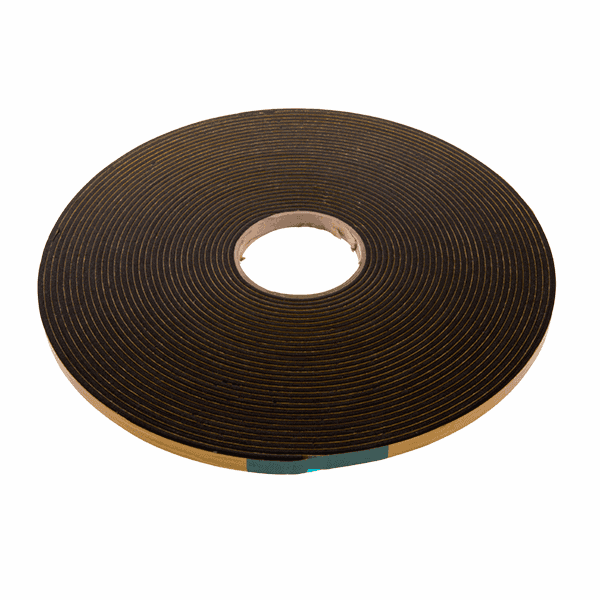
- Structural Glazing Tape - 20mm
- Security Glazing Tape
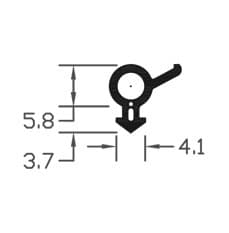
- B003 Bubble Gasket
Conclusion and next steps
A neat, secure and weatherproof letter box installation combines correct product selection, careful measuring, and appropriate methods for the door material. For trade professionals these practices reduce callbacks; for homeowners they protect against drafts and security risks. If you need more product specifications, fitting templates or example door sections, see our detailed resources at /guides/letterboxes, or contact our technical team for advice on a specific door type or project.
Products mentioned in this article
Related articles
Internal vs External Letterbox Draught Excluders: Which Works Better?
Internal vs External Letterbox Draught Excluders: Which Works Better? A letterbox is a small opening that can let in a disproportionate amount of cold air,...
How to Retrofit an Anti Arson Letterbox to an Existing Door
How to Retrofit an Anti Arson Letterbox to an Existing Door What is an anti arson letterbox and why retrofit one? An anti arson letterbox is a specialist l...
Letterbox Draught Excluder for Security: Added Protection
Letterbox Draught Excluder for Security: Added Protection A well-chosen letterbox draught excluder reduces heat loss and noise while contributing to a stro...