
Letter Box Security: Preventing Fishing and Lock Manipulation
Letter Box Security: Preventing Fishing and Lock Manipulation Letter box apertures are a common weak spot in external doors. Opportunist thieves can use si...
Letter box apertures are a common weak spot in external doors. Opportunist thieves can use simple tools to fish for keys or manipulate locks through a slot; homeowners and trade professionals need practical, reliable ways to reduce that risk. This post covers effective hardware, installation guidance and maintenance tips for securing a letter box without compromising postal access or the door’s thermal performance.
Why letter box security matters
A protruding hand or a long hook passed through a letter plate can reach internal locks or snag keys left in hallways. Even if a burglar cannot physically open the door immediately, fishing can obtain keys or permit lock manipulation that allows entry later. For flats and houses alike, correcting this vulnerability is a low-cost improvement that provides strong crime prevention benefits and peace of mind.
Common fishing and manipulation methods
- Fishing with wire, coat hangers or purpose-made hooks to retrieve keys or pull thumbturns.
- Using long flat tools to lift latch mechanisms or depress internal handles.
- Passing slim implements to manipulate euro cylinder thumbturns or to access mail for identity theft.
- Attempting to identify weaknesses around the plate edge to prise or widen the opening.
Hardware solutions: what to fit
Choose solutions that suit the door type: timber, composite, PVC-U or metal. A layered approach is best: block direct access through the slot, then strengthen locks and surrounding hardware.
- Internal letter box cage or collection box: A welded steel or plastic-lined cage fixed to the inside face prevents fingers or hooks reaching beyond the aperture. These are ideal for timber and composite doors.
- Anti-fishing plates and baffles: Internal plates with slanted baffles direct mail downwards; tools cannot gain a straight line to the lock. Stainless steel plates of 1.5–2mm thickness are common for security use.
- Secure letter plates with integrated internal hood: Choose plates with inward-facing hoods and brush seals to reduce sightline and reach.
- Offset letter boxes or external collection units: Installing an external box or converting to a through-door collection system removes need to reach through the door entirely.
- Reinforced lock hardware: Fit multi-point locks, anti-snap euro cylinders, reinforced escutcheons and lock shields to reduce the benefit should fishing succeed.
- Security screws and fixings: Use stainless steel coach bolts or tamper-resistant security screws where accessible; avoid short, fragile screws that are easily kicked out.
DIY installation guidance
Homeowners can perform many upgrades but should work methodically and choose products suitable for the door construction. If uncertain, consult a competent tradesperson or the door manufacturer.
- Measure first: Check the internal reveal and measure from the top and bottom of the aperture so any internal cage or baffle sits flush without impeding the flap.
- Choose the right fixings: For timber doors use long wood screws that engage solid timber; for metal doors use coach bolts or self-tapping metal screws with washers; for composite doors follow the manufacturer's instructions to avoid compromising seals and cores.
- Seal and finish: Apply a bead of waterproof sealant around the inner plate to prevent drafts and water ingress. Fit brush strips or foam seals to close small gaps.
- Test reach: Before final fixing, use a wire rod to simulate fishing; ensure the cage or baffle prevents any tool from reaching the handle or lock area.
- Avoid overcutting: When enlarging an internal collection box, keep cuts neat and support the edges to maintain door rigidity.
Trade professional considerations
For installers and locksmiths, pay attention to door leaf construction and compliance standards. Upgrading a letter box without assessing the door can reduce thermal and fire performance or void warranties.
- Check core materials: Composite doors often have foam or timber cores; use appropriate anchors or backing plates to ensure fixings hold under shear load.
- Specify materials: Use corrosion-resistant stainless steel for security plates in coastal locations; 1.5–2mm thickness provides a good balance of strength and formability.
- Use threaded inserts or backing plates: Where fixings pass through thin metal, back up with internal plates or inserts to prevent pull-through under attack.
- Maintain clearances: Ensure baffles do not prevent mail delivery; test with a range of common envelope sizes to avoid complaints from postal services.
- Record work: Note the door and hardware specifications so future contractors know what has been fitted; this is important for insurance and compliance records.
Complementary security measures
Letter box hardware works best alongside other measures that reduce opportunity and increase detection:
- Move key storage away from the front door; use a secured internal cabinet or key safe fixed out of reach of the letter box.
- Install a door viewer or external CCTV aimed at the front entrance to deter opportunist thieves.
- Upgrade to high-security locks: multi-point locks and anti-snap cylinders reduce the value of keys or manipulation.
- Use door chain or restrictor when you need to open the door to speak to callers; be mindful that some chains can be defeated and consider more robust restrictor options.
- Signpost mail handling: Display a small notice asking post to be left in a secure box if supplied; consider Royal Mail redirection for extended absences.
Testing and maintenance
Regular checks keep the security measures effective. Inspect fixings and seals annually or after any attempted break-in.
- Check for loosened screws, corroded plates or torn seals; retighten or replace as needed.
- Run a fishing test: pass a slender rod to confirm there is no new reach to locks after settling or paint work.
- Replace worn brush seals and reapply sealant where gaps appear.
- For communal buildings, coordinate with building management to ensure letter box upgrades meet fire-safety and postal arrangements.
Recommended Products
Based on this article, you may find these products helpful:
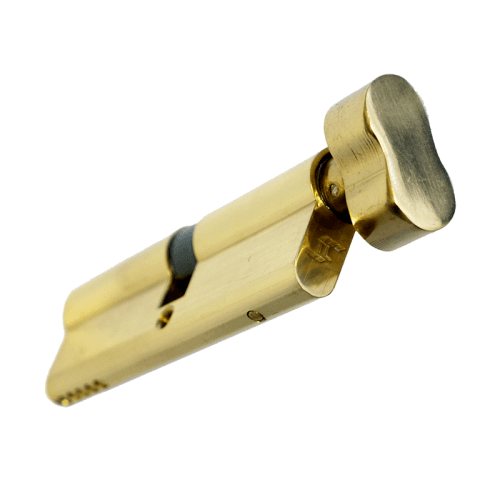
- TL Thumb Turn Euro Cylinder
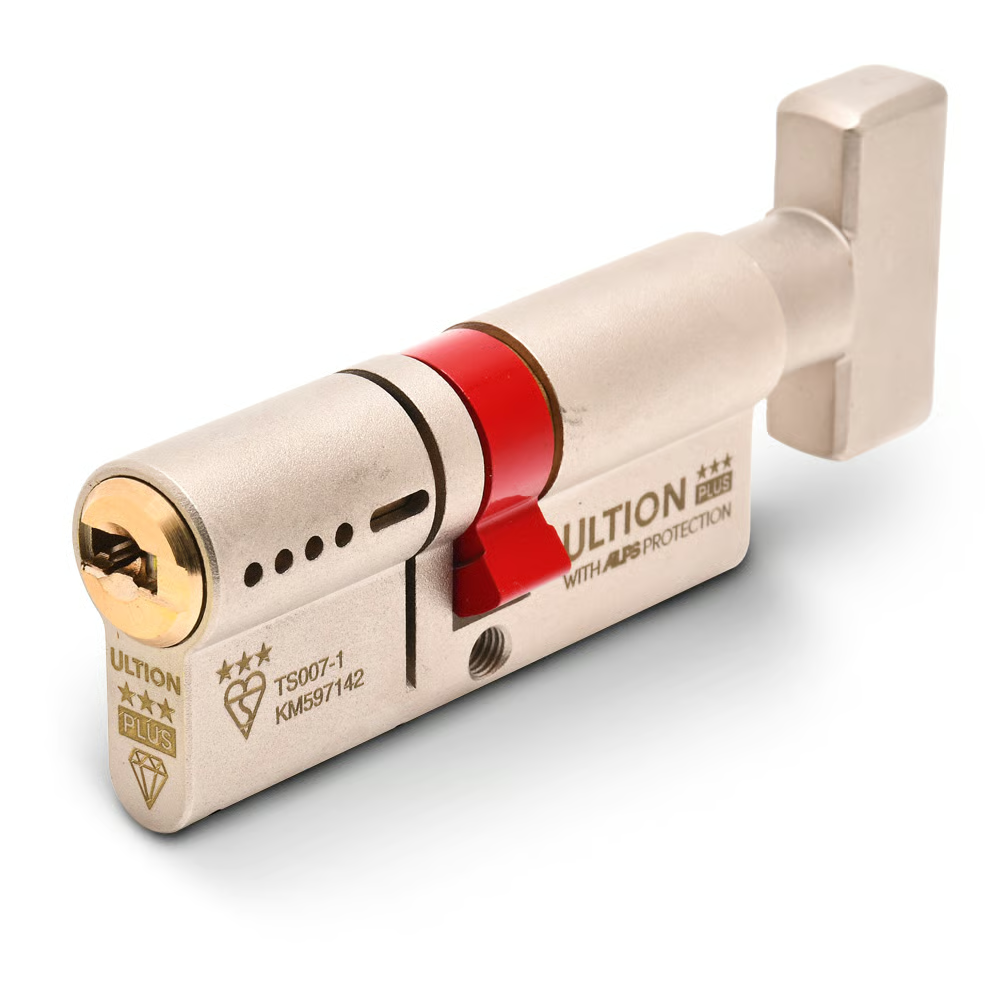
- Ultion Plus TS007 3* Kitemarked Euro Key & Turn Cylinder
- In-Line Window Mechanism
- Offset Window Mechanism
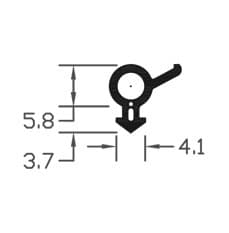
- B003 Bubble Gasket
Conclusion and next steps
Securing a letter box is a cost-effective way to reduce the risk of fishing and lock manipulation. Start by fitting an internal cage or anti-fishing baffle; follow up with strengthened lock hardware and improved fixings. For DIYers, select products suited to your door type and test thoroughly. Trade professionals should assess door construction and use backing plates or threaded inserts where appropriate.
For product selection, fitting advice and further specifications consult our dedicated resource at /guides/letterboxes or contact our trade support team for technical details and recommended kits.
Products mentioned in this article
Related articles
Internal vs External Letterbox Draught Excluders: Which Works Better?
Internal vs External Letterbox Draught Excluders: Which Works Better? A letterbox is a small opening that can let in a disproportionate amount of cold air,...
How to Retrofit an Anti Arson Letterbox to an Existing Door
How to Retrofit an Anti Arson Letterbox to an Existing Door What is an anti arson letterbox and why retrofit one? An anti arson letterbox is a specialist l...
Letterbox Draught Excluder for Security: Added Protection
Letterbox Draught Excluder for Security: Added Protection A well-chosen letterbox draught excluder reduces heat loss and noise while contributing to a stro...