
Locking Window Stays: Added Security for Casement Windows
Locking Window Stays: Added Security for Casement Windows A locking window stay is a simple, effective piece of hardware that improves the security and ven...
Locking Window Stays: Added Security for Casement Windows
A locking window stay is a simple, effective piece of hardware that improves the security and ventilation control of casement windows. For timber casements and some older metal windows, a stay provides positive restraint of the sash and can be locked in a range of positions. For UK homeowners and trade professionals, knowing the different types, correct installation and maintenance ensures the stay performs reliably and complies with safety expectations.
What a locking window stay does and where it is used
A window stay keeps a casement window open at a predetermined angle; a locking stay adds a catch or mechanism to secure that position so the sash cannot be moved by wind or forced from outside. Stays are traditionally used on outward- and inward-opening timber casements, cottage-style metal windows and some secondary sashes. Modern uPVC and aluminium casements more commonly use friction hinges or multipoint espagnolette hardware; these provide controlled opening and secure locking but are not called stays. If you are working on older timber windows or retrofitting secondary security, a locking window stay is often the correct choice.
Types of locking window stays
- Peg stays: simple bar with a row of notches and a peg that locates into a plate fixed to the frame; available with locking pegs for security.
- Cranked stays: shaped to clear architraves and allow a wider opening; can include a locking catch.
- Telescopic or friction stays: adjustable arms that can hold in any position; suitable for certain inward-opening sashes.
- Restrictor stays: limit opening to a specified width for child safety or security; some models include a keyed lock or push-button release.
- Combination stays: integrate a security lock with a restrictor function; useful where ventilation and security are both required.
Choosing the right stay for your casement window
Select a stay to match the window material, opening direction and desired security level. Consider:
- Material compatibility: timber windows work well with traditional screw-fixed stays; aluminium and uPVC may require specialist fixings or stainless-steel rivets.
- Corrosion resistance: specify stainless steel or plated finishes for coastal locations; brass or chrome for period aesthetics.
- Security rating: while stays are not a replacement for certified locks, choose locking stays with robust catches and, if required, key-lock options.
- Opening limit: pick a restrictor if you need to limit opening for safety or security; otherwise use a multi-notch stay for adjustable ventilation positions.
- Compatibility with hinges: modern friction hinges and casement stays are not interchangeable; if a window already has friction hinges, assess whether a stay is appropriate or whether hinge upgrade is preferable. See our related page on window hinges for more detail: /guides/window-hinges.
Fitting and installation: trade tips and DIY steps
Correct installation is crucial for performance. Tradespeople should follow best practice; competent DIYers can fit most stays with the right tools. General steps and tips:
- Preparation: check sash thickness, reveal depth and the opening swing to ensure the chosen stay clears architraves and external ornaments.
- Tools and fixings: drill, 2.5–3mm pilot drill bit, countersink, screwdrivers, appropriate screws. For timber use stainless steel or zinc-plated countersunk wood screws: 3.5 x 25mm for softwood, 3.5 x 30–35mm for hardwood. For aluminium or uPVC consider 4mm x 25mm pan head machine screws with nyloc nuts or rivets where recommended by the window supplier.
- Positioning: fit the stay to the inside face of the sash and a keeper plate to the frame such that, when closed, the stay lies flat without binding.
- Pilot holes: always pilot for hardwood to avoid splitting; a hole equal to the core diameter of the screw is typical. Countersink screws where needed so heads sit flush.
- Alignment: loosely fit screws first, check operation across the full range of travel then tighten progressively. Do not over-tighten screws; this can distort the stay and cause binding.
- Securing: use threadlocker on metal-to-metal fixings in coastal or high-vibration areas; ensure keyed locking stays are tested with the key and that the lock bolt engages fully.
Maintenance and servicing
Longevity depends on regular inspection and care. Carry out these checks annually or after severe weather:
- Check all fixings for tightness; replace any corroded screws with stainless equivalents.
- Lubricate pivot points and locking mechanisms with silicone spray or light machine oil; avoid heavy grease which can attract dust.
- Inspect the keeper plate for deformation; a bent plate can prevent full engagement and reduce security.
- Test operation across the full range of notches or positions; replace stays that show excessive play, bent arms or worn locks.
Security considerations and compliance
Locking stays add resistance against casual forced entry and can provide controlled ventilation; however, they should form part of a holistic security approach. Advice:
- Combine stays with a secure sash lock or multipoint system where appropriate; stays are complementary rather than primary locks.
- For emergency escape windows, ensure the stay does not prevent rapid egress; select quick-release restrictors if the opening is an escape route for fire safety compliance.
- If upgrading security for a rental property or a listed building, consult relevant regulations and, when necessary, fit certified hardware to meet insurance or local authority requirements.
Recommended Products
Based on this article, you may find these products helpful:
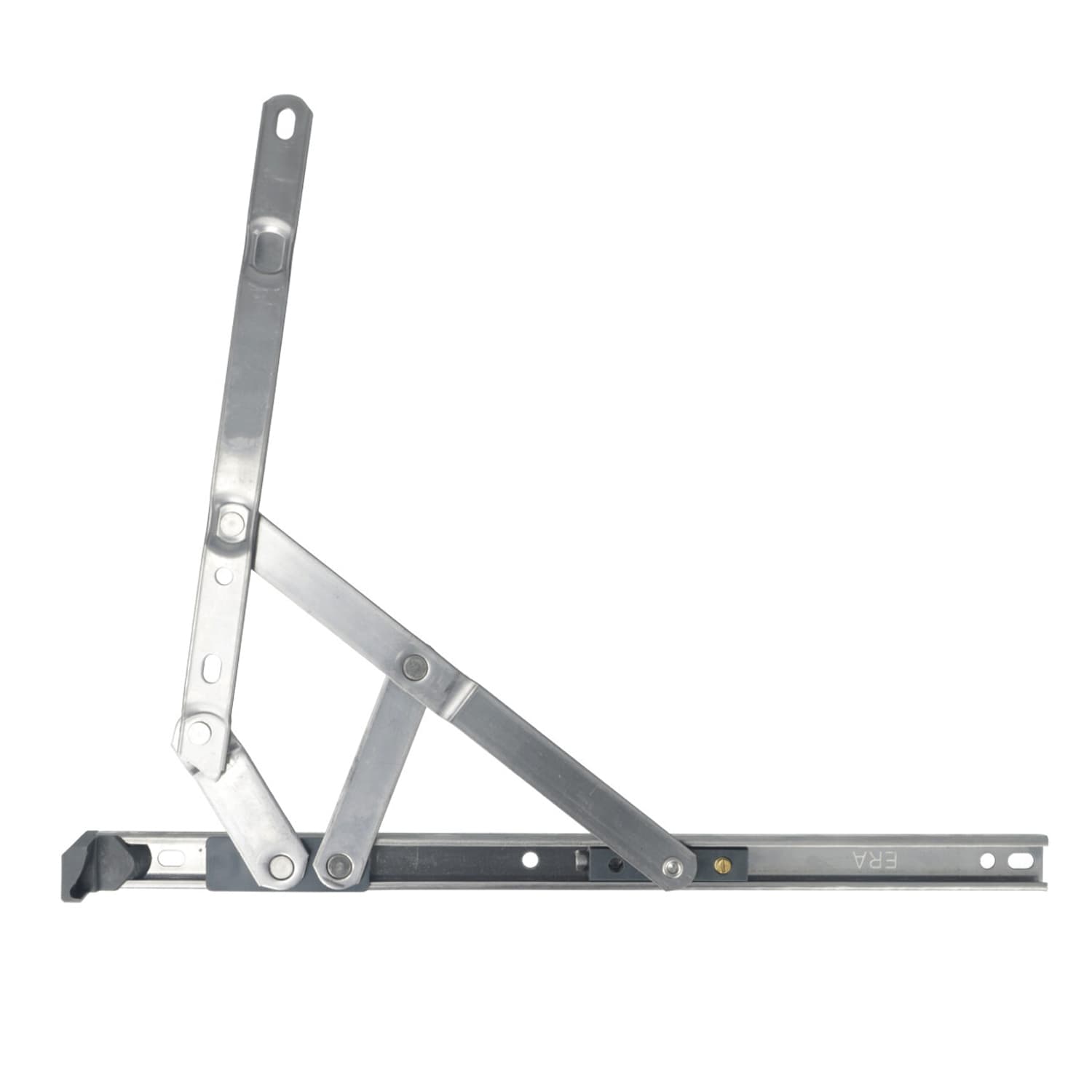
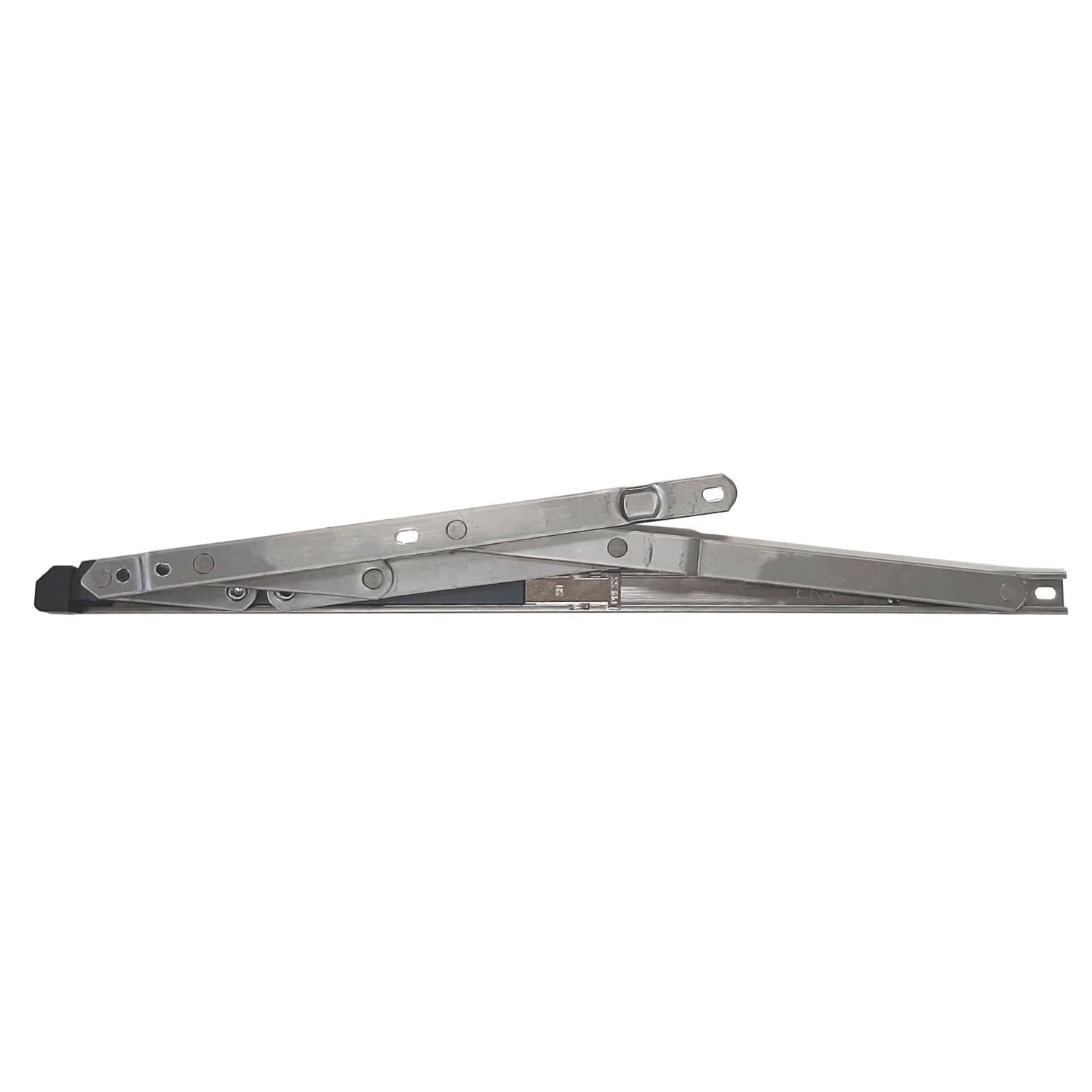
- Top Hung Friction Stay - 12"
- ERA Egress (Fire escape) Friction Stay
- TSS Standard Friction Stays – 13mm & 17mm Stack Height
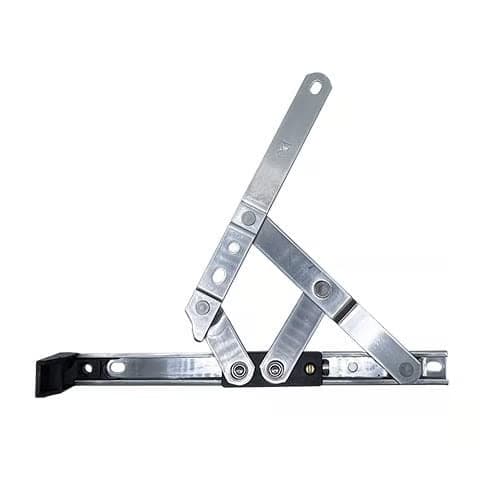
- Restricted Friction Stay Hinges
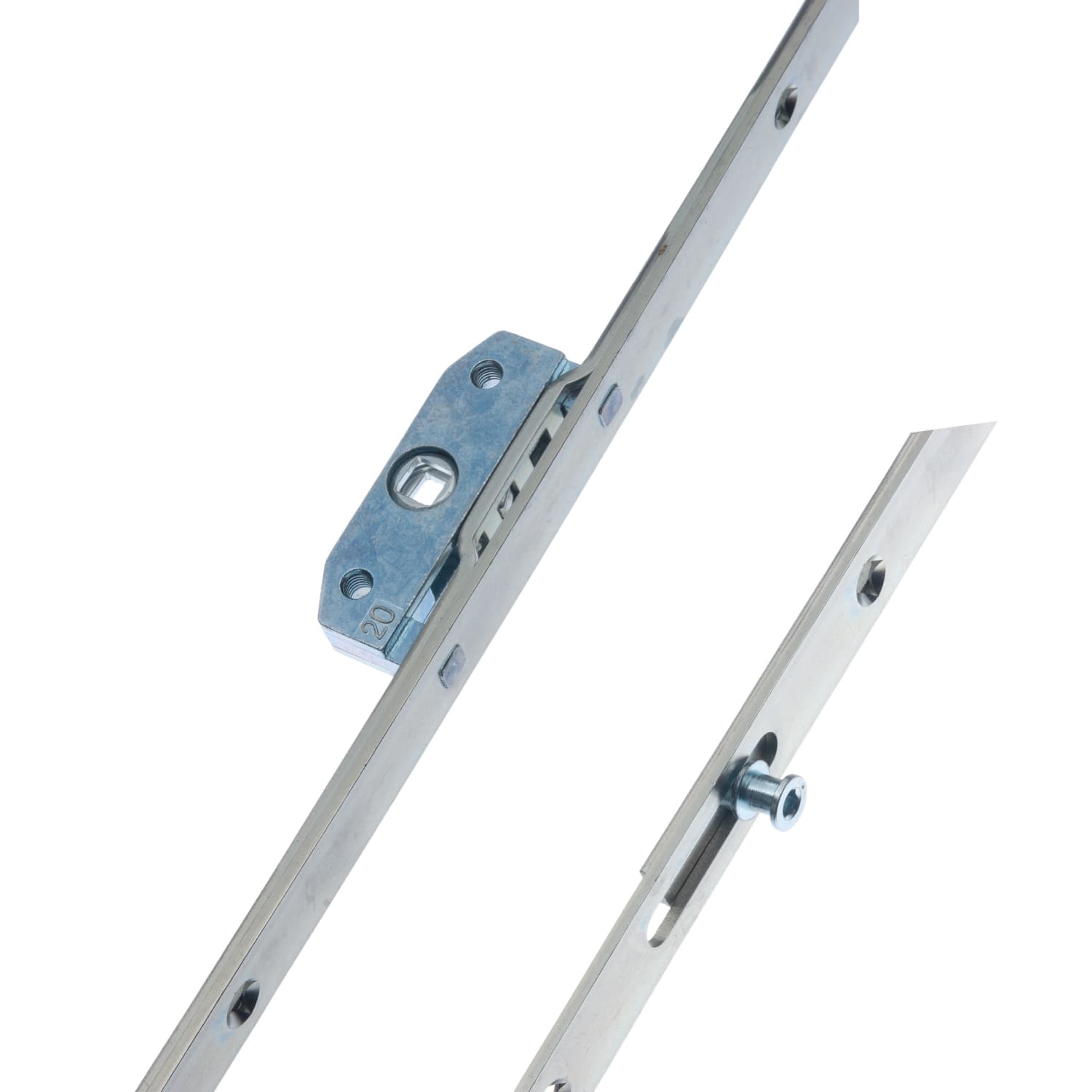
- ERAB Espagnolette Window Lock Universal Lock Replacement
Conclusion and next steps
Locking window stays are a straightforward, cost-effective way to increase the security and usability of casement windows, particularly timber and traditional metal frames. For tradespeople, selecting the correct type, material and fixings and installing to best practice ensures long-term reliability. For DIYers, careful measurement, correct pilot holes and the right screws will give a safe result.
Next steps: check the type of hinge on your window and measure sash depth and reveal; choose a stay rated for your environment and finish; contact Window Hardware Store for product options, technical datasheets and trade support if you need help specifying or sourcing fixings.
Related articles
Period Window Stays: Heritage Options for Older Properties
Period Window Stays: Heritage Options for Older Properties Older properties often require hardware that respects traditional appearance while providing mod...
Replacing Old Window Stays: Finding Matching Hardware
Replacing an old window stay can restore functionality, security and appearance to a worn casement. Whether you are a joiner, a glazing contractor or a dil...
How to Replace Friction Hinges on uPVC Windows
How to Replace Friction Hinges on uPVC Windows Overview Friction hinges are the most common operating mechanism on uPVC casement windows in the UK. They al...