
Magnetic Letterbox Covers: Are They Effective?
Magnetic Letterbox Covers: Are They Effective? Magnetic letterbox covers are a popular retrofit solution for reducing draughts, noise and dust entering thr...
Magnetic Letterbox Covers: Are They Effective?
Magnetic letterbox covers are a popular retrofit solution for reducing draughts, noise and dust entering through a door’s letterplate. For UK homeowners and tradespeople, understanding how they perform, where they are appropriate and how to fit them correctly will determine whether they are a practical addition or merely a temporary fix. This article examines performance, installation, trade considerations and alternatives to help you choose the right letterbox draught excluder.
How magnetic covers work
A magnetic letterbox cover typically comprises two parts: a flexible cover with an internal magnetic strip and a corresponding metal plate or magnet on the opposite side of the letterplate. When the cover is aligned over the aperture it adheres magnetically to form a seal. Materials vary from PVC and fabric with foam cores to stainless steel housings with neoprene seals; the sealing effectiveness depends on the material, magnetic strength and how closely the cover conforms to the letterbox edges.
Performance: draughts, noise and insulation
As a letterbox draught excluder, magnetic covers are effective at reducing direct airflow through the aperture. They can:
- Cut noticeable draughts in older doors where the letterplate gap is large.
- Provide modest acoustic improvement by blocking direct sound paths.
- Reduce ingress of dust and insects when fitted internally.
However, they are not a substitute for addressing the door or frame if those elements are the primary source of heat loss. Energy savings are limited because the letterbox typically represents a small fraction of the total door area; sealing it helps, but improving door insulation or replacing the door will have a greater impact on U-values.
Where magnetic covers are suitable
Magnetic covers are best suited to internal use or on secure, well-maintained external doors where:
- The letterplate is a standard passive flap rather than a secure, multi-point sealed unit.
- The door material accepts magnetic adhesion or a metal backing plate can be fitted behind the aperture.
- Fire integrity is not compromised; see the fire door note below.
They are particularly useful for rented properties, temporary measures on renovation sites and for draught-sealing older timber doors where minimal modification is required.
Fire doors and regulations
Do not fit non-certified magnetic covers to fire doors. Any alteration to a fire door or its ironmongery may invalidate the fire rating and the door’s compliance with building regulations. For fire doors you must use a certified fire-rated letterplate or a purpose-made fire-rated letterbox cover installed in accordance with the manufacturer’s instructions. If working on a block of flats or an HMO, check the management or landlord requirements before fitting anything to a communal door.
Security and practical considerations
Magnetic covers can improve privacy by blocking the view through a letterplate, but they are not a security device. A magnetic cover on the inside will not prevent fishing or forced entry through a weak letterplate. If security is a priority, consider a secure letterplate with an internal cage or a combined anti-snap letterbox solution. For external installations, choose corrosion-resistant finishes; stainless steel or powder-coated aluminium resist weathering better than plain steel or fabric alone.
DIY installation: step-by-step
For tradespeople and competent DIYers, fitting a magnetic letterbox cover can be straightforward. Typical steps:
- Measure the letterplate aperture: note width, height and any bevel or recess depth.
- Choose a cover sized to overlap the aperture by at least 10–15 mm on each side to ensure a good seal.
- Select materials: for external doors pick a stainless or powder-coated option with an EPDM or neoprene seal; for internal use a foam-backed PVC is usually sufficient.
- Prepare the surface: clean paint, dust and grease with isopropyl alcohol; lightly abrade varnished timber to improve adhesion if using adhesive fixings.
- Trial-fit the cover to ensure the postman’s flap operates freely and letters will still clear the magnet when delivered.
- Fixing: permanent options include countersunk screws into the door or metal backing plate; many magnetic covers use high-bond tape or magnetic attraction to a steel plate on the opposite face. If using adhesive, clamp or hold in position until fully cured.
- Seal external edges with a small bead of silicone if you want weatherproofing; avoid over-sealing if the letterplate needs to drain.
Trade tip: when screwing into hollow or thin doors, use a backing plate or timber strip behind the aperture to spread load and avoid pull-through. Pre-drill pilot holes to the correct diameter for the screw shank to prevent splitting laminated or veneered surfaces.
Common pitfalls and how to avoid them
- Incorrect size: a cover that is too small will not seal; measure twice and choose a larger overlap when in doubt.
- Weak magnets: cheap magnets allow leakage and flap movement; opt for stronger magnets or magnetic strips designed for building use.
- Interfering with delivery: ensure the cover opens easily when letters are pushed through; test with a standard envelope before final fixing.
- Damaging finishes: some adhesives pull paint; use non-permanent fixing if you need to preserve the door finish or are fitting in a rental.
Alternatives to magnetic covers
- Brush seals fitted inside the letterplate: good for draught reduction and do not require magnetic parts.
- Insulated letterplate or letterbox baffle: provides better thermal performance and acoustic reduction for permanent installations.
- Replace the whole letterplate with a sealed, weather-rated unit: a more costly but long-term solution that can be specified for external doors and fire doors when certified.
Costs and specification notes
Magnetic covers are generally inexpensive compared with a full letterplate replacement. Expect basic internal covers to be low cost, with stainless or bespoke solutions increasing the price. Specify materials appropriate to the environment: EPDM or neoprene seals for durability, marine-grade fixings for coastal locations and stainless steel for high-use doors. For trade orders, catalogue the aperture dimensions and door type to avoid returns.
Recommended Products
Based on this article, you may find these products helpful:
- E-Type Gasket - Black 5m Roll
- E-Type Gasket - Black (Per Metre)
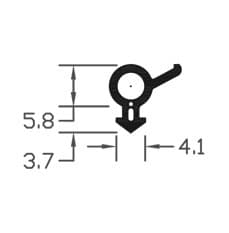
- B003 Bubble Gasket
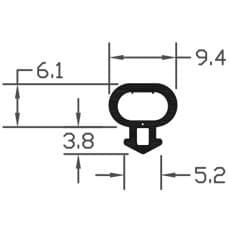
- B004 Bubble Gasket
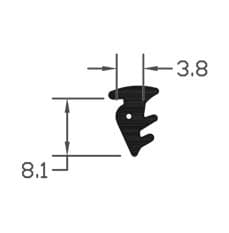
- SYS2 Wedge Gasket
Conclusion and next steps
Magnetic letterbox covers are an effective, low-cost letterbox draught excluder for many situations; they reduce draughts, block dust and improve privacy. They are not a universal solution: check fire door status, security requirements and whether a permanent replacement would be more appropriate. For DIY installs, measure accurately, use suitable materials and follow the fitting steps above. Tradespeople should consider backing plates and correct fixings for longevity.
Next steps: assess your door and letterplate type, review the relevant section on our pillar page for letterbox products and fittings at /guides/letterboxes, and choose a magnetic cover or sealed replacement that meets your performance and regulatory needs.
Products mentioned in this article
Related articles
Internal vs External Letterbox Draught Excluders: Which Works Better?
Internal vs External Letterbox Draught Excluders: Which Works Better? A letterbox is a small opening that can let in a disproportionate amount of cold air,...
How to Retrofit an Anti Arson Letterbox to an Existing Door
How to Retrofit an Anti Arson Letterbox to an Existing Door What is an anti arson letterbox and why retrofit one? An anti arson letterbox is a specialist l...
Letterbox Draught Excluder for Security: Added Protection
Letterbox Draught Excluder for Security: Added Protection A well-chosen letterbox draught excluder reduces heat loss and noise while contributing to a stro...