
Must-Have Glazing Tools for Emergency Window Repairs
Must-Have Glazing Tools for Emergency Window Repairs Broken or failed glazing can be stressful whether you are a trade professional called out to an emerge...
Must-Have Glazing Tools for Emergency Window Repairs
Broken or failed glazing can be stressful whether you are a trade professional called out to an emergency or a homeowner dealing with a smashed pane late at night. Having the right glazing tools to hand helps you make a safe, effective temporary repair and, where possible, carry out a permanent fix. This post covers essential tools and trade tips for timber, aluminium and uPVC windows, plus practical DIY guidance to keep your property secure until a full repair can be completed.
Essential safety kit
Safety is the first priority when handling glass: sharp edges and heavy panes can cause serious injury. For any emergency glazing work you should carry:
- Safety goggles that wrap round the eyes;
- Cut-resistant gloves or chainmail gloves for handling broken glass; leather gloves for general handling;
- Steel-toe boots on site jobs;
- High-visibility jacket and hard hat when working from ladders or near roads;
- Dust sheets and tarpaulins to protect flooring and furnishings;
- First-aid kit and a clear plan for disposing of glass safely.
Glass removal and handling tools
Removing broken glass safely and getting an intact panel out without damaging the frame requires the right glazing tools:
- Glass suction cups: essential for lifting intact panes, especially in larger sash and casement windows; use at least two for medium to large panes;
- Glazing knife and putty knives: for cutting out old putty or silicone and prising off glazing beads;
- Oscillating multi-tool with a cutting blade: speeds bead removal in stubborn uPVC or timber frames; use controlled cuts to avoid damaging the frame;
- Cold chisel or small masonry chisel: for removing hardened putty from timber rebates; take care not to gouge the frame;
- Glass cutter and straight edge: for scoring and snapping replacement glass on site where appropriate; only use for single glazing or small replacement pieces;
- Glass pliers and nibbling tools: for clean removal of small broken fragments.
Sealing, bedding and fixing supplies
Once the glass is in or temporarily secured, correct bedding and sealing keeps water and wind out. Carry these glazing tools and consumables:
- Glazing points: available in steel or brass; for timber sashes use small points spaced approximately 100 to 150mm apart depending on pane size;
- Butyl glazing tape: for bedding sealed units; it provides a weatherproof bed for double-glazed units;
- Neutral cure silicone or specialised glazing sealant: for sealing beads and external rebates; choose a paintable product for timber;
- Sealant gun: choose a robust one for trade use; a pressure-r relief model reduces wastage;
- Backer rod: for wide gaps over 6mm prior to sealing; ensures correct joint depth and reduces sealant use;
- Glazing beads or snap-in beads suitable for uPVC systems: keep a selection of common profiles for emergency replacements.
Temporary repair kit for emergencies
When an immediate replacement is not possible, a temporary repair can secure the property and reduce heat loss. Include these items in an emergency kit:
- Exterior-grade plywood or hardboard cut to size for boarding up; fix with screws for a secure temporary cover;
- Clear glazing tape or strong gaffer tape for small fractures to hold fragments together and reduce draughts;
- Clear polythene sheeting and double-sided tape or sealing tape: quick, lightweight temporary glazing that keeps weather out but will allow condensation;
- Foam wedges and packers: to support a temporary pane and keep it central in the rebate;
- Emergency double-sided butyl tape and temporary beads: useful for securing a replacement single sheet until a sealed unit is ordered.
Tools for sealed units and uPVC windows
Double-glazed sealed units (IGUs) and uPVC systems require specific attention. A failed sealed unit cannot be resealed on site; you must replace the unit. However, these glazing tools will help with assessment and temporary measures:
- Butyl removal tool and scrapers: to take off old butyl without damaging the frame;
- Measuring tape and digital calipers: to measure sightline, rebate depth and unit thickness accurately when ordering replacements;
- Heat gun: useful for softening old sealant in uPVC but use low heat and avoid prolonged heating near seals or gaskets;
- Rubber gaskets and replacement beading: keep common profiles for quick bead changes on casement or tilt-and-turn windows;
- Access to a sealed-unit supplier or glass workshop: you will normally need to order a bespoke IGU with the correct spacer width and glass specification.
Practical trade advice and DIY guidance
Follow these practical steps whenever you carry out an emergency glazing repair:
- Assess the frame first: if the frame is structurally damaged, boarding up and calling a specialist is safer than attempting a pane replacement;
- Work from the inside out where possible: clear glass fragments outwards to avoid projecting shards into occupied rooms;
- When fitting new glass, ensure the glass is bedded on a continuous sealant or butyl bed; use packers to set the sightline and then secure with glazing points or beads;
- For external sealant joints use a neutral cure silicone that will not discolour metal or react with polyurethane foams; keep joint width consistent and use backer rod for deep joints;
- When replacing an IGU, measure visible sightlines and rebate depths precisely; order the sealed unit and fit it with a continuous butyl bed for long-term weather resistance;
- If you are a homeowner unsure about replacing a sealed unit, use a temporary cover and contact a registered glazier; attempting to re-seal a delaminated IGU is rarely effective.
Buying and maintaining your glazing tools
Invest in quality glazing tools: a well-made sealant gun, robust suction cups and a good glazing knife make on-site repairs quicker and safer. Keep consumables like butyl tape and glazing points in a weatherproof kit box. Regularly inspect and replace worn blades and damaged suction cups; a split cup can drop a heavy pane and cause injury or further damage.
Recommended Products
Based on this article, you may find these products helpful:
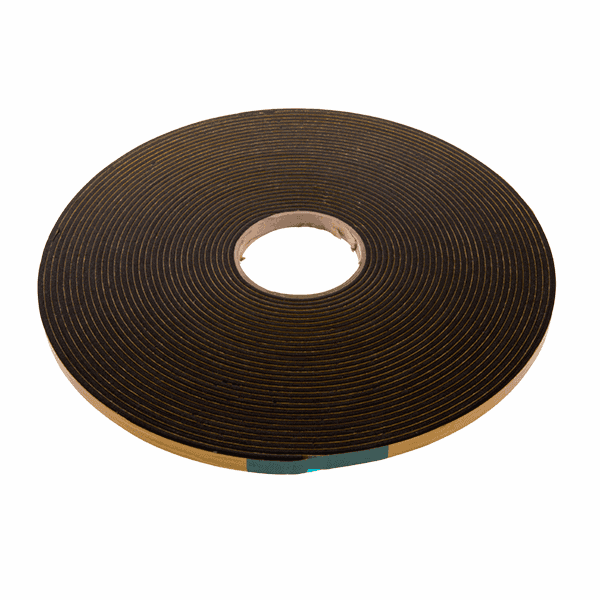
- Structural Glazing Tape - 20mm
- Security Glazing Tape
- E-Type Gasket - Black 5m Roll
- E-Type Gasket - Black (Per Metre)
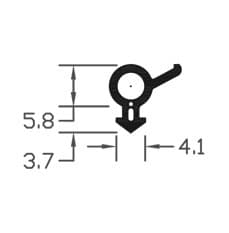
- B003 Bubble Gasket
Conclusion and next steps
Having the correct glazing tools and consumables ensures you can carry out safe emergency window repairs and temporary fixes that protect the property until a permanent solution is possible. For trade professionals, a comprehensive kit reduces call-out time; for homeowners, knowing the essentials helps you secure your home and make informed decisions when calling a glazier. For more detailed information on double glazing supplies and ordering sealed units, visit our pillar page: /guides/double-glazing-supplies. If you need help selecting glazing tools or materials for a specific window type, contact our trade counter for tailored advice.
Products mentioned in this article
Related articles
How Old uPVC Window Parts Differ from Modern Replacements
How Old uPVC Window Parts Differ from Modern Replacements Older uPVC windows fitted in the 1980s and 1990s were robust for their time, but the components u...
Glazing Tools Safety Guide: Avoiding Common Injuries
Glazing Tools Safety Guide: Avoiding Common Injuries Working with glazing tools carries a real risk of cuts, crushed fingers and slips when handling panes ...
How to Maintain Your Glazing Tools for Longer Life
How to Maintain Your Glazing Tools for Longer Life Whether you are a trade glazier or a DIY homeowner replacing a pane, well‑maintained glazing tools save ...