Parliament Hinge Finishes: Matching Your Door Furniture
Parliament Hinge Finishes: Matching Your Door Furniture Parliament hinges are a practical and traditional choice for doors that need to open clear of archi...
Parliament Hinge Finishes: Matching Your Door Furniture
Parliament hinges are a practical and traditional choice for doors that need to open clear of architraves, casements or obstructions. Choosing the correct finish is not only an aesthetic decision; it affects durability, maintenance and compatibility with other door furniture. This post covers common finishes, technical considerations for trade and DIY, and practical tips for matching your hinge finish to the rest of the door hardware.
What is a parliament hinge and when to use one
A parliament hinge is a type of wide-throw hinge with leaves that project the door further away from the frame than a standard butt hinge. That extra projection allows the door to clear architraves, tiles, or other fittings; it is commonly used on French doors, outward-opening external doors, and internal doors where a full 180 degree swing or clearance is required. Parliament hinges are available in surface-mounted, mortice and pack hinge variants, and in plain pin, ball-bearing and security-pin options for varying load and security requirements.
Common finishes and where to use them
- Polished Chrome: Bright and reflective; suits contemporary properties and modern hardware. Prone to showing fingerprints; use on doors where appearance is a priority and cleaning is regular.
- Satin/Brushed Chrome or Satin Nickel: Softer sheen; hides minor scratches and fingerprints well. A good choice for high-traffic doors and kitchens.
- Polished Brass (lacquered): Traditional look with low maintenance while the lacquer remains intact; ideal for period properties and formal entrances.
- Unlacquered Brass: Will patina naturally; chosen for an authentic, antiqued appearance. Requires occasional polishing if a bright finish is desired.
- Antique Brass / Aged Bronze: Intentionally aged finishes that suit heritage or cottage styles; little maintenance required and will hide wear.
- Stainless Steel (satin or polished): Highly durable and corrosion-resistant; recommended for external doors and coastal locations.
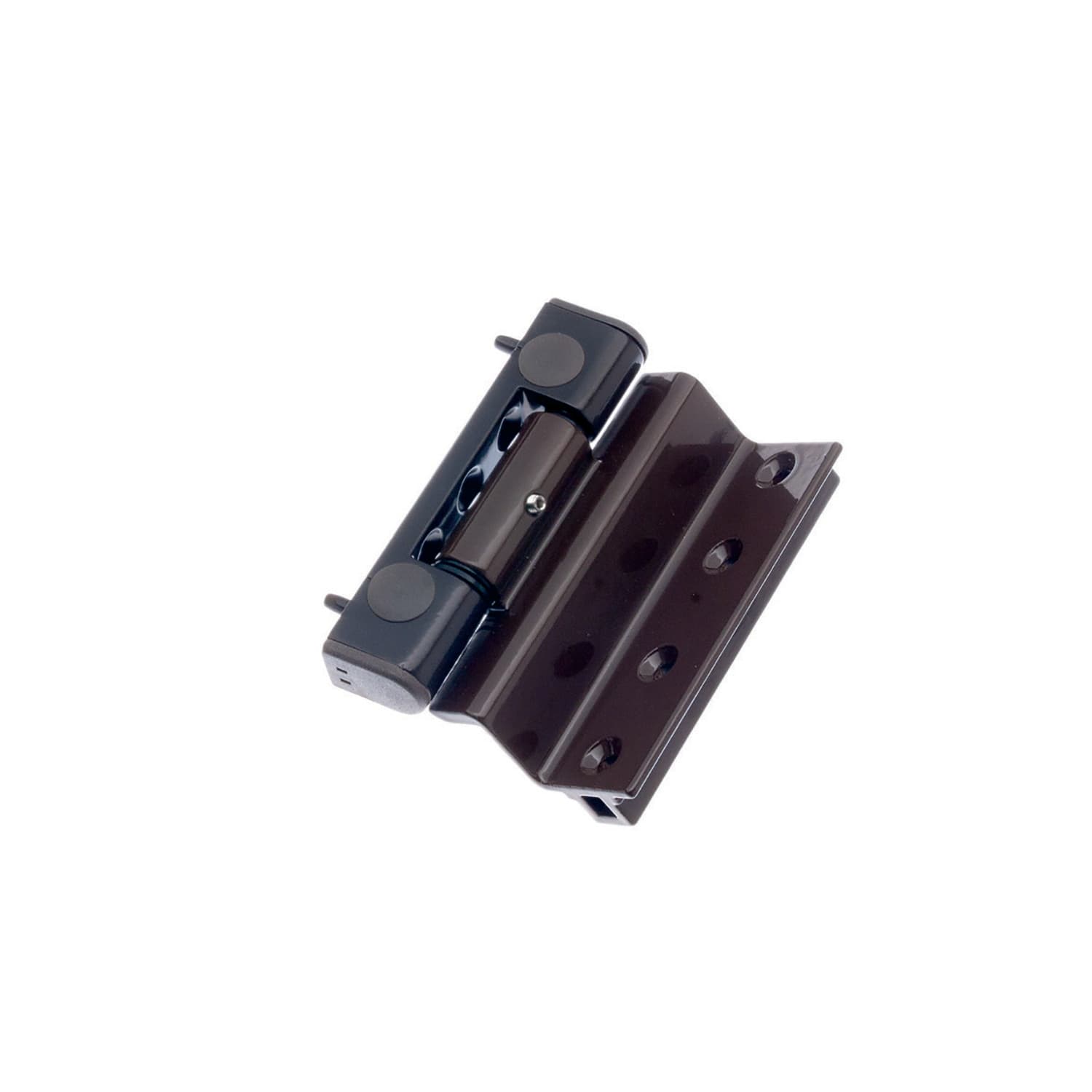
- Black Powder-Coated or Textured Finishes: Popular on modern or rustic designs; powder coating gives excellent abrasion resistance but chips will show base metal beneath.
- PVD and Specialised Coatings: Physical Vapour Deposition (PVD) gives durable, corrosion-resistant finishes in brass, bronze and black hues; suitable for high-end projects and long-life performance.
Practical trade advice: selecting the right finish and material
For trade professionals specifying parliament hinges, consider the following factors in addition to finish: the door weight and width, frequency of use, exposure to weather, and security requirements. Use ball-bearing or heavy-duty 4-knuckle parliament hinges on doors heavier than 30kg or on commercial doors; standard 3-inch hinges are fine for light internal doors.
- For external doors choose stainless steel or PVD-finished brass to resist corrosion; lacquered brass can discolour if scratched or exposed to moisture frequently.
- On outward-opening doors use security-pin or non-removable-pin hinges to prevent hinge-pin removal from outside.
- Specify long wood screws (60mm plus) into the frame to transfer load to the structural timber; use security screws where exposed to potential tampering.
- Check compatibility with fire doors: not all parliament hinges are suitable for fire-rated doors; consult the door manufacturer and relevant standards before use.
- Lead times: specialised finishes such as PVD or bespoke colours may have longer lead times and minimum order quantities; confirm finish codes and samples before ordering for site projects.
DIY installation and maintenance tips
For competent DIYers installing parliament hinges, the following steps and tips will help achieve a professional result:
- Measure and mark: establish the correct backset and reveal so the door clears the frame. Use a level and mark hinge positions on both door and frame; typical positions are 150mm from top, 150mm from bottom and centrally for a third hinge on heavy doors.
- Mortice or surface mount: most parliament hinges need a shallow mortice; use a router or chisel to cut clean recesses so the leaves sit flush. If surface-mounting, ensure the door and frame are square and use packers where necessary.
- Screw selection: use countersunk countersunk screws supplied or specified; for external doors use longer screws to fix into solid timber behind the frame. Pre-drill pilot holes to prevent splitting.
- Security and outward-opening doors: fit hinges with non-removable pins or use security dog bolts; for outward-opening doors ensure hinge fixings are tamper proof from the outside.
- Adjustment and lubrication: fit all hinges loosely first, hang the door and adjust for even reveals, then tighten screws. Lubricate moving parts with light machine oil or a specialist hinge lubricant; avoid heavy greases that attract dust.
- Maintenance by finish: clean stainless and chrome with a mild detergent and microfibre cloth; avoid solvents and abrasive pads on lacquered or PVD finishes. Lacquered brass should not be polished aggressively; unlacquered brass can be polished if a bright finish is preferred.
Matching finishes across door furniture
Consistent hardware finishes give a coordinated look and reduce the risk of components clashing over time. Consider these practical rules:
- Match the hinge finish to the most visible external piece: handle, letterplate or knocker. If the hinges are visible from both inside and outside, choose a finish that complements both interior and exterior schemes.
- For mixed metals use two tones maximum: for example, satin nickel on hinges with polished brass handles can work if connected by a neutral element such as black ironmongery or a timber tone.
- Keep a sample board on-site for clients to see how finishes age under real light and weather conditions. This helps prevent disappointment with lacquered versus unlacquered brass, or differences between powder coat and electroplate.
- Specify finish codes and supplier references on job sheets; this reduces the chance of mismatched batches when reordering components.
Recommended Products
Based on this article, you may find these products helpful:
- Top-Hung Window Hinge - Standard
- Side-Hung Window Hinge - Standard
- Flag Door Hinge - Stainless Steel
- ERA Challenger 3D Rebated Hinge
- Challenger Door Hinge
Conclusion: next steps
Choosing the right parliament hinge finish is part practical decision and part aesthetic choice; consider durability, maintenance and how the finish coordinates with your door furniture. For trade professionals: confirm load ratings, security options and compliance for fire doors where applicable, and order samples for client approval. For DIYers: measure carefully, prepare accurate mortices or packers and use appropriate fixings for security and longevity.
To compare hinge types and get more technical information on hinge selection see our pillar resource: /guides/door-hinges. If you need help selecting finishes or ordering matching sets contact Window Hardware Store for samples and technical advice.