PAS24 vs Standard Door Handles: What's the Difference?
Introduction: If you're specifying or fitting door furniture for domestic or light-commercial properties, understanding the difference between a PAS24 door handle and a standard door handle is essenti...
Introduction: If you're specifying or fitting door furniture for domestic or light-commercial properties, understanding the difference between a PAS24 door handle and a standard door handle is essential. This guide explains what a pas24 door handle is, why it matters for security compliance, and how it differs from regular handles in terms of testing, design, and installation. It is written for tradespeople while remaining accessible to enthusiastic DIYers.
What is a PAS24 door handle?
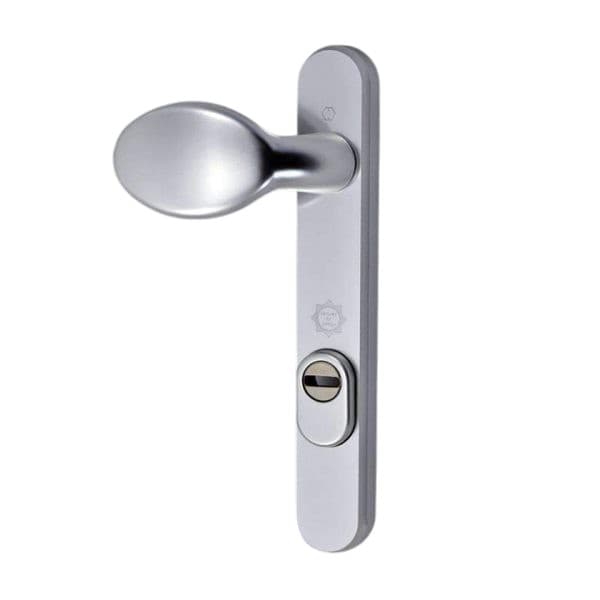
A pas24 door handle refers to a handle that forms part of a door assembly meeting the PAS 24 testing standard for enhanced security performance. PAS 24 is a UK specification for doors and windows that specifies resistance to attack; a pas24 door handle will either be a handle tested as part of the door set or be classified as suitable for use on PAS 24-compliant doors. The focus is on resistance to lever attack, thumb-turn manipulation, and forced entry methods commonly used by opportunist intruders.
How PAS24 testing differs from standard testing
Standard door handles are typically tested to basic functional or durability standards; PAS24 testing is far more rigorous and scenario-based. Key differences include:
- Scope: Standard handles are usually assessed for mechanical strength and longevity; pas24 door handle components are assessed as part of an entire door assembly under simulated attack conditions.
- Test methods: PAS 24 includes manual attack tests, impact tests, and attempts to bypass locks and handles using tools; standard tests often omit these security-focused procedures.
- Certification: A pas24 door handle will be part of documentation showing compliance with PAS 24 for the whole door; a standard handle rarely carries that same level of documented security compliance.
Practical implications for specifying and fitting
Choosing a pas24 door handle affects specification, installation, and the final performance of the door. Consider these practical points on site:
- Door set vs component: PAS24 certification applies to the complete door assembly; a pas24 door handle should be compatible with the certified door. If you replace a handle on a certified door, ensure the replacement maintains the required security performance.
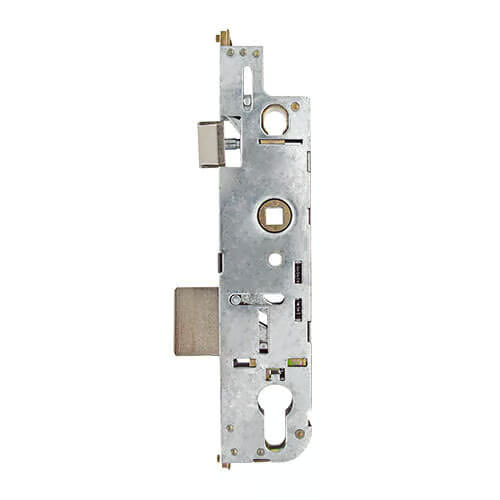
- Lock compatibility: Many pas24 door handle designs are matched with specific multipoint locks or cylinders. Confirm compatibility with the lock supplier and with the door's certification paperwork.
- Screw and fixings: PAS24-compliant fittings often require security fixings or reinforced backplates. Use the correct screw lengths and materials as specified to avoid undermining the overall security.
- Thresholds and seals: A pas24 door handle is only one part of the security equation; ensure the frame, hinges, and thresholds are installed to the same standard to maintain the PAS24 rating.
Design, functionality and user considerations
Beyond security performance, tradespeople and end users care about usability, durability and aesthetics. Comparing pas24 door handle options with standard handles:
- Durability: pas24 door handle designs are tested for repeated use and resistance to forced manipulation; this often means more robust materials and internal mechanisms compared with some standard handles.
- Accessibility: Look for handles that meet disability access requirements while still contributing to PAS24 performance. A pas24 door handle can also be designed for easy grip, compliant height and reduced twist torque.
- Finish and corrosion resistance: PAS24-compliant handles are available in a range of finishes; ensure the chosen finish suits the environment, especially in coastal locations where corrosion is a concern.
- Keying and locking: Where handles form part of a locking solution, a pas24 door handle will support secure cylinder options and anti-snap features; standard handles may allow less secure cylinder choices.
Installation tips for tradespeople
Correct installation preserves the PAS24 performance. Follow these trade-focused steps when fitting a pas24 door handle:
- Refer to the certificate: Always consult the PAS24 certificate and the manufacturer's installation instructions before starting work; this ensures you do not invalidate the rating.
- Use specified fixings: Use the recommended screws and security fixings; shorter or non-security screws can compromise resistance to lever attack.
- Check alignment: Ensure the handle and lock keep are aligned to prevent premature wear; misalignment can reduce the handle's mechanical resistance and function.
- Secure the frame and hinges: Tie the handle installation into the overall installation by checking frame fixings and hinge reinforcement; a weak frame negates a robust pas24 door handle.
- Test fully: After fitting, perform live checks: operate the handle and lock, test multipoint engagement, and check for smooth operation under load.
When to specify a PAS24 door handle
Specify a pas24 door handle in these scenarios:
- New builds where building regulations or planning conditions require enhanced security.
- Renovations where doors are part of a new certified door set or where insurance requires PAS24 compliance.
- Commercial or rental properties where higher resistance to forced entry is desirable to reduce liability and insurance premiums.
- Any property in a high-risk area where the homeowner or client wants demonstrable enhanced security.
Conclusion: Understanding the difference between a pas24 door handle and a standard door handle ensures you specify and fit the right product for the job. A pas24 door handle contributes to a tested, demonstrably more secure door assembly; however, correct compatibility, installation and attention to the whole door set are vital to keep that performance. For tradespeople, the best practice is to follow certification documents and manufacturer guidance closely; DIY enthusiasts should consult a professional if unsure. Choosing the right pas24 door handle and installing it correctly gives clients a tangible security upgrade and peace of mind.
Recommended Products
Based on this article, you may find these products helpful:
Part of our guide:
Complete Guide to Door Handles