Replacement Cockspur Window Handles: Step Heights and Wedges
Replacement cockspur window handles are a common DIY and trade replacement. Matching the correct step height and wedge size ensures smooth operation, a snu...
Replacement cockspur window handles are a common DIY and trade replacement. Matching the correct step height and wedge size ensures smooth operation, a snug fit and secure locking. This article explains what step heights and wedges are, how to measure them, common pitfalls and clear, actionable steps for fitting replacement window handles for homeowners and tradespeople.
What are step heights and wedges?
Step height refers to the distance from the base of the handle spindle or mounting plate to the top of the spigot that engages the keep on the frame. Wedges are small plastic or metal shims inside the handle mechanism that position the spigot correctly and prevent the handle from binding. Both elements determine whether a replacement handle will engage the striker/keep correctly and operate without rubbing or excessive play.
Why accurate measurement matters
Incorrect step height or an incompatible wedge can result in:
- Handles that do not fully engage the lock.
- Excessive lever movement before engagement, making the window insecure.
- Binding that can damage the handle, keep or espagnolette mechanism.
- A poor appearance due to misalignment.
Measuring step height: a simple procedure
Tools required: tape measure or ruler, pencil, note of the handle model if available.
1. Close the window and set the handle in its neutral position. 2. Measure vertically from the top of the frame (or the top of the handle backplate reference point) to the top of the spigot or the point that engages the keep. Record to the nearest millimetre. 3. If the handle is worn or the spigot damaged, measure from the underside of the handle base to the top of the spigot and note both dimensions. 4. Measure door/frame thickness where the handle seats, as some handles are designed for specific profiles.
Common UK step heights typically include low, standard and high profiles — for example around 6mm, 10mm and 14mm — but always confirm against the replacement handle specification.
Identifying wedge type and position
Wedges are usually accessible by removing the handle from its backplate. Guidance:
- Remove the two mounting screws and gently pull the handle from the backplate.
- Inspect the inside of the handle where the spigot protrudes. Wedges are often small triangular or rectangular pieces set at the base of the spigot or inside the housing.
- Note whether wedges are removable, adjustable or part of a replaceable insert. Many modern handles include interchangeable inserts to suit a range of step heights.
Selecting a replacement handle
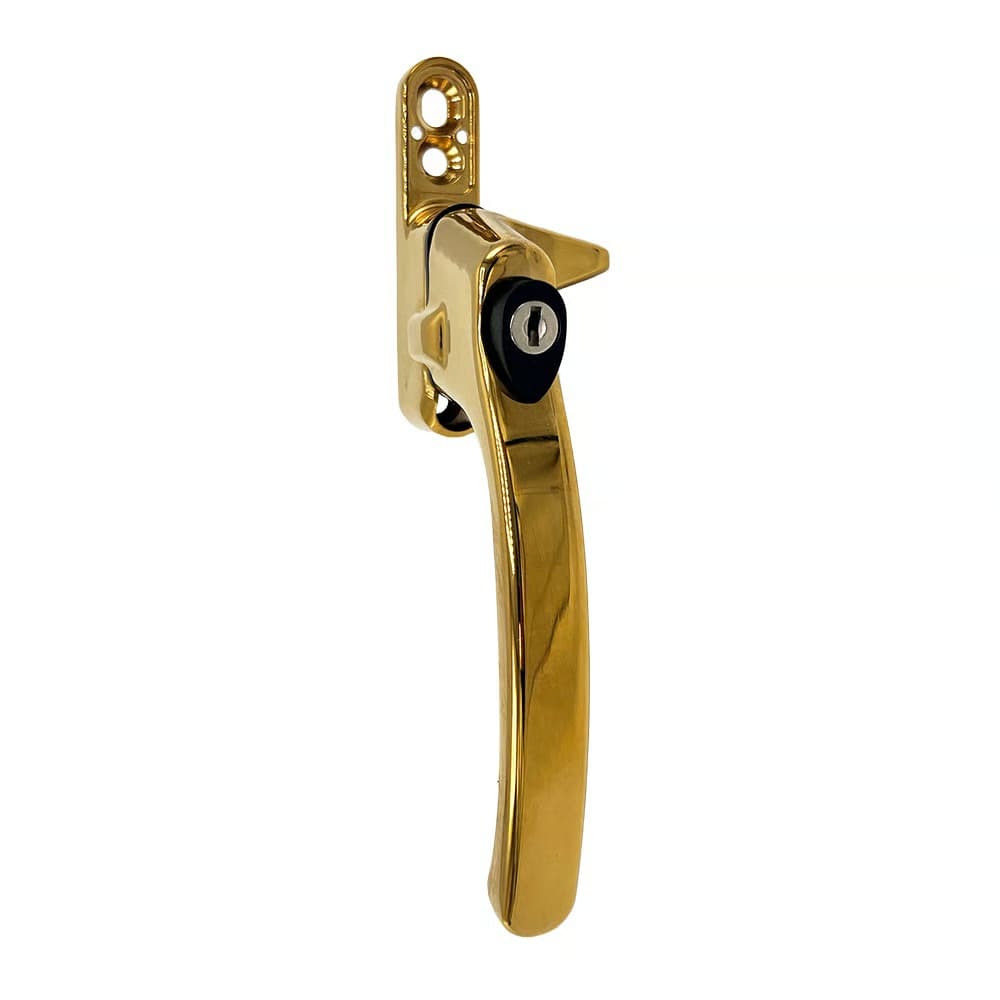
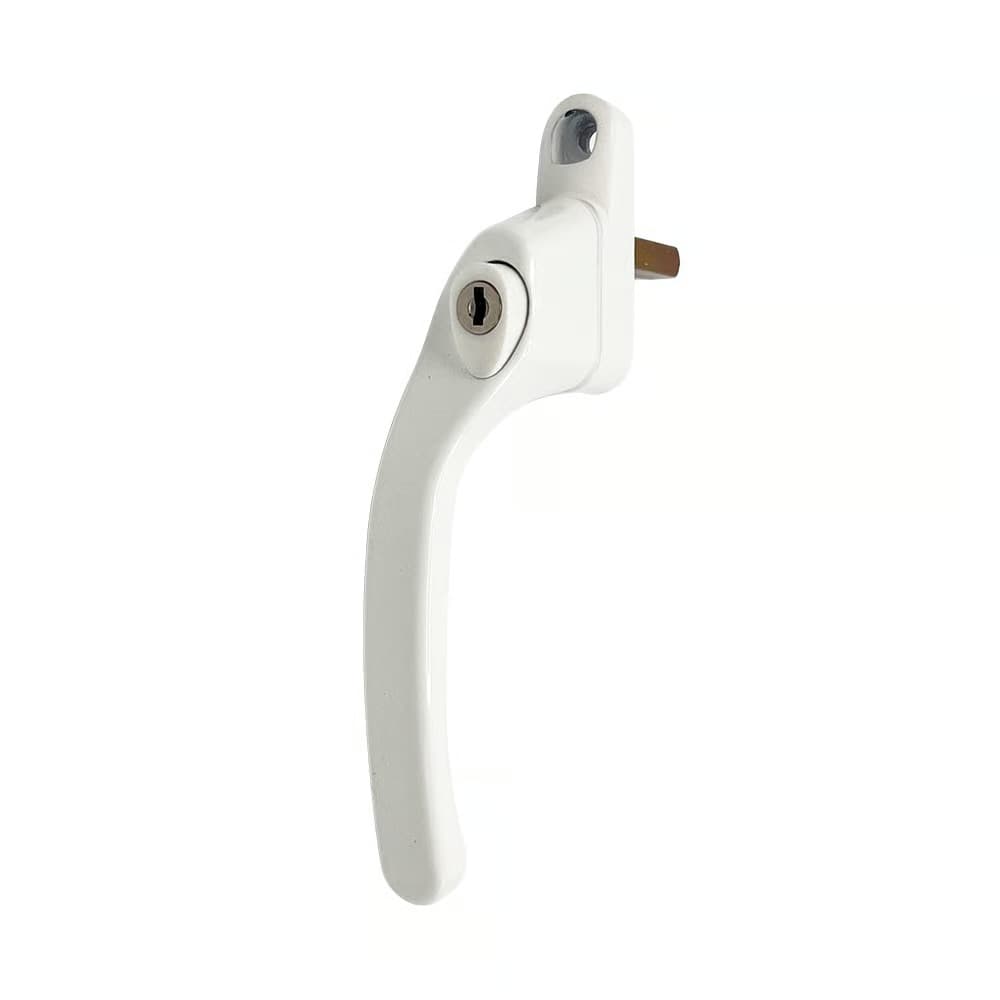
Match three things: step height, spindle length/type and mounting hole centres. For example, the TSS Cockspur Window Handle offers a range of step heights and compatible wedges suited to traditional timber and modern PVCu profiles. For a squared, modern look in popular white or chrome finishes, the TSS Offset UPVC Window Handles presents common step options and simple wedge adjustment. For some retrofit situations where an espagnolette handle is preferable, the TSS Cockspur Window Handles provides a different locking style but clear specification for step and wedge compatibility.
Always confirm that the replacement lists the measured step height and that the wedge system can replicate the original setting.
Fitting replacement handles: actionable steps
1. Prepare: Have the replacement, screwdriver, cleaning cloth and lubricant ready. Clean the area, removing old paint build-up around the keep and handle seat. 2. Remove the old handle: Unscrew mounting screws, photograph internal wedge position, and withdraw the handle. Label screws if different lengths are present. 3. Assess and adjust wedge: If the new handle includes multiple wedges or an adjustable insert, set the wedge to match the recorded original orientation and step height. Use thin shims if fine-tuning is required. 4. Test-fit the handle without fully tightening screws. Move the handle through its full travel to ensure it engages the keep without binding. 5. Fine-tune alignment: If engagement occurs too early or late, adjust the wedge position or add/remove thin shims behind the backplate. Small lateral movement can be corrected by filing or packing the keep (frame striker) slightly — only remove small amounts, testing frequently. 6. Secure: Once correct operation is achieved, tighten screws, re-test, and apply a small amount of silicone-free lubricant to the spindle if movement is stiff. 7. Final check: Close and lock the window several times, verifying that the handle returns to rest accurately and that locking is secure.
Tradespeople should retain removed wedges and small parts for clients who request original components to be returned.
Common problems and solutions
- Handle binds after installation: Check wedge position and ensure no paint or debris interferes with the keep. Slightly increase the step height with a thicker wedge or thin spacer.
- Handle free-spins without engaging: The step height may be too low; increase wedge thickness or choose a higher step replacement.
- Replacement handle sits proud or recessed: Verify mounting plate fit and screw lengths. Use original screw positions or fillers for oversize holes.
- Wrong spindle type: Some windows use a splined spindle or a particular square size. Verify the spindle specification and replace with a compatible handle rather than adapting the spindle.
Preventing future issues
Recommend periodic cleaning of keeps and a light application of silicone-free lubricant to the moving parts annually. For high-use or coastal installations, opt for corrosion-resistant finishes and stainless fixings. Keep a record of handle model and step height in maintenance documentation for quick future replacements.
Summary
Accurate measurement of step height and correct wedge adjustment are the two critical factors when choosing replacement window handles. Properly selected and fitted handles restore security, smooth operation and appearance. Tradespeople benefit from carrying a small selection of common step-height handles and wedges; homeowners benefit from careful measurement, photos and following the step-by-step fitting routine above.