Replacement uPVC Window Handles: A Quick Compatibility Checklist
Replacement uPVC window handles are a common maintenance task for homeowners and tradespeople. Choosing the correct replacement can prevent drafts, improve...
Replacement uPVC window handles are a common maintenance task for homeowners and tradespeople. Choosing the correct replacement can prevent drafts, improve security and avoid unnecessary returns. This guide provides a quick compatibility checklist and practical steps to identify the right handle, measure accurately and fit a new unit with confidence.
Identify the handle type
Start by determining which style of handle is fitted. Common uPVC window handle types include espagnolette (espag) handles used with multipoint espag locks, cockspur handles that clamp onto the window, and standard lever handles. Recognising the type narrows down compatible replacements fast.
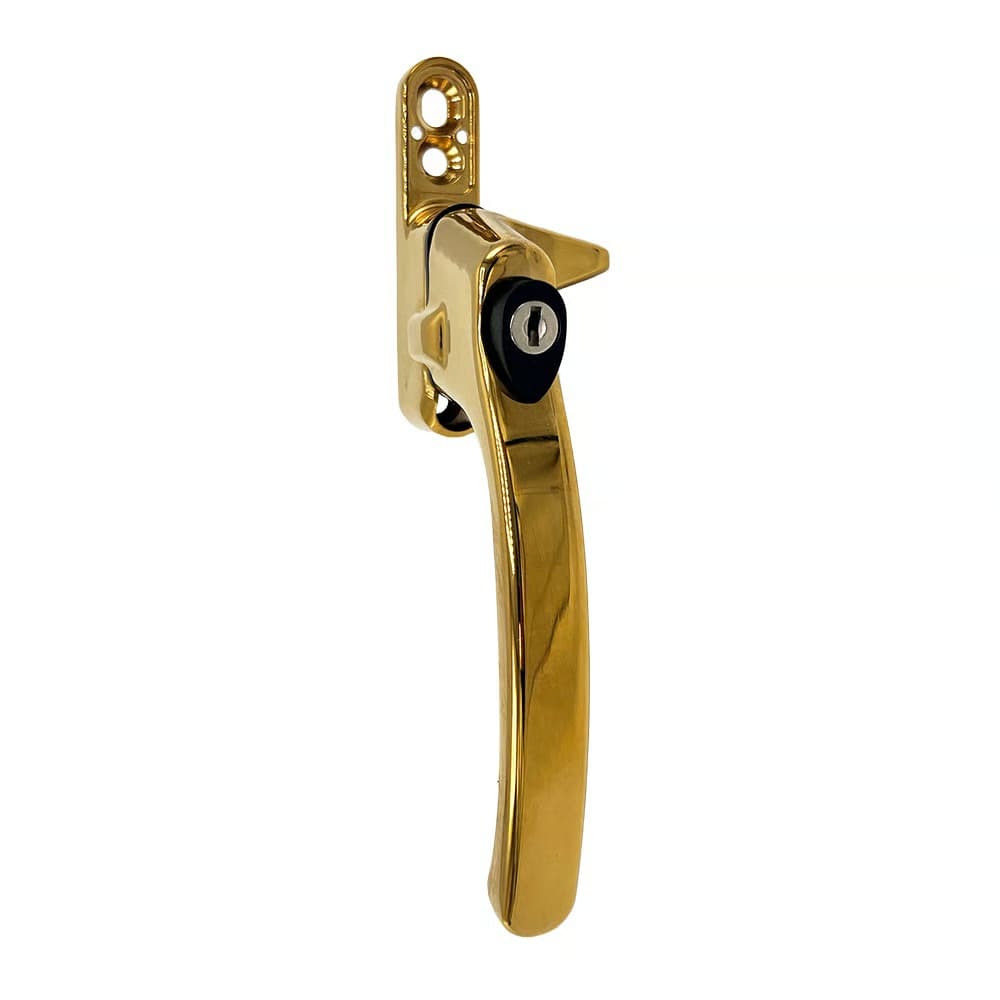
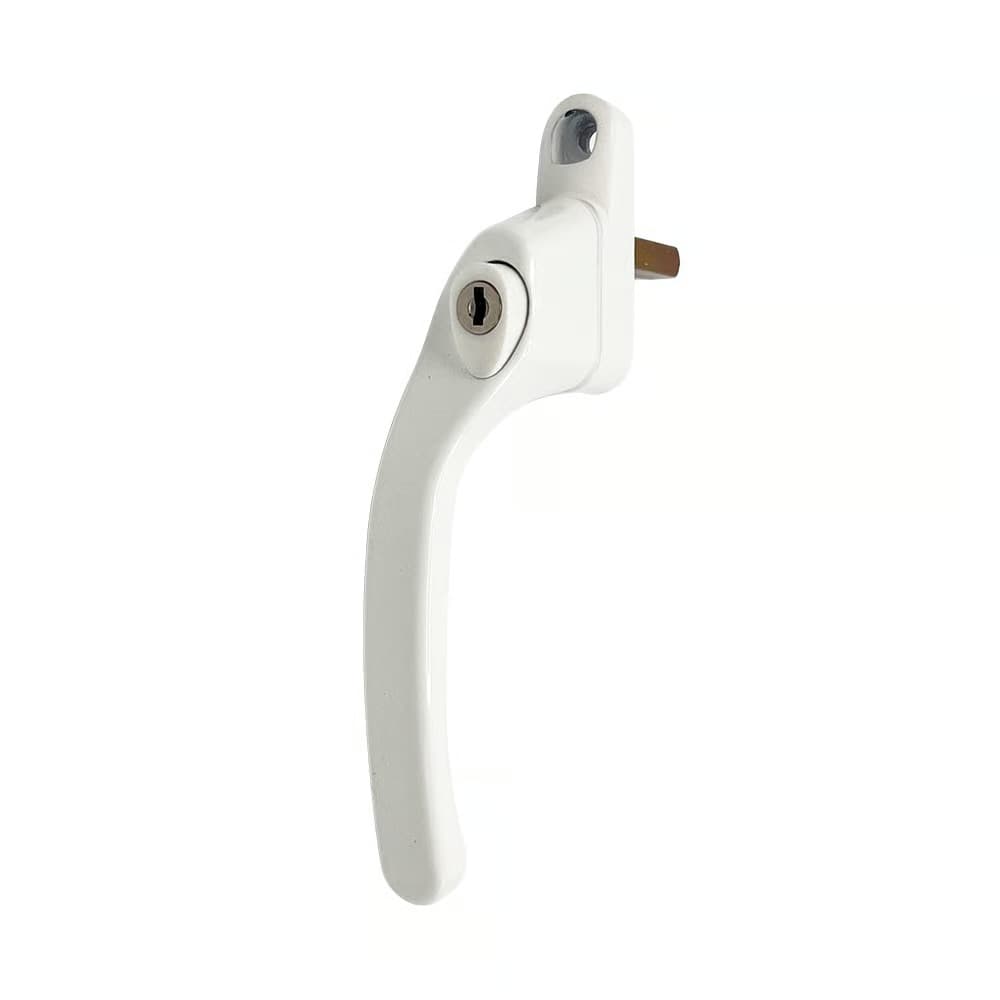
- Espag/espagnolette: Often used on casement and tilt-and-turn windows, these have a long rectangular base with fixing holes and a spindle that operates an internal locking mechanism. A typical example is the TSS Cockspur Window Handles.
- Cockspur: Sits on the sash face and engages the frame with a hook or spur. Easily identifiable by the visible spur when the window is closed; see a representative option such as TSS Cockspur Window Handle.
- Standard lever/locking handles: Common on simpler windows and some newer styles; lockable versions add a keyed cylinder or push-button lock. The TSS Offset UPVC Window Handles exemplifies a modern locking lever.
Check the lock mechanism and operation
Confirm how the existing handle operates: does it drive an espagnolette rod, rotate a gearbox, or clamp onto a frame? For espag systems, the handle operates a square spindle that turns the locking mechanism. For cockspur types, the handle movement directly moves the spur into the frame. Matching operation type is essential to ensure the new handle interfaces correctly with the existing hardware.
Measure critical dimensions
Accurate measurements are the backbone of compatibility. Use a steel rule or digital callipers and record values in millimetres.
- Backset (for espag handles): Measure from the centre of the spindle to the nearest edge of the handle rose or base. Common backsets are 7mm, 22mm and 28mm; confirm the exact dimension before ordering.
- Screw centres: Measure the distance between the centres of the fixing screws on the handle base; common centres are 43mm and 90mm. Ensure the new handle’s screw centres match to avoid drilling new holes.
- Spindle length and type: Measure the exposed square spindle length from the face of the sash to the end. Standard spindles are 7mm square but lengths vary (e.g. 25mm, 35mm). Confirm whether a split or solid spindle is required for your handle.
- Espag gearbox/rod dimensions: If the handle actuates an espag rod, measure the position of the rod relative to the handle and note any moulded adaptors or fixings.
- Handle projection and clearance: Check how far the handle projects into the room and whether it clears skirting, curtains or window treatments.
Confirm handing and orientation
Handing refers to whether the handle is left- or right-handed. For most handles, handing is determined by looking at the handle from inside the room: which way does it turn to open? Many modern handles are non-handed, but some espag and cockspur fittings are handed and must match the sash orientation.
Rhetorically, would a mismatched handed handle operate smoothly? In practice, incorrect handing can prevent full operation or create awkward motion, so check product details.
Check security features and standards
Replacement handles should meet the required security level. Lockable handles add an extra barrier against forced entry, and certain designs are tested to recognised British standards. For properties requiring enhanced security, opt for a handle with anti-bump, anti-snap features or a two-point locking mechanism. Verify whether the handle is compatible with existing multi-point locking systems.
Tools and materials needed for replacement
Prepare a basic toolkit to reduce time on site:
- Screwdrivers (PH2 and flat)
- Allen keys (for grub screws)
- Steel rule or digital callipers
- Replacement screws (stainless steel, correct length)
- A small block of wood or packing for spindle alignment
- Silicon lubricant for moving parts
- Replacement escutcheon plates or gaskets if damaged
Step-by-step compatibility and fitting checklist
1. Photograph the current handle and surrounding area for reference. 2. Identify handle type and locking mechanism; record model if visible. 3. Measure backset, screw centres, spindle size and span in millimetres. 4. Note handing and whether the handle requires a left or right orientation. 5. Check the product specification for matching measurements and operation. 6. Confirm security features and whether a lockable option is required. 7. Order one replacement handle first to test fit before buying multiple. 8. On arrival, dry-fit the handle, checking alignment of spindle and screw holes. 9. Apply light silicone lubricant to moving parts and tighten fixings to the manufacturer’s torque recommendations. 10. Test multiple open and close cycles, including the lock, to verify smooth operation.
Common compatibility issues and solutions
- Non-matching screw centres: If the new handle’s screw centres differ, a replacement backplate or spacer may resolve the issue, but avoid creating weak timber or PVC areas by over-drilling.
- Short spindle: If the spindle is too short for a thicker sash, use a longer or adjustable spindle; many handles accept standard 7mm square spindles in various lengths.
- Wrong backset: Returning the wrong backset is common. Always double-check the backset before ordering to avoid rework.
- Incompatible multipoint lock: Some espag handles are designed to work with specific gearbox shapes; consult the lock manufacturer’s documentation or choose a universal handle designed for multiple gearboxes.
Maintenance to prolong handle life
Routine maintenance reduces future replacements. Clean handles with mild detergent and water, avoid abrasive cleaners, and lubricate moving parts annually with a light silicone spray. Tighten fixings if the handle becomes loose, and replace worn spindles or fixings promptly to prevent damage to the window’s lock case.
Final procurement and testing advice
For tradespeople fitting multiple windows, keep a small stock of common handle types and spindles (7mm square, common lengths) to handle on-site replacements efficiently. For homeowners, obtain measurements and a single sample part before purchasing sets. Always test the handle through a full operating cycle with the window closed and loaded to ensure correct engagement.