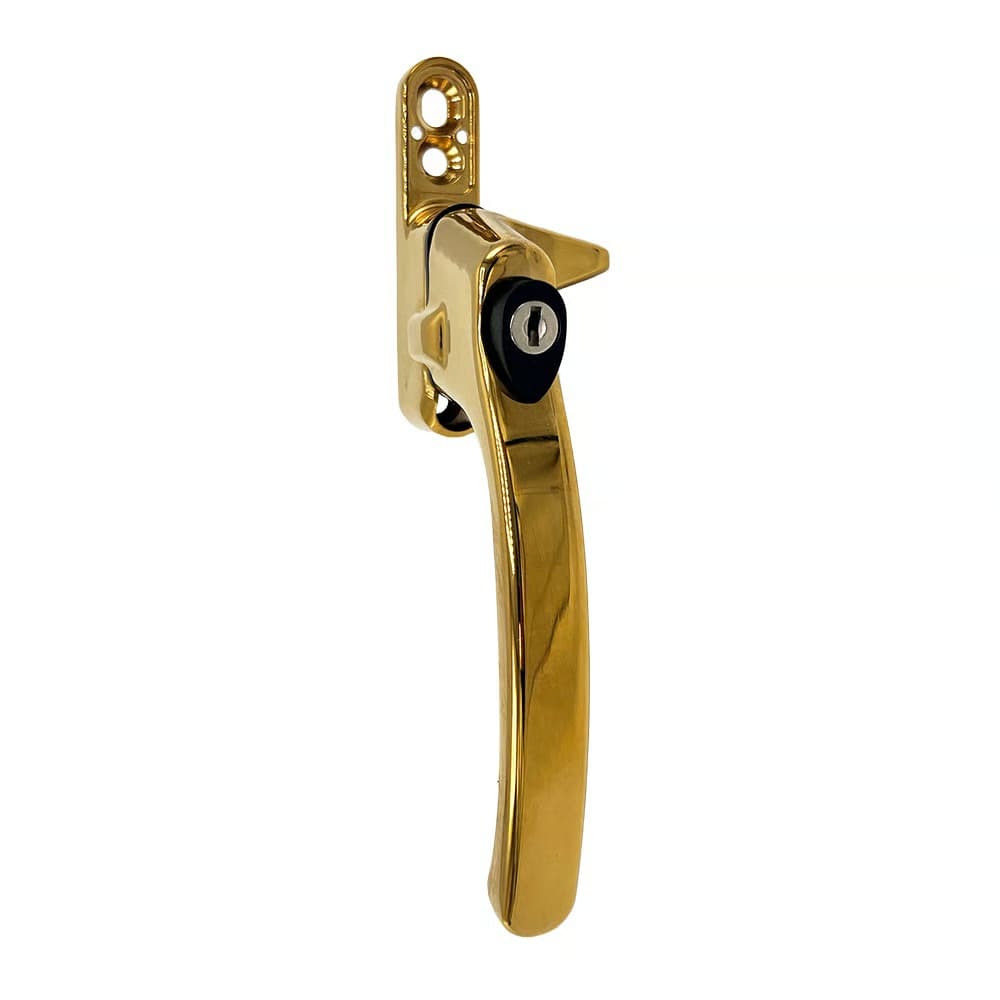
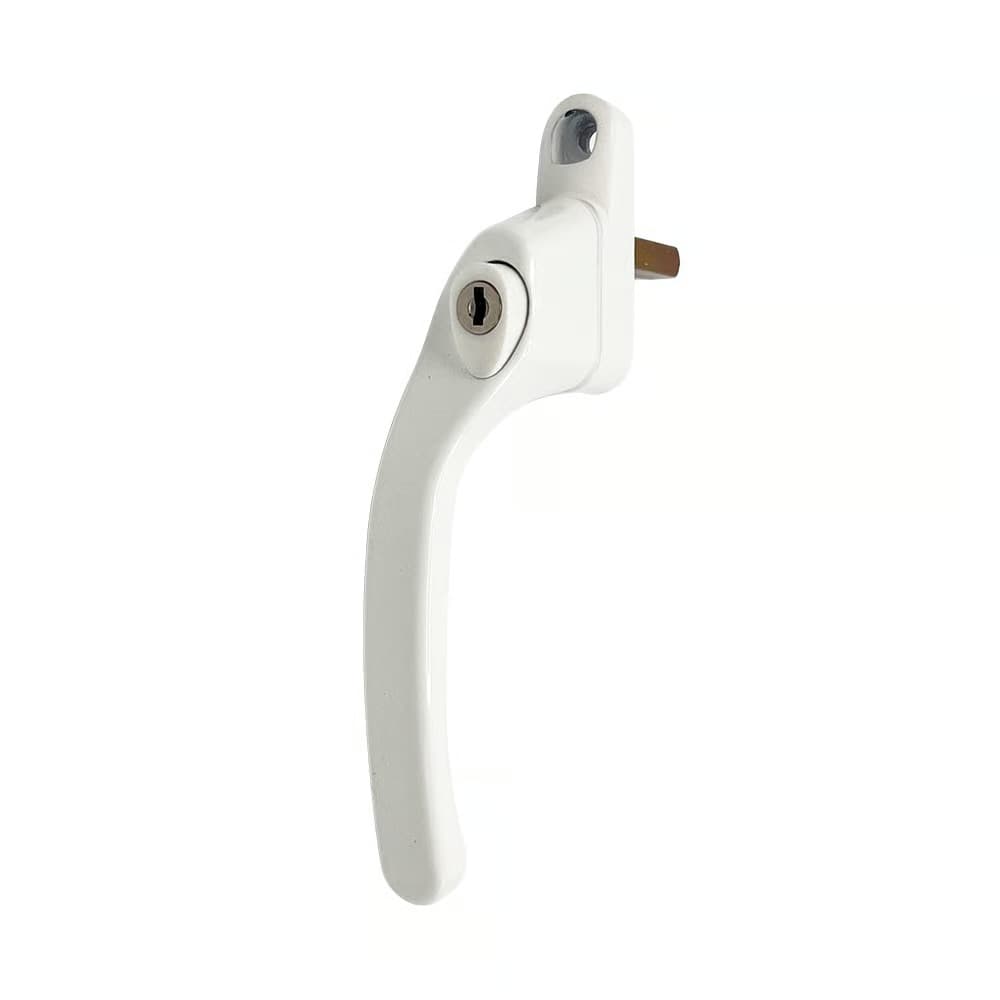
Replacement uPVC Window Handles: What “7mm Spindle” Means
Replacement uPVC window handles are one of the most common DIY fixes for sticking or broken windows. Understanding what terms like “7mm spindle” mean makes...
Replacement uPVC window handles are one of the most common DIY fixes for sticking or broken windows. Understanding what terms like “7mm spindle” mean makes the difference between a successful quick repair and an incompatible purchase. This article explains spindle sizes, handle types, fitting tips and practical checks to ensure the correct replacement upvc window handles are chosen and installed with confidence.
What “7mm spindle” refers to
The spindle is the square metal rod that projects from the window lock case and into the handle. A “7mm spindle” describes the width of that square section — 7 millimetres across each side. Spindle sizes are crucial because the handle’s internal socket must match the shaft for a secure connection. Common spindle widths for uPVC windows are 7mm and 8mm; some older or specialist hardware uses other dimensions.
Using a handle with the wrong spindle size will result in a loose or non-functioning connection. Handles can appear to fit superficially but may rotate without engaging the mechanism, leaving the window unsecure.
Identifying the handle type and fitting style
uPVC handles vary by how they attach and operate:
- Espag (espagnolette) handles are used with a multi-point locking strip in the sash; the spindle operates the gearbox of the lock. See TSS Cockspur Window Handles.
- Cockspur handles sit on the face of the frame and hook over a locking keep; they do not use a spindle into a gearbox. See TSS Cockspur Window Handle.
- Centre-lock handles (sometimes called projection handles) can have specific centre distances and use spindles of various lengths. See TSS Offset UPVC Window Handles.
Measuring the spindle correctly
Accurate measurement is essential when ordering replacement upvc window handles:
- Remove the existing handle: loosen the fixings and pull the handle off to expose the spindle.
- Measure the spindle width across the flat faces with callipers or a steel rule; round to the nearest millimetre. For square spindles, this will read as 7mm, 8mm etc.
- Measure spindle length from the face of the lock or frame to the end of the spindle. Common lengths are 25mm, 35mm, 40mm and 45mm for different backsets; some handles have adjustable or broken-off spindles so measure carefully.
- Note the handle fixing screw centres (distance between the two screws) and whether the screw heads are countersunk or raised.
Choosing material, finish and security features
Selection of material and finish matters for aesthetics and longevity:
- Aluminium and zinc alloys are common for durability and cost-effectiveness.
- Colour options include white, chrome, satin chrome, gold and black. Match new handles to existing hardware for a consistent appearance.
- Consider locking handles with cylinder keys for rooms that need additional security (children’s rooms, ground-floor openings). Check that the handle locking mechanism is compatible with the existing espag lock case.
Practical fitting steps and tools
Basic tools required: cross-head screwdriver, 4mm hex key or small adjustable spanner (for grub screws), measuring tools, and a marker. Steps: 1. Open the window and place it in a safe position to avoid movement while working. 2. Remove the old handle fixings and withdraw the handle. Keep screws in a small container. 3. Clean the area and inspect the lock case and spindle for wear. Replace the lock case if the spindle is damaged or rounded. 4. Slide the new handle onto the spindle ensuring correct orientation (up for locked down, etc.). Confirm the inner socket matches the square spindle snugly. 5. Refit the fixing screws and tighten evenly to avoid distortion. Do not overtighten plastic through-coloured trims. 6. Test operation several times, checking that the handle engages the lock and the window opens and closes smoothly.
If the spindle is too long, it can be cut back with a hacksaw, leaving a clean square end. If too short, a replacement with the correct length is needed; avoid using adaptors as they can introduce play.
Troubleshooting common problems
- Handle rotates but does not lock: the spindle may be rounded or there is an incorrect spindle size; replace spindle or handle.
- Handle moves stiffly: grease the gearbox sparingly with a light machine oil or spray a silicone lubricant into the mechanism; avoid heavy greases that attract dust.
- Fixings strip out: replace with slightly larger diameter screws or use a plastic wall plug if mounting into crumbly frames; ensure a secure but not over-tightened fit.
When to call a professional
Homeowners can replace most handles safely, but a professional is recommended when the lock case is damaged, when the window is heavy or out of alignment, or when multiple windows on a property need coordinated security upgrades. Tradespeople can diagnose worn espagnolette components and recommend upgraded multi-point systems where necessary.
Selecting the correct replacement upvc window handles using the right spindle measurement and handle type avoids wasted purchases and improves security and function. Proper measurement, suitable materials and careful fitting deliver reliable results that extend the life of the window.