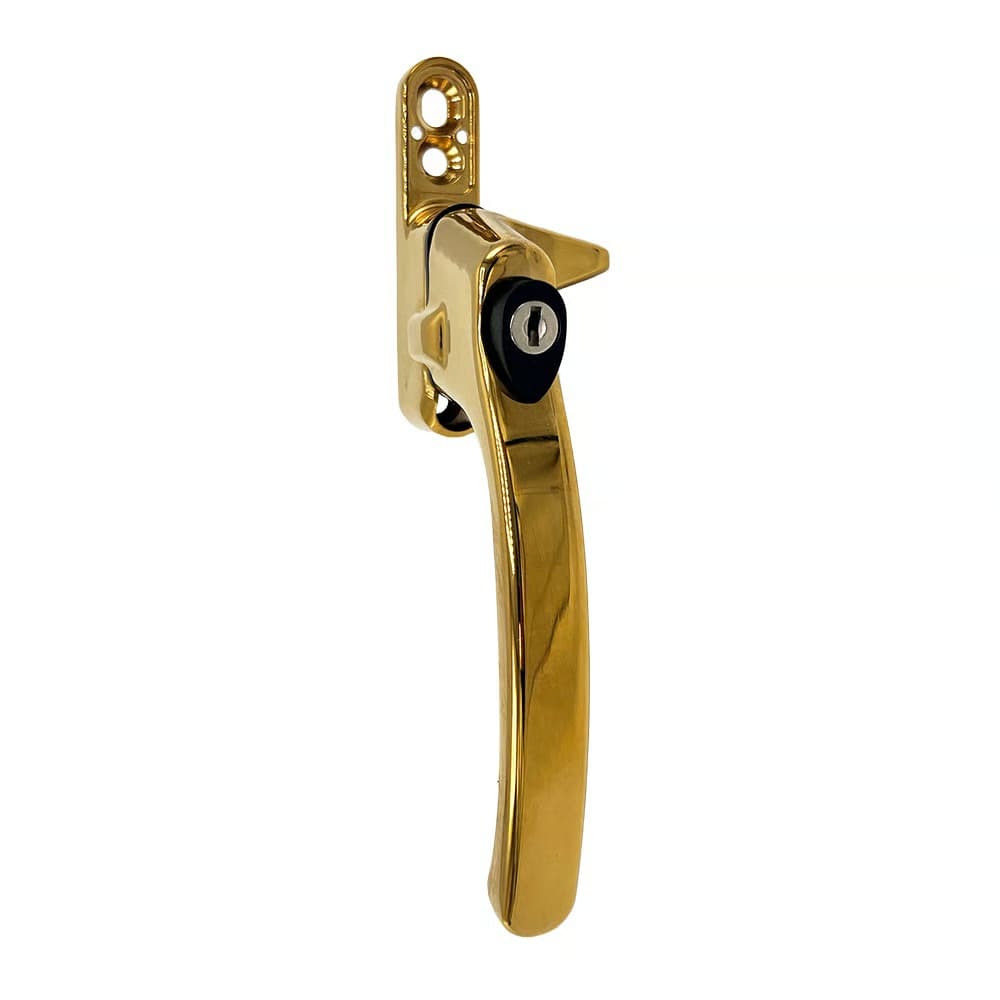
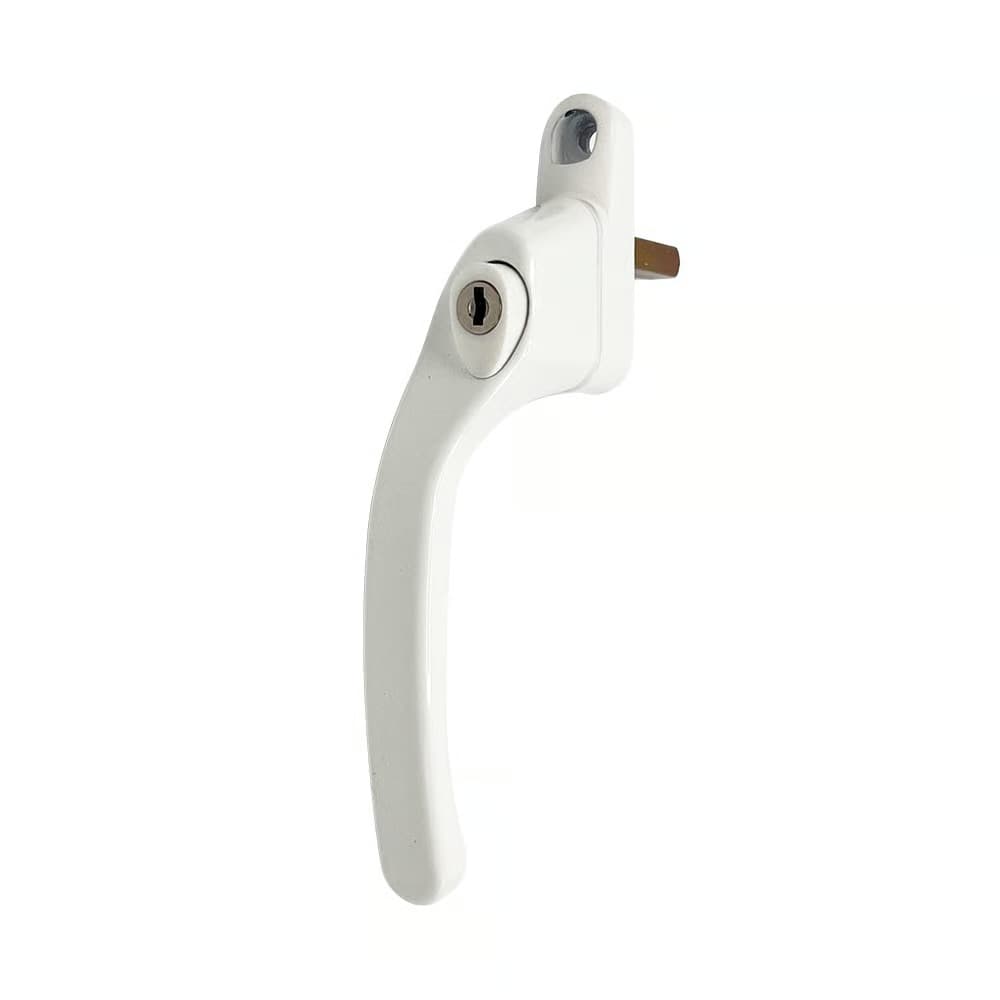
Replacement Window Handles for uPVC Windows: White and Black Options
Replacement window handles for uPVC windows are a straightforward way to refresh appearance, improve security and restore functionality. This article expla...
Replacement window handles for uPVC windows are a straightforward way to refresh appearance, improve security and restore functionality. This article explains the main handle types, how to choose between white and black finishes, and practical steps for measuring, fitting and maintaining replacement handles, aimed at both homeowners and tradespeople.
Common handle types for uPVC windows
Understanding the handle type is the first practical step. The most common types for uPVC windows are espagnolette (espag) handles, cockspur handles and lever/tilt-and-turn handles.
- Espag handles operate an internal espagnolette locking mechanism via a gearbox and a long multi-point rod. A typical option for this type is the TSS Cockspur Window Handles, available in different finishes.
- Cockspur handles clamp over the frame and are common on older uPVC windows; the TSS Cockspur Window Handle is a typical replacement model.
- Lever/tilt-and-turn handles use a square spindle and are common on tilt-and-turn or French-style windows. The TSS Offset UPVC Window Handles is an example of a robust lever-type replacement.
Choosing white or black handles: aesthetic and practical considerations
Colour choice matters for both appearance and maintenance.
- White: blends with traditional white uPVC frames and masks paint flake from older sills. White handles are often powder-coated or polymer-finished and are less likely to show minor scuffs.
- Black: offers a contemporary contrast and suits darker frames or aluminium-look upgrades. Black finishes can be matt or satin; opt for UV-stable coatings to avoid fading.
Measurements and compatibility — what to check before buying
Accurate measurements and identifying fixings are critical.
- Handle type: confirm whether the mechanism is espag, cockspur or spindle.
- Backset/centre distance: measure the distance from the centre of the handle spindle or gearbox to the first fixing screw centre. For espag handles, the gearbox centre-to-centre of screws may be required.
- Spindle size and length: square spindles are usually 7 mm or 8 mm; measure thickness and required length through the door/frame.
- Fixing screw type and length: note whether screws mount into multi-point gearboxes or directly into the frame; metal frames may require machine screws, uPVC accepts self-tapping screws.
- Handing: determine left- or right-handed orientation by looking at the handle projection when the window faces the outside. Many manufacturers supply reversible options but verify before ordering.
- Locking functions: check whether a key-locking handle is required for security. Keyed handles must match the gearbox or latch type.
Practical replacement steps
Tradespeople will find these steps familiar, while homeowners can follow them with basic tools: Phillips screwdriver, Torx set, replacement handle, and a tape measure.
1. Remove the existing handle: open the window to access the fixing screws, typically at the handle base. Unscrew and remove the handle carefully to expose the spindle and gearbox. 2. Note the spindle position: operate the handle to the closed position and mark the spindle orientation. Many espag gearboxes require a particular spindle position for reassembly. 3. Measure spindle and fixings: check spindle size and the position of screw holes relative to the spindle centre. Photographing the assembly helps for reference. 4. Fit the new handle: slide the new handle onto the spindle in the recorded orientation. Align screw holes and start screws by hand to avoid cross-threading. 5. Secure screw fixings evenly: tighten screws alternately until firm. Do not over-torque polymer handles; snug is sufficient. 6. Test operation: open and close the window several times, check lock engagement and sign-off alignment. Test any key-locking functions and replace the barrel if incompatible.
For espag handles, if the gearbox or espagnolette rod is worn, replacement of the entire lock mechanism may be necessary. For cockspur handles, ensure the clamping lip seats correctly on the frame and the striker plate is undamaged.
Security and standards
uPVC window handles contribute to overall security but are only one element. For improved security:
- Choose handles with built-in locking barrels that comply with recognised standards (Secured by Design or equivalent).
- Ensure the handle is compatible with the window’s multi-point locking system. A secure handle should resist forced rotation and lock positively.
- Fit additional hardware where required: hinge guards, restrictors and reinforced keeps improve resilience.
Maintenance and troubleshooting
Simple maintenance keeps handles functioning and prolongs life.
- Lubrication: apply a light spray of silicone lubricant to the gearbox and hinges annually; avoid greasy oils that attract dust.
- Tightening: check screws annually; loose fixings facilitate wear and rattles.
- Corrosion: for coastal properties, choose stainless fixtures or corrosion-resistant finishes and inspect regularly.
- Replacement frequency: high-use communal windows might require replacement every 5–7 years; private domestic windows typically last longer.
Buying considerations and trade tips
- Keep one or two spare handles in both white and black on site for common emergencies.
- Order matching handles (same key) when fitting multiple windows to simplify key management.
- For refurbished properties, measure every window — variations are common due to previous repairs or non-standard frames.
- Tradespeople should carry a basic handle fitting kit: replacement screws, lock barrels, short and long spindles, and a universal handle to cover most emergencies.