
Sash Window Dual Screw Locks: Maximum Security Option
Sash Window Dual Screw Locks: Maximum Security Option A sash window lock is one of the simplest yet most effective ways to secure vertical sliding windows....
Sash Window Dual Screw Locks: Maximum Security Option
A sash window lock is one of the simplest yet most effective ways to secure vertical sliding windows. For homeowners and trade professionals who need a robust solution, dual screw sash window locks offer enhanced resistance to forced entry and better long-term reliability than single-screw variants. This article covers how they work, where to fit them, installation tips, maintenance and trade-level advice so you can specify and install the right product for each job.
What is a dual screw sash window lock?
Dual screw locks are sash window locks designed with two fixing points that anchor the lock body more securely into the sash or frame. The mechanism itself is typically a cam or latch that engages with a keep on the opposite sash. The difference from single-screw locks is mechanical: two screws provide a wider load spread and greater pull-out resistance, which improves overall security and durability.
Benefits for homeowners and installers
- Increased security: Two fixings resist shear and prying forces better than one; this is especially useful in ground-floor or vulnerable windows.
- Greater durability: Load distributed across two screws reduces the chance of the screw loosening or the case deforming over time.
- Improved alignment: Dual-fix locks can reduce twist or rotation of the lock body, keeping the latch to keep engagement crisp.
- Versatility: Available in finishes to match traditional and modern windows; suitable for timber, aluminium and some uPVC applications with the correct fixings.
Choosing the right sash window lock
When specifying a sash window lock think about the following factors:
- Material and finish: Choose corrosion-resistant materials such as stainless steel or plated brass for coastal locations; zinc alloy finishes are common for standard environments.
- Lock type: Cam locks, sliding locks and sash fasteners are common. For maximum security choose a dual screw option with a positive deadlocking action.
- Compatibility: Check the lock depth and keep size against the sash meeting rails. Ensure the lock will engage without forcing the sash out of square.
- Keyed or non-keyed: For accessible windows consider keyed options; for internal rooms a non-keyed thumb-turn may be sufficient.
- Standards and certification: While sash locks are not always covered by door standards, look for products from reputable manufacturers and products endorsed by Secure by Design where available.
Practical installation: trade and DIY steps
These are general steps that apply to most dual screw sash window locks. Always follow the manufacturer’s template and instructions for the product you are fitting.
- Tools and materials: screwdriver or cordless driver, drill, pilot drill bits (2.5mm to 3.0mm for softwoods; 3.0mm to 3.5mm for hardwoods), countersink bit, tape measure, pencil, spirit level, stainless steel or appropriate plated screws, packers for alignment.
- Marking: With the window closed in the correct position mark the location of the lock on the top face of the lower sash meeting rail and the keep on the underside of the top sash meeting rail. Use the manufacturer’s template if supplied.
- Pilot holes: Always drill pilot holes for hardwood to avoid splitting; a 3.0mm pilot for a 4.0mm screw is typical. For softwood you can use a slightly smaller pilot; for uPVC use self-tapping screws and check manufacturer guidance.
- Fixing screws: Use stainless steel screws in coastal or damp environments. Choose screw length so penetration reaches solid timber or the reinforcing section of the frame; typically 25mm to 35mm depending on rail thickness.
- Alignment: Fit the lock loosely, close and operate the sash to check alignment then tighten screws evenly. If the sash is out of square you may need to re-align with packers or check cords/weights before final fixing.
Common on-site issues and how to fix them
Installers and DIYers will often encounter a few recurring problems; here is how to address them:
- Misaligned keep: If the latch does not engage neatly, loosen fixings, reposition the keep slightly and re-test. Small adjustments usually solve engagement issues.
- Soft or rotten timber: Replace or repair rotten sections; do not rely on longer screws alone. Use timber consolidant or splice new timber if necessary.
- uPVC frames: Use the screw types specified for uPVC and avoid over-tightening which can crack the frame. For uPVC locks consider options designed specifically for the profile with metal reinforcements.
- Sagging sash: If the window sash sags, assess the cord and weight balance or check for worn pivots. Fitting a stronger lock will not correct a structural sash problem; address the sash operation first.
- Painted-over locks: If replacing an old lock that has been painted, remove paint and clean the recess to ensure a flush fit and positive operation.
Maintenance and long-term care
Regular maintenance will keep a sash window lock functioning and secure:
- Lubrication: Lightly lubricate the cam or latch with a dry PTFE spray or light machine oil annually; avoid heavy grease which attracts dirt.
- Check fixings: Tighten screws periodically. If screws are loose in timber, remove and insert timber plugs or use slightly larger diameter stainless screws.
- Corrosion checks: Inspect finishes and replace severely corroded locks; upgrade to stainless steel in exposed positions.
- Repainting: When redecorating, protect locks from paint ingress. Mask them off or remove temporarily to prevent jamming.
Specification tips for trade professionals
For builders, joiners and window fitters specifying hardware for a job consider these points:
- Order keyed-alike sets for multiple windows where access needs to be controlled with a single key; this reduces key management on site.
- Specify screw type and length as part of your schedule of works to ensure fitters have the correct fixings for the substrate.
- Include access for maintenance in the scope: specify removable stops where future lock servicing is likely to be required.
- Where security is critical specify locks with dual screw fixing and a robust keep; consider pairing with meeting rail bolts for additional resistance.
Recommended Products
Based on this article, you may find these products helpful:
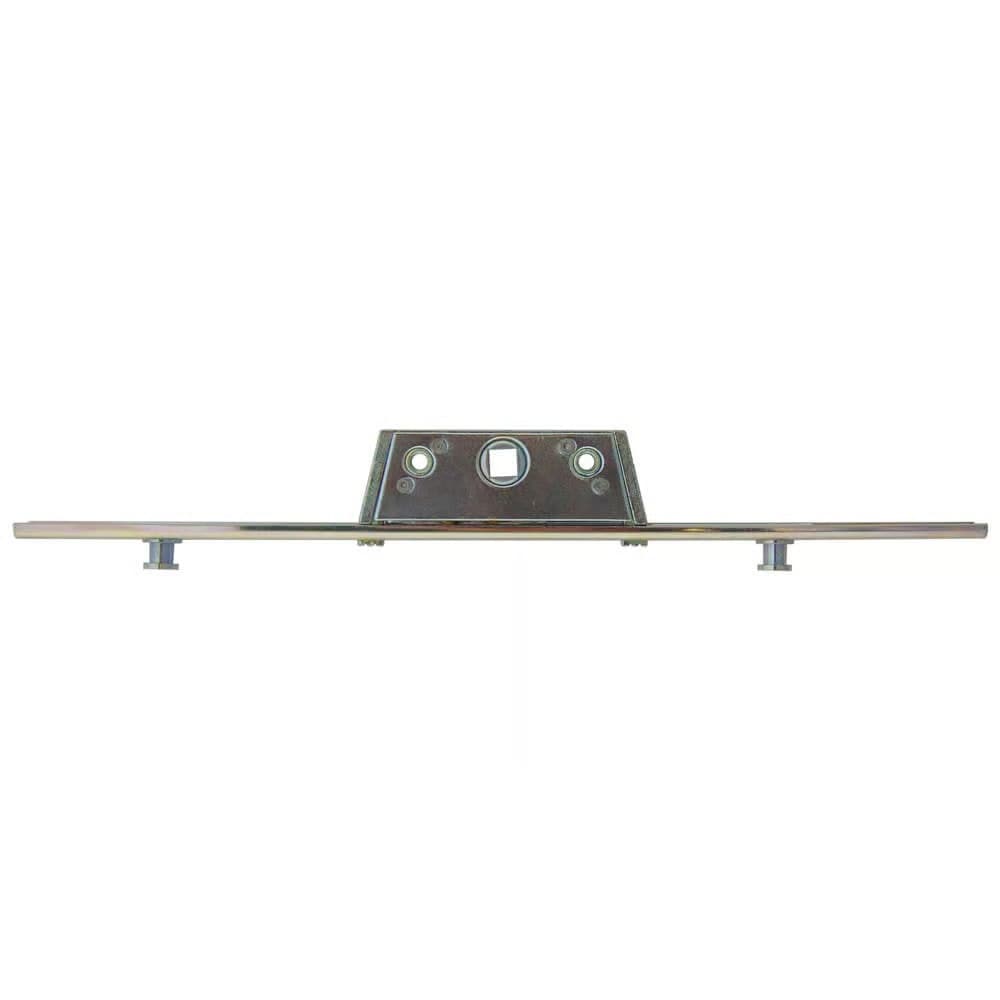
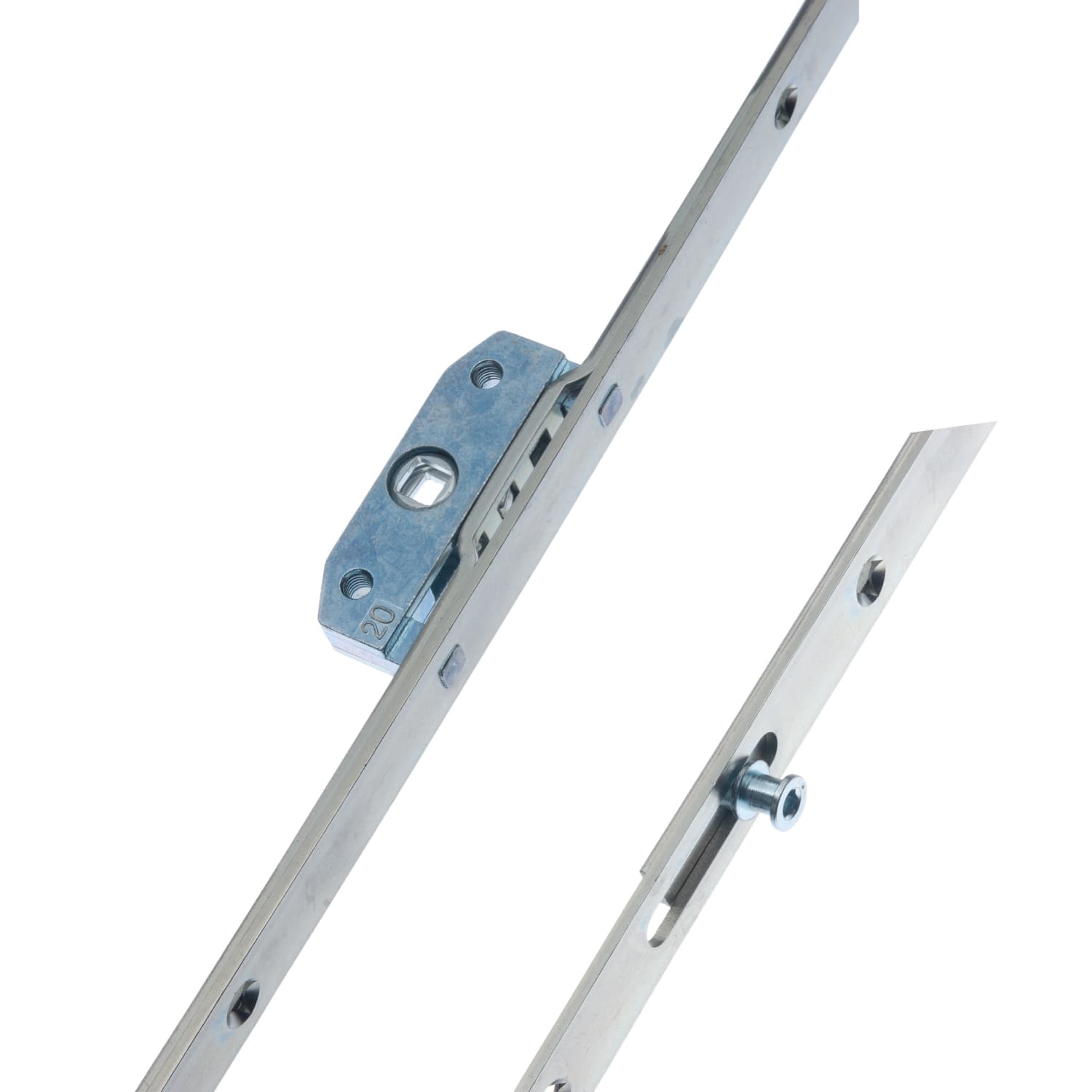
- ERAB Espagnolette Window Lock Universal Lock Replacement
- In-Line Window Mechanism
- Offset Window Mechanism
Conclusion and next steps
Dual screw sash window locks provide a practical and effective upgrade for improving the security and longevity of vertical sliding sash windows. For best results choose the right material and fixings, check sash condition before installation and carry out routine maintenance. If you need more detailed product options or installation accessories see our pillar page: /c/windows-restrictors for related guides, or contact our trade team for specification help, keyed-alike orders and bulk pricing.
Products mentioned in this article

Related articles
Window Restrictors
What Is a Cable Window Restrictor? How They Work
What Is a Cable Window Restrictor? How They Work A cable window restrictor is a simple mechanical device fitted to a window to limit how far it can open. I...
Cable Window Restrictor Safety Features Explained
Cable Window Restrictor Safety Features Explained What a cable window restrictor does and where it is used A cable window restrictor is a safety device fit...