
What Is a Cable Window Restrictor? How They Work
What Is a Cable Window Restrictor? How They Work A cable window restrictor is a simple mechanical device fitted to a window to limit how far it can open. I...
What Is a Cable Window Restrictor? How They Work
A cable window restrictor is a simple mechanical device fitted to a window to limit how far it can open. It is commonly used to improve child safety, reduce the risk of falls from height, and offer a measure of security while still allowing ventilation. Cable restrictors are widely used across the domestic and commercial sectors and are an important item for both homeowners and trade professionals to understand when specifying or fitting window hardware.
What a cable window restrictor consists of
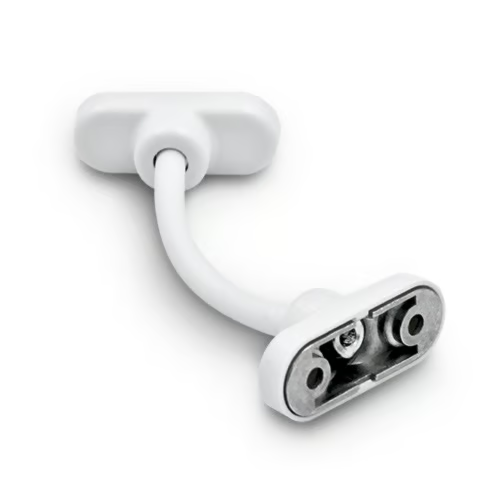
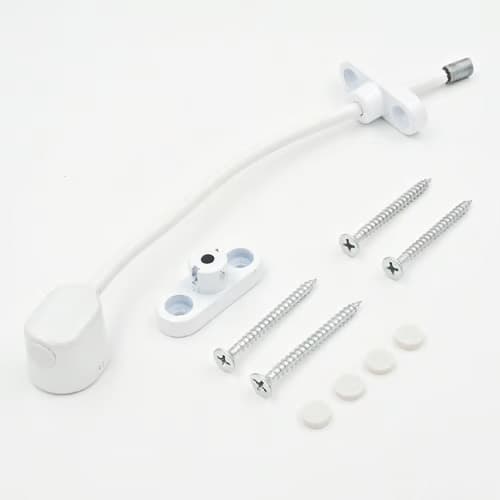
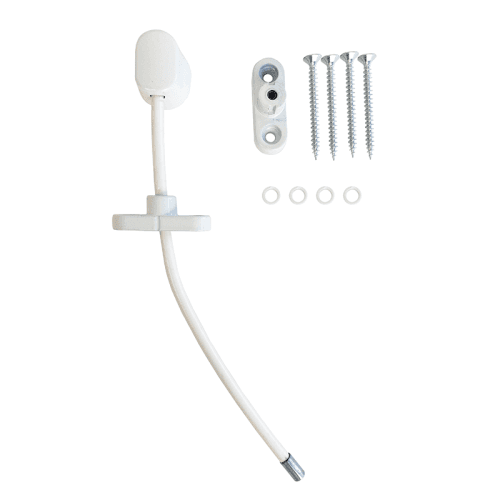
Most cable window restrictors have a few basic components:
- Stainless steel or galvanised steel cable: this connects the window sash to the frame and stops the sash opening past a set point.
- Fixing plates or eye plates: these are mounted to the fixed frame and the moving sash.
- Locking mechanism: this can be a keyed lock, push-button release or a tamper-resistant catch. Keyed restrictors provide additional security; quick-release types permit fast opening from inside in an emergency.
- Adjusters or ferrules: some systems allow the effective length to be set on site to suit different window sizes.
How cable restrictors work
Installation is straightforward: one end of the cable is fixed to the frame and the other to the sash. When the window is opened, the cable becomes taut and prevents the sash from travelling beyond the pre-set distance. The amount of permitted opening depends on the cable length and where the fixings are placed; common opening limits used for child safety are in the region of 100 mm, though the exact dimension should follow manufacturer guidance and any site-specific requirements.
Where to use them: practical applications
Cable window restrictors are suitable for a wide range of window types, including top-hung, side-hung and some tilt-and-turn windows. Typical applications include:
- Homes with young children: to prevent falls from upstairs windows.
- Schools, nurseries and care homes: where risk assessment requires limiting window openings.
- Ground-floor windows in busy city locations: as a deterrent to unauthorised entry while maintaining ventilation.
- Buildings where security and ventilation must be balanced, for example shops and offices.
Trade advice: specifying the right restrictor
When selecting cable restrictors for a project, a few technical considerations are important:
- Load rating and strand diameter: choose a cable rated for the application; stainless steel offers corrosion resistance for coastal areas.
- Fixing type and material: match screws and plates to the window frame material. For timber, use countersunk wood screws with adequate embedment; for uPVC, engage the metal reinforcement within the frame and use the manufacturer-recommended fasteners; for aluminium frames use suitable self-tapping or machine screws and, where required, backing plates.
- Locking method: keyed locks are preferred where security is paramount; push-button or break-glass quick-release units suit rooms where rapid egress may be necessary.
- Standards and compliance: specify products from reputable suppliers and check they meet relevant performance standards such as the EN/BS series for building hardware; for child safety, align with local guidance and any applicable building regulations.
DIY installation: step-by-step guidance
Fitting a cable window restrictor can be a straightforward task for a competent DIYer, but precise marking and the correct fixings are essential. Follow the manufacturer’s instructions at all times. General steps are:
- Decide the permitted opening and location of the fixings: typically the frame plate is on the fixed frame near the hinge or top, and the sash plate is mounted so the cable limits travel.
- Measure and mark: use a tape measure and pencil to set positions. Use a spirit level to keep plates square where relevant.
- Pre-drill pilot holes: choose drill bits appropriate for the frame material. For metal reinforcement in uPVC frames, use a centre punch and metal drill bit; for timber, a smaller pilot hole reduces splitting.
- Fix securely: use the correct screw lengths and types; ensure screws bite into good material; do not overtighten and distort plate fittings.
- Test the operation: open the window to confirm the restrictor limits travel at the intended point. Check the release mechanism, if fitted, operates smoothly.
- Document and label where necessary: for shared buildings, note locations and keys or release instructions for emergency personnel.
Maintenance and safety checks
Regular inspection will keep restrictors functioning and safe:
- Check cables for fraying, corrosion or kinks; replace immediately if damaged.
- Confirm all fixings remain tight; movement of sash components can loosen screws over time.
- Operate the lock or release mechanism periodically and lubricate with a light machine oil or silicone spray as recommended by the manufacturer.
- Record checks on commercial or communal sites to satisfy duty-of-care requirements.
Limitations and best practice
Cable window restrictors are designed to limit opening; they are not a substitute for robust window locks where forced entry is a concern. For places requiring emergency escape, consider quick-release models that balance safety and escape routes. Always follow product instructions and, for complex installations such as high-rise or public buildings, consult a qualified installer or building control where necessary.
Further resources and next steps
If you need more detail on window escape options, other restricting devices or related window hardware, see our wider resource hub at window locks and restrictors guide. For specifying products, contact a trusted supplier with details of frame material, window type and the required opening limit; for installations on commercial properties, ensure the chosen products meet any statutory obligations and include satisfactory maintenance regimes.
Conclusion: Cable window restrictors provide a cost-effective, low-visual-impact solution to control how far windows open. For homeowners they offer peace of mind where children or vulnerable people are present; for trade professionals they are a practical item to specify and fit when ventilation, security and safety must be balanced. Next steps: choose a suitable restrictor type, check compatibility with the window frame, and follow the manufacturer guidance or engage a qualified installer for peace of mind.
Recommended Products
Based on this article, you may find these products helpful:
Related articles
Window Restrictors
Cable Window Restrictor Safety Features Explained
Cable Window Restrictor Safety Features Explained What a cable window restrictor does and where it is used A cable window restrictor is a safety device fit...
Window Restrictor Safety Standards: EN 14351 Explained
Window Restrictor Safety Standards: EN 14351 Explained Window restrictor products are a common specification on both new builds and retrofit projects; they...