
Sash Window Lock Problems: Why Your Lock Won't Hold
Sash Window Lock Problems: Why Your Lock Won't Hold. A sash window lock that fails to hold is one of the most common causes of draughts, security concerns ...
Sash Window Lock Problems: Why Your Lock Won't Hold. A sash window lock that fails to hold is one of the most common causes of draughts, security concerns and user frustration for homeowners and tradespeople. Understanding why the lock does not engage or slips under load will save time on site and prevent repeated call-outs.
Common causes of a sash window lock not holding
There are several typical reasons a sash window lock will not hold. Identifying the root cause will determine whether a simple DIY fix will do, or if a trade-level repair or replacement is required.
- Misalignment of the lock and keep due to swelling or shrinkage of timber or window settlement.
- Worn or broken keep, cam, or bolt on the sash lock; metal wear prevents positive engagement.
- Loose or stripped screw holes causing the keep to pull away under load.
- Rotten or soft timber around the meeting rails so screws cannot bite.
- Failed sash cords/weights or spiral balances letting the sash sag so the meeting rails do not close square.
- Incorrect hardware after double-glazing or timber repairs; the replacement lock or keep sits at the wrong height.
- Debris, paint build-up or swelling of the meeting rails stopping full engagement.
- Security incidents or force that has bent the lock cam or deformed the keep.
How to diagnose the problem: quick checks
Start with a clear, methodical inspection. These steps work for both trade professionals and competent DIYers.
- Operate the sash to check if both sashes close squarely and make full contact at the meeting rail. If not, note whether the misalignment is vertical or lateral.
- With the sash closed, operate the lock and watch the cam or bolt: does it enter the keep? Is there play? Does it stop part way?
- Look for obvious wear on the keep and cam. Rust, deformation or missing material indicate replacement.
- Probe the screw holes holding the keep: wiggle the keep to see if screws are tight or if the surrounding timber has failed.
- Check the sash weights or spirals: can you lift the sash and hold it in position, or does it drop easily? A dropping sash often prevents good locking.
- Assess timber condition: soft or rotten wood around the meeting rail is a structural issue that weakens any repair.
Practical DIY fixes you can try
If the cause is straightforward, these practical steps will often restore a sash window lock to full function.
- Tighten screws: remove the keep and replace the screws with slightly longer or thicker stainless screws to get purchase into sound timber. Use pilot holes to avoid splitting.
- Use packers behind the keep: a thin brass or plastic shim can raise or lower the keep to improve engagement without rebuilding the frame.
- Replace worn keeps or locks: inexpensive replacement sash window lock kits are widely available; choose stainless or brass for longevity. Match the style to the meeting rail profile.
- Clear paint and debris: chisel paint back gently from the keep and cam areas; a few tenths of a millimetre of paint can prevent engagement.
- Repair stripped holes: for medium damage, glue and dowel or hardwood matchsticks into the hole, trim flush, then re-drill pilot hole. For a stronger repair use a resin filler or plastic anchor.
- Adjust sash closing: if swelling is the problem, slightly easing the meeting rails with a plane or sanding will allow the lock to seat; be cautious with draughts and weatherproofing considerations.
- Temporary security: if the lock slips under load and a permanent fix is delayed, fit a sash restrictor or a keyed sash jammer to deter forced entry until repairs are completed.
Trade-level repairs and best practice
When DIY fixes are insufficient, or when working on multiple windows, use trade-standard methods to ensure durability and compliance.
- Replace the keep with an adjustable or screw-slot type; these allow fine tuning of engagement without repeated timber alteration.
- For rotten timber, cut out and splice in sound timber or use a consolidant and epoxy repair; this restores strong screw hold for the keep and lock case.
- When screw holding is poor, consider using oak or hardwood plugs glued into re-drilled holes; then re-fit the keep with long countersunk screws biting into solid timber.
- Upgrade to a keyed or sash-jammer lock for higher security requirements. Ensure the lock chosen is suitable for the sash profile and centre/meeting rail thickness.
- On sash cord and weight systems, replace frayed cords or faulty pulleys; re-weight and balance sashes so they close squarely. A misaligned sash will always undermine the lock’s performance.
- For double-glazed retrofits where beads change meeting rail depth, select locks with an appropriate throw or install raised keeps to match the new geometry.
Maintenance and prevention
Regular maintenance extends the life of a sash window lock and prevents future problems.
- Lubricate moving parts annually with a light machine oil; avoid heavy greases that attract dirt.
- Check and tighten fixings seasonally; coastal properties should use stainless steel fixings to prevent corrosion.
- Keep meeting rails clean and free from paint build-up; repaint carefully to avoid sealing the mechanism in place.
- Inspect sash cords or spirals and weights as part of the maintenance cycle; a balanced sash protects the lock from undue stress.
- For properties with children, fit restrictors to prevent falls; these should be compatible with the sash window lock and comply with safety guidance.
When to call a specialist
Call a specialist if you encounter any of the following: extensive timber rot, listed-building constraints, repeatedly failing repairs, broken sash weights that require navigating sash boxes, or complex security upgrades that need certification. A joiner or experienced window specialist will provide long-term repairs and ensure the finish and security meet expected standards.
Recommended Products
Based on this article, you may find these products helpful:
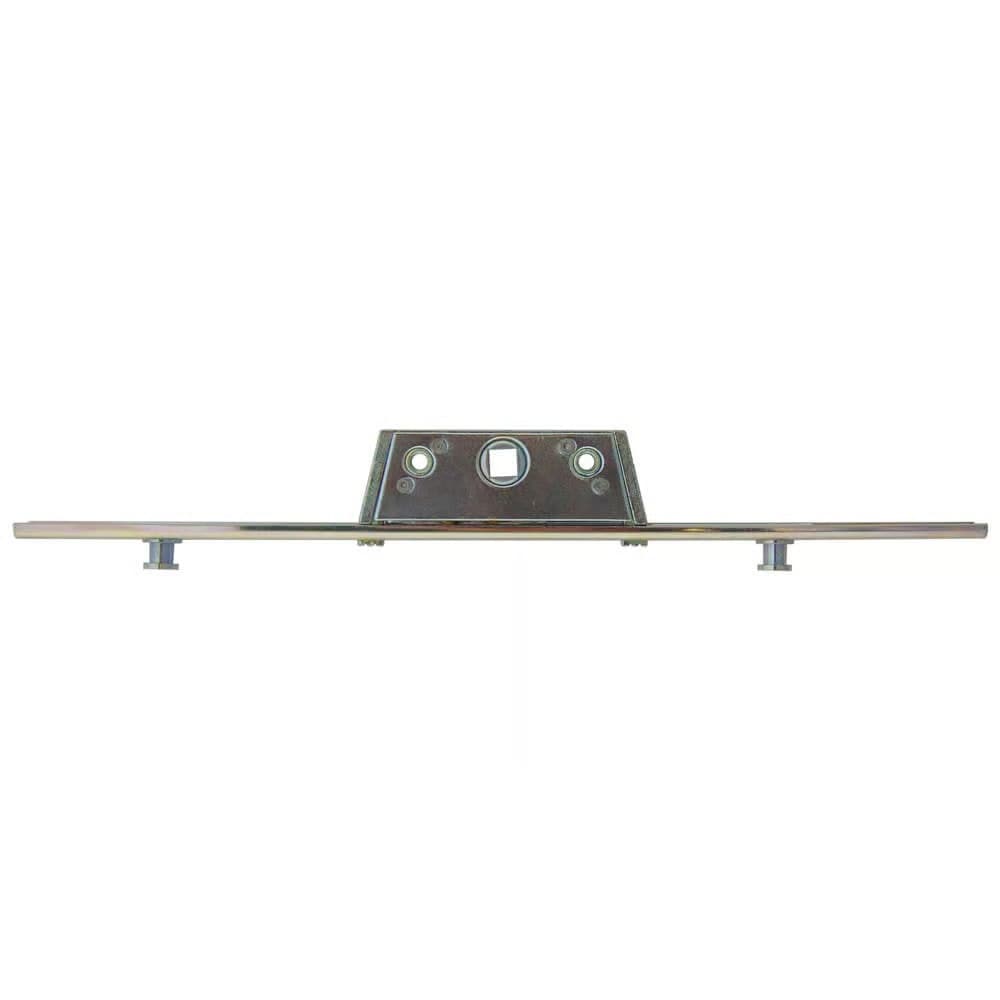
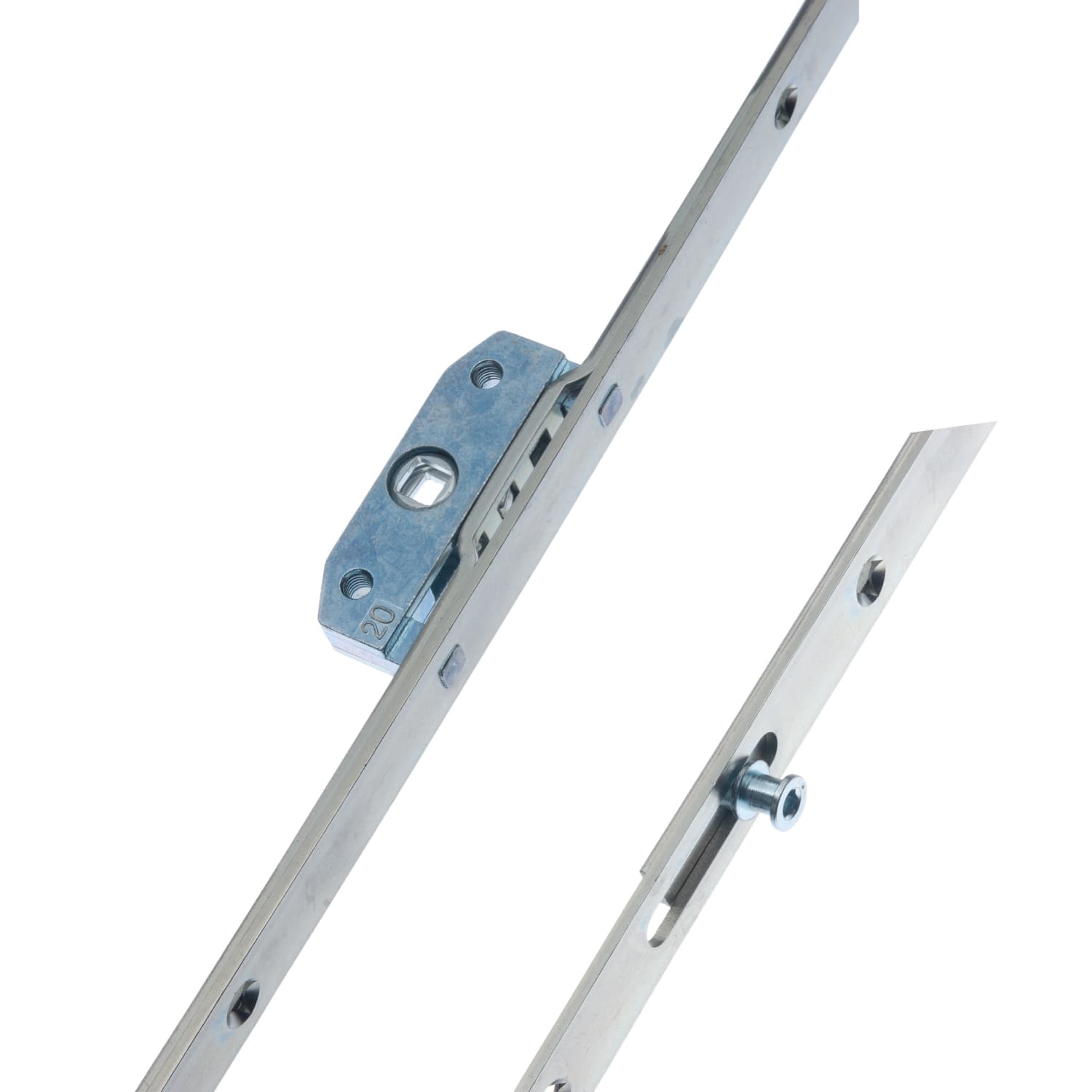
- ERAB Espagnolette Window Lock Universal Lock Replacement
- In-Line Window Mechanism
- Offset Window Mechanism
- E-Type Gasket - Black 5m Roll
- E-Type Gasket - Black (Per Metre)
Conclusion and next steps
A failing sash window lock is seldom mysterious: most issues come down to alignment, worn components, poor screw hold or sash imbalance. For a homeowner with basic tools, tightening fixings, replacing the keep or cleaning paint build-up will often restore function. For tradespeople or more serious failures, use durable fixing methods, replace worn parts with correctly specified hardware and address any timber or balance problems.
Next steps: inspect the meeting rails and lock cam, check screw integrity and sash balance, then decide whether a simple DIY fix or a trade repair is needed. For further information on compatible hardware and safety options see our detailed guide on window locks and restrictors: /c/windows-restrictors.
Products mentioned in this article

Related articles
Window Restrictors
What Is a Cable Window Restrictor? How They Work
What Is a Cable Window Restrictor? How They Work A cable window restrictor is a simple mechanical device fitted to a window to limit how far it can open. I...
Cable Window Restrictor Safety Features Explained
Cable Window Restrictor Safety Features Explained What a cable window restrictor does and where it is used A cable window restrictor is a safety device fit...