
Telescopic Letterbox for Thick Doors: Getting the Right Extension
Telescopic Letterbox for Thick Doors: Getting the Right Extension Fitting a letterbox to a thick door is a common challenge for UK homeowners and trade pro...
Telescopic Letterbox for Thick Doors: Getting the Right Extension
Fitting a letterbox to a thick door is a common challenge for UK homeowners and trade professionals. A telescopic letterbox gives the flexibility needed when door thickness varies from standard timber to modern composite and acoustic doors. This post covers what a telescopic letterbox is, how to measure and spec the correct extension, installation tips and common pitfalls to avoid.
Why choose a telescopic letterbox for thick doors
A telescopic letterbox has an adjustable tube made from two or more concentric sections: an outer faceplate and an inner flap or frame which slide together to match the door thickness. The main advantages are:
- Adjustability: one product covers a range of thicknesses, reducing the need for bespoke parts.
- Improved thermal performance: a correctly fitted telescopic tube reduces the gap through the door; add seals and brushes to limit draughts.
- Neat finish: both internal and external plates sit flush regardless of door depth, giving a better aesthetic.
- Security and weather protection: many models include internal flaps, brush strips and drainage channels to reduce rattles and water ingress.
Measure before you buy: key dimensions
Accurate measurement is the most important step. Trade professionals should record every dimension on site; homeowners should double check before ordering. Key measurements are:
- Door thickness: measure from external face to internal face at the exact point where the letterbox will fit. Measure at several points if the door is tapered; use the smallest measurement for specification.
- Aperture width and height: the internal letterplate aperture should be sized to accept common mail sizes. A C4 envelope measures 229 x 162mm; most letterboxes accept C4 with an aperture around 230mm wide and 30 to 60mm high depending on model.
- Backset or centreline: distance from the door edge to the centre of the aperture; useful when aligning with existing hardware or conservatory doors.
- Rebate or panel thickness: if the door has a decorative panel or glazing, note the depth of the panel where the internal plate will sit.
Choosing the right extension length and material
Telescopic letterboxes are sold with a specified extension range, for example 30mm to 80mm, 40mm to 120mm or 60mm to 140mm. Select a model where the door thickness falls comfortably within the stated range; avoid extending to the maximum continuous limit where possible. If the door is thicker than available ranges, options include a specialist long extension, a custom-made tube, or fitting an external-only letterplate with an internal draught-excluding flap.
Material and finish choices matter for longevity and compatibility with the door:
- Stainless steel: durable and corrosion-resistant; good for exposed external faces.
- Aluminium with powder coat: lightweight and available in a variety of colours to match door finishes.
- Brass or chrome plated: traditional finishes for heritage doors; ensure a sealed finish to prevent tarnishing.
Also consider security features: internal snib or roller catch to stop fishing, brush seals to reduce light and draughts, and anti-rattle fixings for windy locations. For fire-rated doors and certain composite doors, consult the door manufacturer before fitting a letterbox as guarantees may be affected; in some cases a specialist fire-rated letterbox is required.
Installation tips for trade and DIY
Whether you are a joiner or a competent DIYer, follow these practical steps for a secure, tidy installation:
- Prepare tools: tape measure, pencil, spirit level, jigsaw or router, drill with appropriate bits, file and sandpaper, screwdriver, silicone sealant and PPE.
- Mark out: set a centreline and check height from the floor or door handle to match the user requirements. Triple-check measurements before cutting.
- Cut the aperture: drill pilot holes at corners and use a jigsaw or router to remove the material. On composite doors follow the manufacturer instructions; some cores should not be penetrated.
- Test fit the telescopic tube: slide the tube sections to match the measured thickness; trim if necessary following the maker’s guidance. Avoid improvised cutting that disturbs the tube’s profile.
- Secure internal and external plates: use the supplied screws and backing plates; ensure screws do not penetrate any internal insulation or wiring.
- Seal and finish: apply a continuous bead of neutral cure silicone between the outer plate and the external face to keep out moisture; use foam gasket or brush seals internally to control draughts.
- Test: post a C4 envelope and observe the internal flap operation; check for rattles and make small adjustments to packing and seal placement as needed.
Common issues and how to avoid them
Several recurring problems can be avoided with good practice:
- Draughts and noise: ensure the internal brush and gasket are fitted and that the tube sections are fully telescoped and tightened; replace worn brushes.
- Misalignment: tighten fixings evenly and check plate alignment before final sealing; use shims if the door panel is not perfectly flat.
- Water ingress: make sure the outer plate sits flush and use silicone; confirm the letterbox has a drainage channel if the design requires one.
- Warranty issues: for composite, fire, or acoustic doors consult the door manufacturer; unauthorised penetrations can void guarantees.
Where to buy and spec for tradespeople
For trade professionals it is sensible to stock a small range of telescopic lengths and popular finishes to cover most site situations. Keep replacement brushes and foam gaskets to hand for aftercare. Homeowners should buy from a reputable supplier and check the product specifications match the measured door thickness and aperture requirements. For further technical resources and product selection advice see our pillar page at /guides/letterboxes.
Recommended Products
Based on this article, you may find these products helpful:
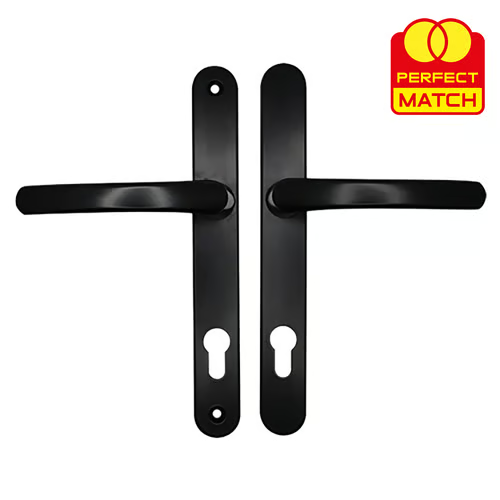
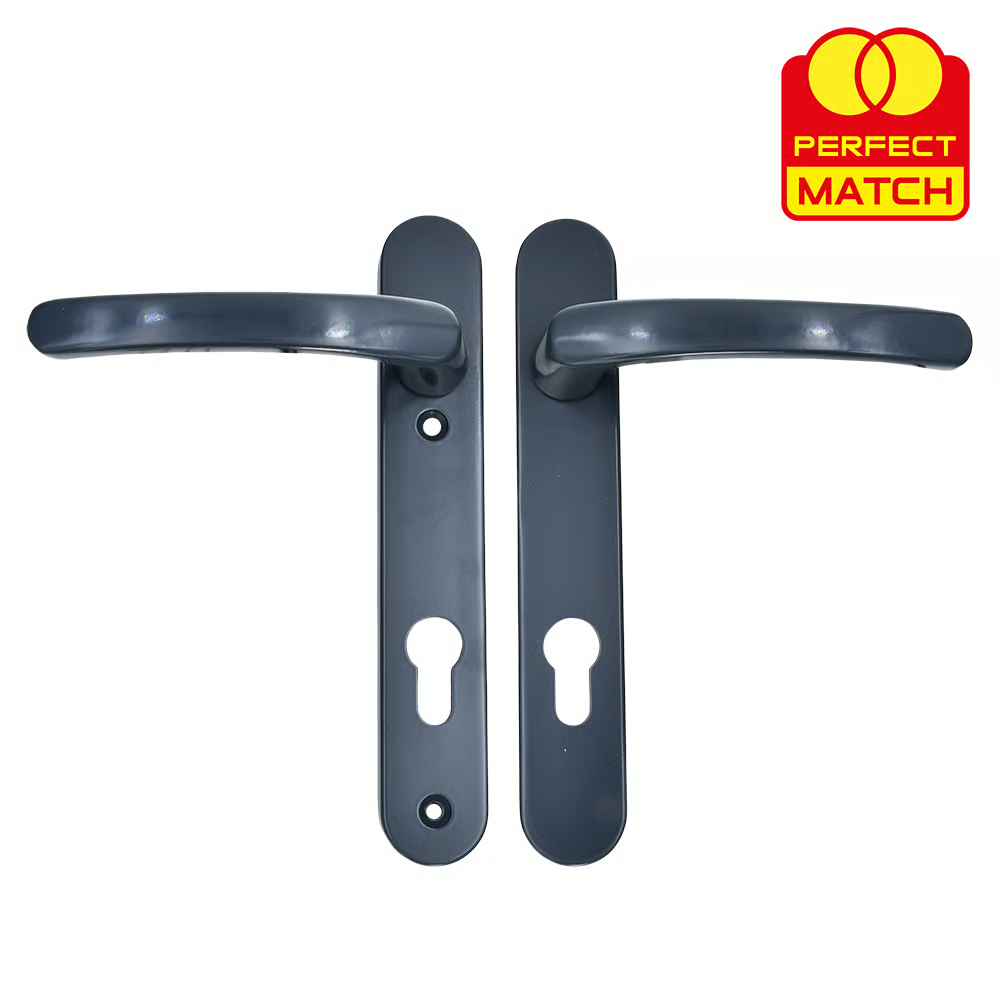
- TSS Door Handle Lever
- TSS Door Handle Lever Short
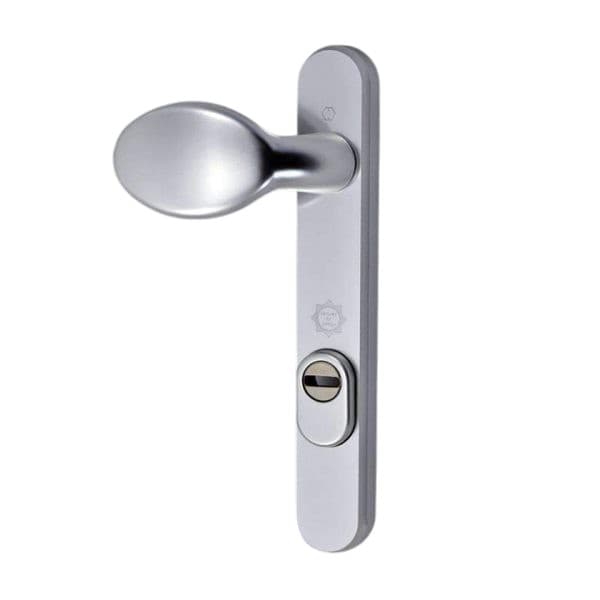
- Affinity Security Door Handle
- E-Type Gasket - Black 5m Roll
- E-Type Gasket - Black (Per Metre)
Conclusion and next steps
Choosing the right telescopic letterbox requires accurate measurement, selection of a suitable extension range and attention to installation details that control draughts, security and weather resistance. Next steps: measure your door thickness accurately, check any manufacturer restrictions for composite or fire-rated doors, select a telescopic unit with an appropriate extension range and finish, and follow the fitting steps above. If in doubt consult a qualified joiner or contact your supplier for trade advice and compatible product recommendations.
Products mentioned in this article
Related articles
Internal vs External Letterbox Draught Excluders: Which Works Better?
Internal vs External Letterbox Draught Excluders: Which Works Better? A letterbox is a small opening that can let in a disproportionate amount of cold air,...
How to Retrofit an Anti Arson Letterbox to an Existing Door
How to Retrofit an Anti Arson Letterbox to an Existing Door What is an anti arson letterbox and why retrofit one? An anti arson letterbox is a specialist l...
Letterbox Draught Excluder for Security: Added Protection
Letterbox Draught Excluder for Security: Added Protection A well-chosen letterbox draught excluder reduces heat loss and noise while contributing to a stro...