
Telescopic Letterbox Sizes: Finding the Perfect Fit
Finding the right telescopic letterbox matters for weatherproofing, security and a professional finish on doors of different materials. Whether you are a t...
Finding the right telescopic letterbox matters for weatherproofing, security and a professional finish on doors of different materials. Whether you are a trade professional fitting multiple properties or a homeowner fitting a replacement, understanding the available sizes, how to measure and how to install will avoid wasted time and incorrect parts on site.
What is a telescopic letterbox and when to use one
A telescopic letterbox is a two‑piece sleeve that extends through the thickness of a door; the external and internal collars pull together to form a neat aperture with an adjustable shaft in between. They are ideal where doors are thicker than standard, such as composite, solid timber or doors with glazing panels; they also suit doors with variable thicknesses where a fixed-length box would not reach through cleanly.
Key size considerations
When specifying a telescopic letterbox you should consider three main measurements:
- Door thickness range: the adjustable length of the sleeve needs to cover the door’s thickness plus any trims or panels. Telescopic sleeves are normally sold in short, medium and long ranges; common trade ranges include roughly 30–45mm, 45–70mm and 70–110mm. Always measure the full thickness from the outside face to the inside face where the collars will sit.
- Aperture width and height: the flap or plate width determines how easily mail passes through. Many letterplates are produced in widths from 160mm up to 325mm; a mid‑range 250–300mm width suits most domestic needs. Height is typically 30–40mm to accept standard post without catching. Check the mail volumes you expect and any Royal Mail recommendations when in doubt.
- Internal clearances and trim depth: allow for internal architraves or linings; the internal collar of a telescopic unit must sit flush on the inner face for a tidy finish and to provide draught sealing with brushes or foam seals.
Choosing the right product for different door types
Select a telescopic letterbox suited to the door construction:
- Composite doors: typically 44–48mm thick but sometimes thicker with panels; choose an adjustable sleeve that spans at least 40–70mm. Use models with durable stainless or aluminium trims and good brush seals to minimise draughts.
- Solid timber doors: thickness varies widely; measure the exact panel thickness and pick a sleeve range that neatly covers it without compressing insulation layers.
- Glazed and French doors: where glass panes sit inside the door, verify the internal rebate; you may need a longer telescopic unit to reach past the glazing bead.
- uPVC doors: these often have multi‑chambered profiles and foam cores; cut carefully and use a sleeve sized to clear any internal reinforcement. Avoid overtightening screws that could distort the frame.
Practical trade advice for stocking and ordering
For installers stocking parts, a small selection of three telescopic lengths will cover most jobs: short, medium and long ranges as noted above. Keep popular finishes in stainless steel and white powder coat; brass and black finishes are useful for high‑end or period properties. Also stock:
- Different flap styles: swing flaps, brush seals and draught excluders;
- Security additions: anti‑fishing baffles and internal plates that stop prying;
- Fixing kits: longer screws, packers and silicone sealant for irregular reveals.
When ordering for a specific job request the door thickness and whether there are internal trims; specify the required cut‑out size if you need a matching external plate or internal cover plate supplied pre‑cut.
DIY measurement and install guidance
Follow these practical steps to ensure a correct fit and neat installation:
- Measure the door thickness at the proposed centre of the aperture; measure both faces to check for tapered edges. Add any internal trim depth to this measurement.
- Choose an aperture position that is convenient and accessible; around 1.0–1.2m from finished floor level is common for post delivery, but adapt to the homeowner’s preference and furniture layout.
- Use the manufacturer’s template: most telescopic letterboxes come with a paper template for marking the cut‑out. If no template is supplied, measure the size of the internal collar and mark a centred rectangular cut‑out accordingly.
- Drill pilot holes in each corner of the marked rectangle; use a jigsaw with a fine wood panel blade or a hole saw for the initial removal. Take care near locks and glazing; check for reinforcement bars inside metal or uPVC doors.
- Trial fit the telescopic sleeve before fixing: extend the sleeve to the measured thickness, insert, fit outer and inner collars and check flap clearance and sealing. Adjust as required.
- Secure with appropriate screws; use silicone sealant around the collars for weatherproofing and avoid overtightening which can bow thin skins. Fit internal brushes or foam seals last and check the flap operates smoothly.
Security and weatherproofing tips
To reduce mail fishing and draughts choose telescopic letterboxes with anti‑fishing baffles, inward facing internal plates or multi‑flap systems. Use stainless or powder‑coated metals for longevity in exposed locations; add a brush or foam seal behind the inner collar to stop cold air. For external doors exposed to rain, ensure a small drip can is present on the external hood and use neutral cure silicone to seal the perimeter.
Where to find more technical specifications
Manufacturers publish cut‑out templates and detailed technical drawings; download these before ordering to confirm whether the product matches your door construction. For additional advice and product ranges suitable for multiple door thicknesses, visit our pillar page: /guides/letterboxes.
Recommended Products
Based on this article, you may find these products helpful:
- E-Type Gasket - Black 5m Roll
- E-Type Gasket - Black (Per Metre)
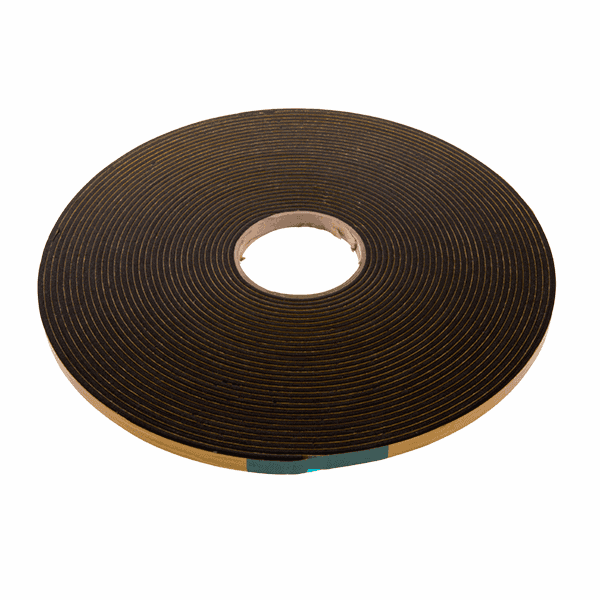
- Structural Glazing Tape - 20mm
- Security Glazing Tape
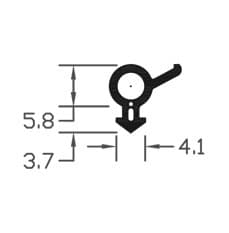
- B003 Bubble Gasket
Conclusion and next steps
Choosing the right telescopic letterbox comes down to accurate measurement of door thickness, selecting a sleeve range that covers that thickness, and matching aperture width to mail handling needs. For tradespeople, keep a small range of telescopic lengths and common finishes in stock to cover most installations. For homeowners, measure carefully, check templates and follow the fitting steps above or consult a professional if the door contains reinforcement or glazing.
Next steps: measure the door thickness and aperture position; compare with manufacturer sleeve ranges; contact Window Hardware Store for product recommendations or to order telescopic letterboxes and fitting kits tailored to your door type.
Products mentioned in this article
Related articles
Internal vs External Letterbox Draught Excluders: Which Works Better?
Internal vs External Letterbox Draught Excluders: Which Works Better? A letterbox is a small opening that can let in a disproportionate amount of cold air,...
How to Retrofit an Anti Arson Letterbox to an Existing Door
How to Retrofit an Anti Arson Letterbox to an Existing Door What is an anti arson letterbox and why retrofit one? An anti arson letterbox is a specialist l...
Letterbox Draught Excluder for Security: Added Protection
Letterbox Draught Excluder for Security: Added Protection A well-chosen letterbox draught excluder reduces heat loss and noise while contributing to a stro...