Upgrading Your Door Handle: When and Why
Upgrading a door handle is one of the quickest ways to refresh a property, improve security and solve everyday problems such as sticking mechanisms or loose fixings. Whether you are a tradesperson adv...
Upgrading a door handle is one of the quickest ways to refresh a property, improve security and solve everyday problems such as sticking mechanisms or loose fixings. Whether you are a tradesperson advising clients or a DIY enthusiast tackling an update yourself, this guide explains when to replace a door handle, how to select the right type, and practical installation and maintenance tips to ensure a professional finish.
When to replace a door handle: common signs and triggers
Knowing when to replace a door handle helps avoid reactive fixes that do not solve the underlying issue. Look out for these common signs:
- Difficulty operating the lock or latch: the handle sticks, fails to return, or the latch does not engage smoothly.
- Visible wear or corrosion: paint flaking, rust on internal parts, or degradation of plated finishes that compromises function.
- Loose fixings and wobble: split spindle, worn screw holes, or poorly aligned handles causing a loose feel.
- Security concerns: outdated lock types, non-compliant hardware for insurance requirements, or handles that allow easy forced entry.
- Style update or client request: replacing old handles to match a new aesthetic or upgrade to a more ergonomic design.
Choosing the right door handle for the job
Selecting the correct door handle depends on the door type, usage frequency and security requirements. Consider these categories:
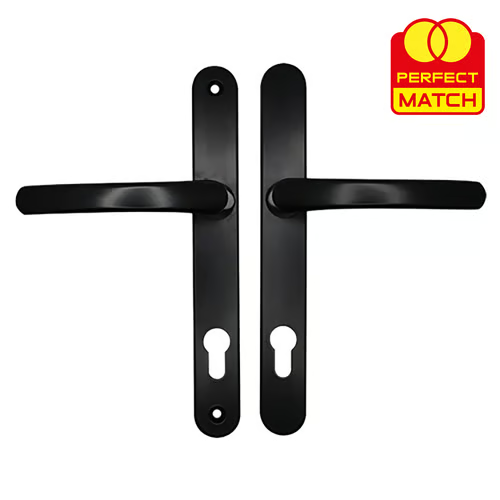
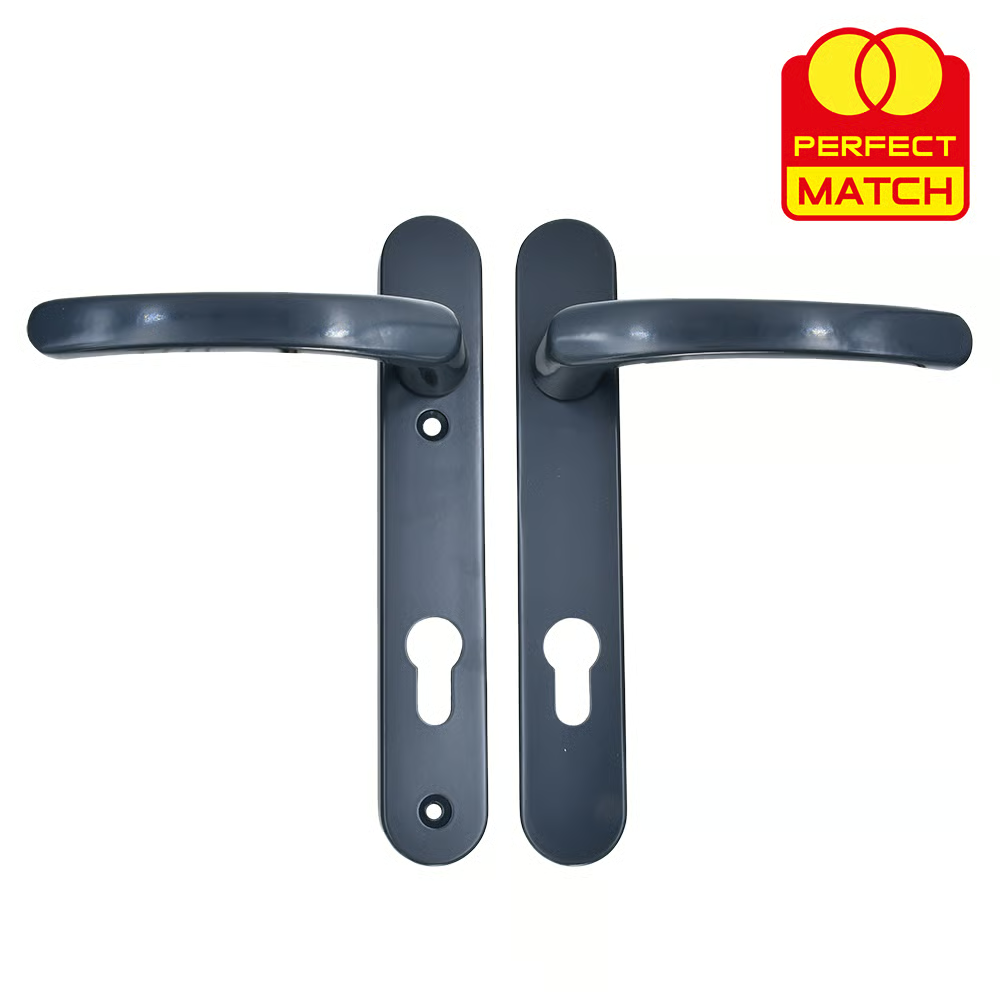
- Lever handles: suitable for internal and external doors; available with keyed cylinders or privacy locks for bathrooms and bedrooms.
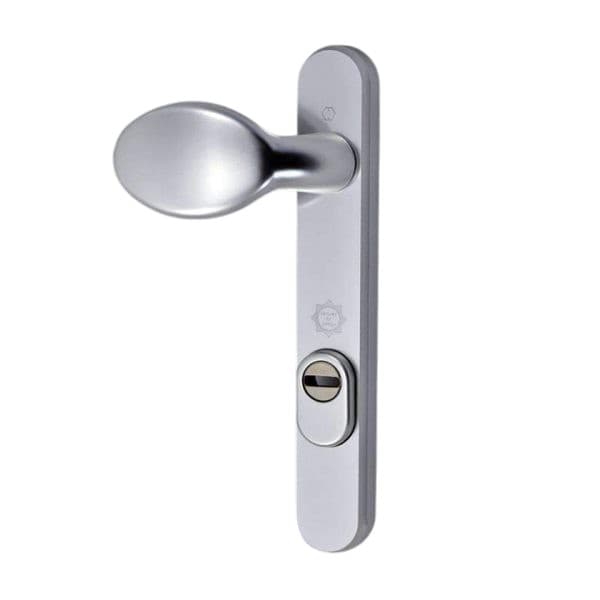
- Knobs: less common in high-traffic areas; good for period properties where authenticity is required.
- Pull handles and bars: for commercial or heavy-duty entrances; pair with appropriate latches or multipoint locks.
- Escutcheons and roses: choose a design and fixing method that matches the handle and covers the lock mechanism neatly.
Other selection factors:
- Material and finish: brass, stainless steel, zinc alloy and aluminium offer different durability and maintenance profiles; choose corrosion-resistant finishes for coastal locations.
- Backset and spindle size: ensure compatibility with existing latch cases and door thickness; a mismatch leads to poor operation.
- Fire and safety standards: check for required certification on communal and commercial doors; some jobs demand specific rated hardware.
Practical installation steps for a neat result
Tradespeople will appreciate a systematic approach that saves time and reduces callbacks. Follow these steps:
- Prepare the door: remove the old handle and clean out screw holes; inspect the latch case and keep; replace damaged components.
- Check measurements: confirm spindle length, backset and door thickness. Trim spindles or use adaptor kits if needed; ensure the latch faceplate aligns flush with the edge of the door.
- Fit the latch and strike plate: mortice properly, file the rebate so the latch sits squarely; secure the strike plate to the frame with long screws for added strength.
- Install the handle: assemble the spindle and escutcheons; tighten fixings evenly to avoid twisting the handle or bowing the rose.
- Test operation: cycle the handle and check latch engagement, key operation and any privacy or locking functions; make small adjustments to alignment as required.
Tip for rental or maintenance trades: carry a range of spindle sizes, roses and fixing screws in your van to complete upgrades in one visit.
Security and compliance considerations
Upgrading a door handle is not merely cosmetic: it is an opportunity to improve security. Key points to consider:
- Use UK-approved cylinders and locks where applicable; anti-snap, anti-bump and anti-drill features improve resistance to forced entry.
- For external handles, consider lever handles with integrated cylinder guards or through-fix roses that reduce leverage on the cylinder.
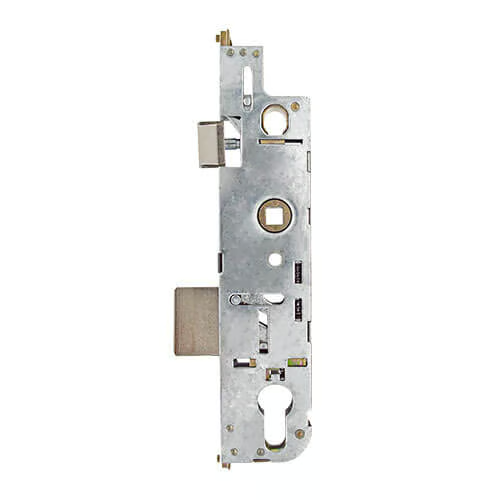
- Ensure multi-point locks remain fully supported by compatible handles and that the handle lever does not compromise the locking sequence.
- For communal, public or commercial buildings check fire escape and disability access requirements; lever handles often offer better accessibility compliance.
Maintenance tips to extend lifespan
Proper maintenance reduces premature replacement and keeps operation smooth. Recommended routine actions:
- Lubricate moving parts every 6–12 months with a graphite or silicone lubricant; avoid heavy oils that attract dust.
- Tighten screws periodically; using thread-lock on fixings helps prevent recurring loosening in high-use doors.
- Inspect seals and weatherstripping on external doors to prevent moisture ingress that accelerates corrosion of the handle and locking mechanism.
- Replace worn spindles or rose fixings at the first sign of play rather than waiting for complete failure.
Deciding between repair and full replacement
Assess cost, disruption and future performance when advising clients or planning a DIY job. Consider these guidelines:
- Repair if: the issue is isolated to a spindle, loose screws or a sticky latch that responds to lubrication and adjustment.
- Replace if: there is visible corrosion, security vulnerabilities, or the style and function no longer meet use requirements.
- Upgrade if: you are improving accessibility, matching new doors or meeting regulatory standards; a full replacement ensures consistent appearance and operation.
Conclusion: Replacing a door handle is a relatively small job that yields big benefits for function, security and appearance. For tradespeople, accurate measurement, correct part selection and neat installation minimise call-backs; for homeowners, timely upgrades prevent security issues and save money over time. When in doubt, choose quality components suited to the door and the environment; a correctly specified door handle will perform reliably for years.
Recommended Products
Based on this article, you may find these products helpful:
Part of our guide:
Complete Guide to Door Handles