
uPVC Door Cat Flap Installation Cost: Professional Fitting Prices
uPVC Door Cat Flap Installation Cost: Professional Fitting Prices. If you are a UK homeowner or trade professional planning to fit a cat flap for upvc door...
uPVC Door Cat Flap Installation Cost: Professional Fitting Prices. If you are a UK homeowner or trade professional planning to fit a cat flap for upvc door, this post gives clear cost ranges, practical trade advice and DIY guidance so you can budget correctly and choose the right approach for your door type and pet.
Typical costs: unit, labour and extras
Costs vary depending on the type of cat flap, the door construction and whether glass cutting or reinforcement is needed. Typical UK price ranges are:
- Basic mechanical cat flap unit: £40 to £120. These are simple push-through flaps without electronic control.
- Microchip or selective-entry cat flap unit: £120 to £300. Brands such as SureFlap and PetSafe sit in this band.
- Professional fitting to a standard uPVC panel: £80 to £200 labour; total supply and fit for a basic unit £120 to £350.
- Installation into double-glazed or laminated glass, or replacement of the sealed unit to accommodate a flap: £250 to £700, depending on glass type and labour.
- Additional materials and security reinforcement (backplates, sealant, insulation): £20 to £80.
Prices usually exclude VAT and will vary by region and installer. A typical professional fit to a solid uPVC door including a mid-range microchip flap commonly totals around £250 to £450.
Factors that affect cost
- Door construction: hollow uPVC panels are easier to cut than reinforced or steel-core doors; composite doors and glass-panelled doors are more costly to modify.
- Location of multipoint locking or reinforcing steel: cutting into reinforcement adds time and may require specialist hardware or filler work.
- Type of flap: mechanical is cheaper; electronic selective-entry models cost more and require power or battery access and sometimes additional wiring work.
- Glazing work: cutting or replacing sealed units is specialist work that pushes the cost up significantly.
- Security and weatherproofing: adding a reinforcement plate, draught-proofing and proper sealing increases both cost and longevity.
DIY vs professional fitting: when to hire a pro
DIY can be suitable for experienced DIYers working on simple hollow uPVC panels and using a quality template. However, hire a professional if:
- The door contains steel reinforcement or is a composite door; improper cutting can weaken the door and affect the multi-point lock.
- The flap is to be fitted into glazing or a sealed unit; this requires a glazier and replacement sealed units to maintain thermal performance.
- You want an electronic microchip flap and need tidy battery access or mains wiring routed safely.
- You need guarantees for workmanship and product fitting for insurance or rental compliance.
Practical trade advice for installers
- Always carry out a full site survey: remove the door if possible to inspect the inner construction and locate any reinforcement, runners and the multipoint lock mechanism.
- Use the manufacturer’s template and take accurate measurements based on the pet’s height; for cats the bottom of the aperture is commonly set 100 to 150mm above the finished floor but measure the animal rather than relying on fixed heights.
- If cutting into uPVC with metal reinforcing, consider fitting a steel backplate around the aperture before installing the flap to restore rigidity and improve security.
- Seal all edges with appropriate low-modulus sealant and use closed-cell foam to insulate voids to avoid condensation and draughts.
- When fitting microchip flaps check antenna orientation and avoid fitting the electronics next to large metal sections that can attenuate the signal.
- For glass installations: only a qualified glazier should remove and replace sealed units. If replacing a glazing unit with a pre-cut pet-flap unit, confirm U-value and warranty implications with the window or door manufacturer.
DIY guidance: tools, steps and tips
If you intend to install a cat flap for upvc door yourself, follow these practical steps. Only attempt this if you are confident in working with power tools and understand the door construction.
- Tools and materials: manufacturers’ template, tape measure, pencil, drills (including hole saw), jigsaw with fine-tooth blade for uPVC, files, sandpaper, silicone sealant, masking tape, spirit level, screwdriver and personal protective equipment.
- Step-by-step overview: remove the door where possible; attach the template and mark cut lines; drill starter holes at the corners; cut the aperture with a jigsaw; deburr and clean edges; dry-fit the flap, add reinforcement if needed, then seal and fasten both inner and outer frames.
- Workbench tip: removing the door and laying it flat on sawhorses makes cutting far safer and more accurate than working vertically on hinges.
- Weatherproofing: apply continuous sealant around the perimeter and use foam filler inside hollow sections to prevent rattles and thermal bridges.
Common issues and how to avoid them
- Draughts: ensure a continuous seal and replace any compressed foam in hollow door panels;
- Interference with locks: locate the multipoint lock and reinforcing before cutting; avoid the lock zone;
- Electronic non-detection: position microchip antenna away from metal reinforcements and test with the pet before finalising;
- Warranty or insurance concerns: check whether modifying the door will void guarantees and inform insurers if the property is rented.
Estimating your project
Quick budget checklist:
- Basic mechanical cat flap + DIY fit: £60 to £180.
- Mid-range microchip cat flap + professional fit to standard uPVC panel: £250 to £450.
- Glass replacement or high-security reinforcement + specialist labour: £350 to £700+.
Obtain at least two on-site quotes for professional work and ask for a breakdown showing unit cost, labour hours and any glazing or reinforcement charges.
Recommended Products
Based on this article, you may find these products helpful:
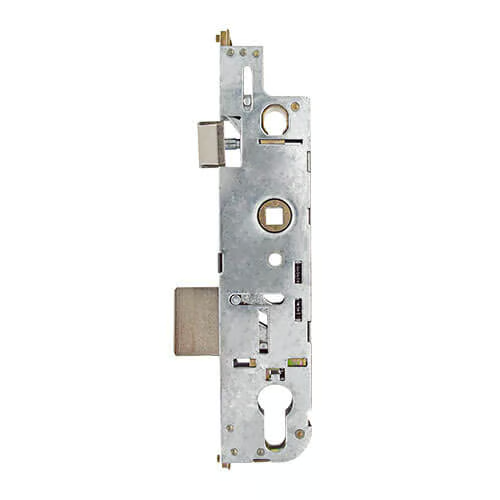
- Multipoint Gearbox GU Old Style
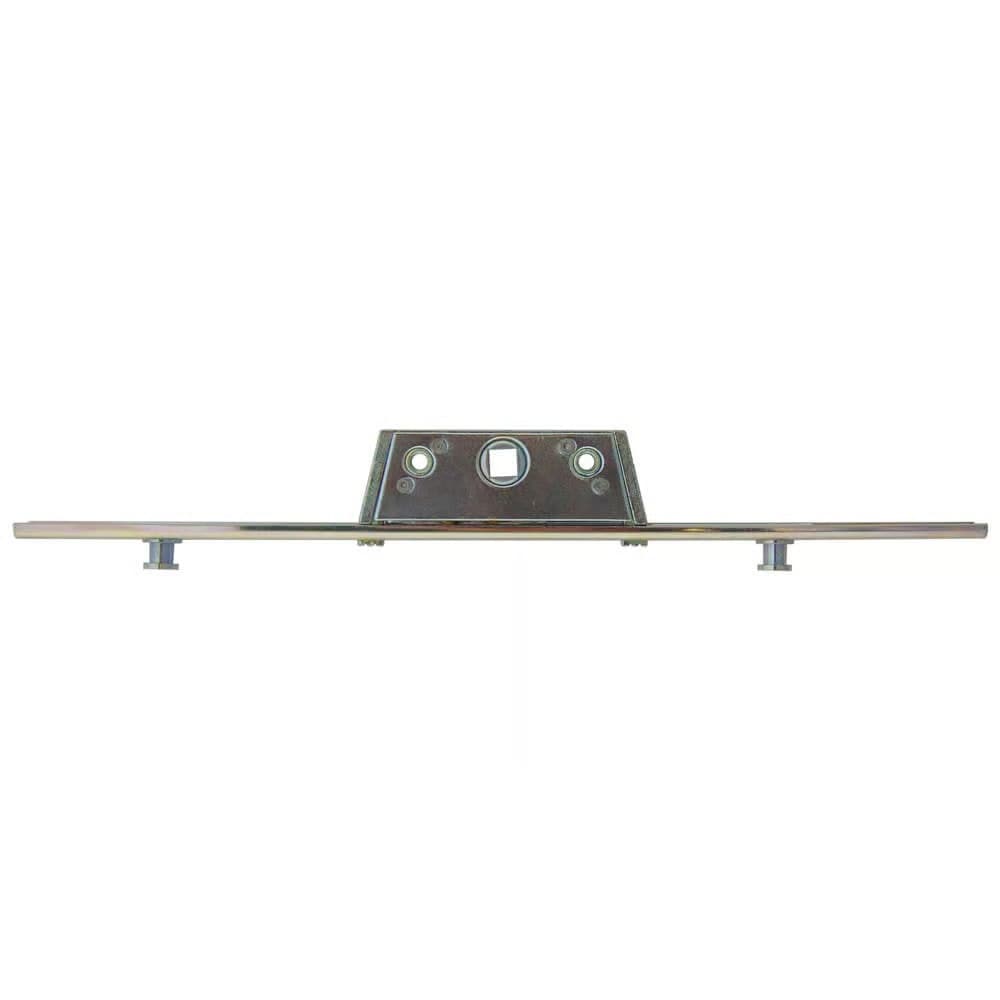
- In-Line Window Mechanism
- Offset Window Mechanism
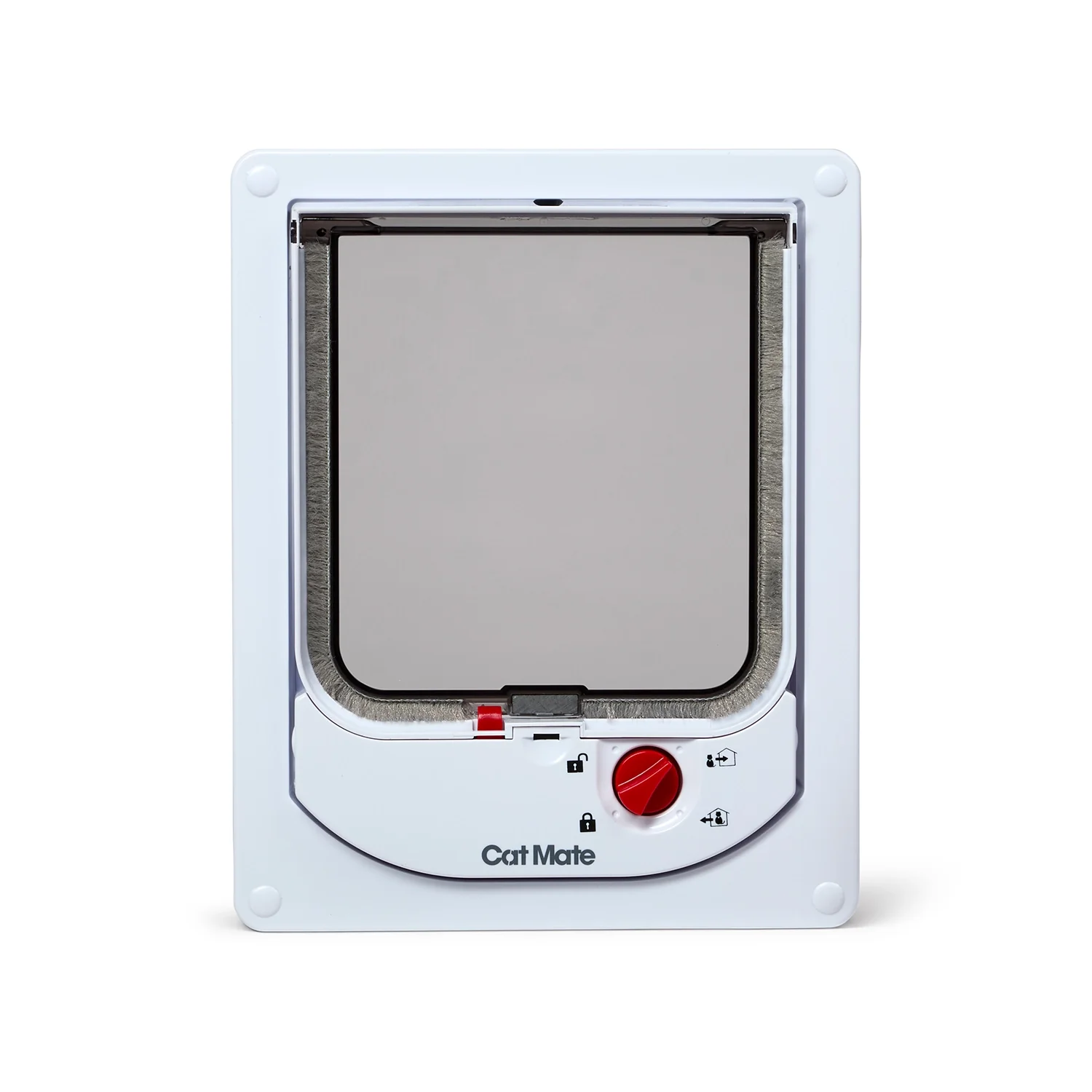
- Cat Mate Electromagnetic Cat Flap
- E-Type Gasket - Black 5m Roll
Conclusion and next steps
Fitting a cat flap for upvc door can be straightforward and economical when the door is a standard hollow uPVC panel; costs rise for electronic models, reinforced doors and glazed installations. Decide whether a DIY approach is appropriate, or arrange a professional survey if the door contains reinforcement or glass. For more product comparisons and fitting guides see our pet-flaps hub at /guides/pet-flaps, and contact a qualified installer or supplier for on-site advice and accurate quotes.

Related articles
Replacing uPVC Door Panels with Cat Flap Panels: A Cleaner Solution
Replacing a uPVC door panel with a purpose-made cat flap panel is a practical way to give pets easier access while keeping the rest of the door intact. Whe...
Rented Property Cat Flap Options: What Landlords Need to Know
Rented Property Cat Flap Options: What Landlords Need to Know Installing a cat flap in a rented property can improve tenant satisfaction but it raises ques...
Dog Flap Insulation: Preventing Heat Loss Through Larger Pet Doors
Dog Flap Insulation: Preventing Heat Loss Through Larger Pet Doors Large dog flaps are convenient for owners and pets, but they create a significant therma...