
What Is a Friction Hinge? A Complete Guide to Window Stays
What Is a Friction Hinge? A Complete Guide to Window Stays A friction hinge is a specialised piece of hardware that controls the opening and position of ca...
What Is a Friction Hinge? A Complete Guide to Window Stays
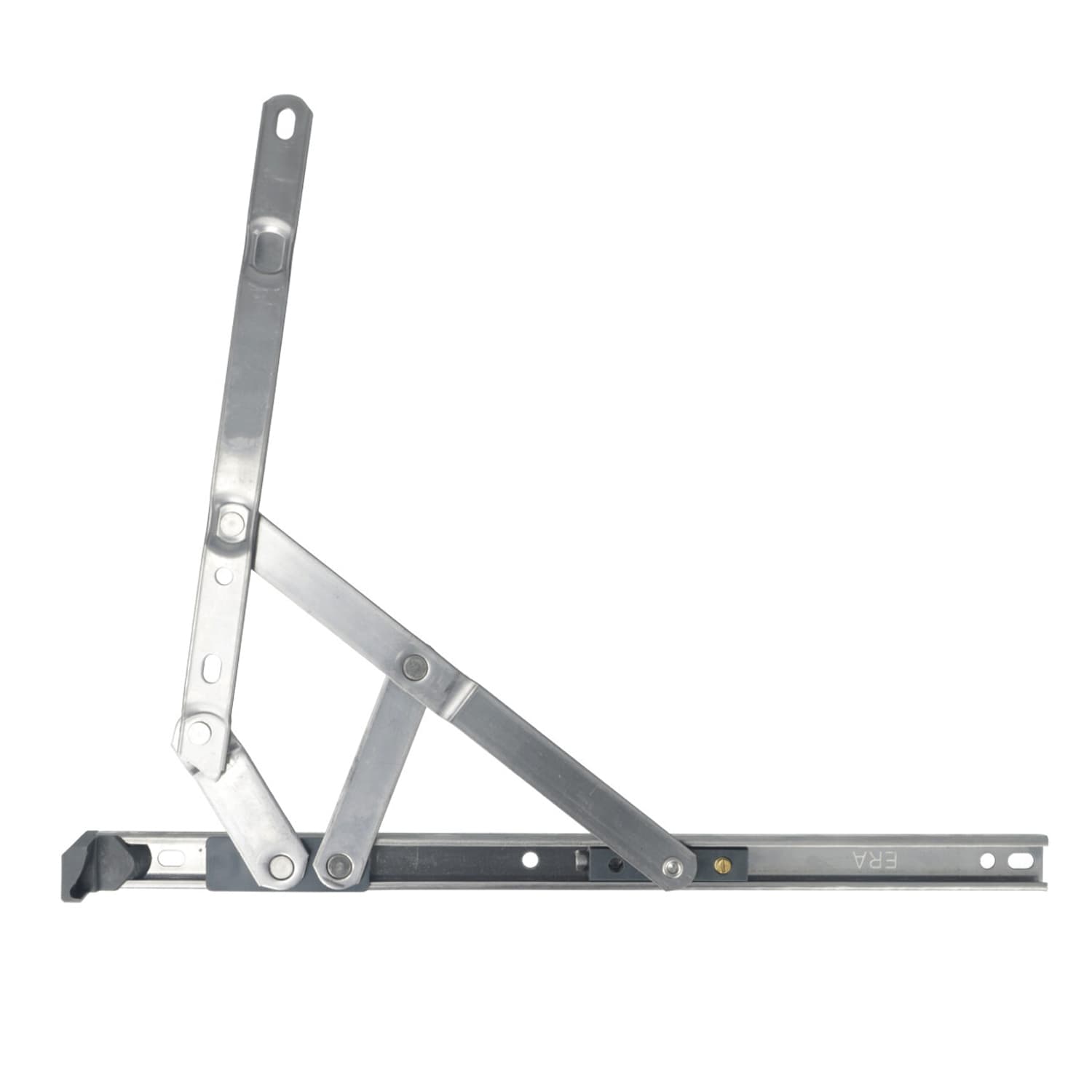
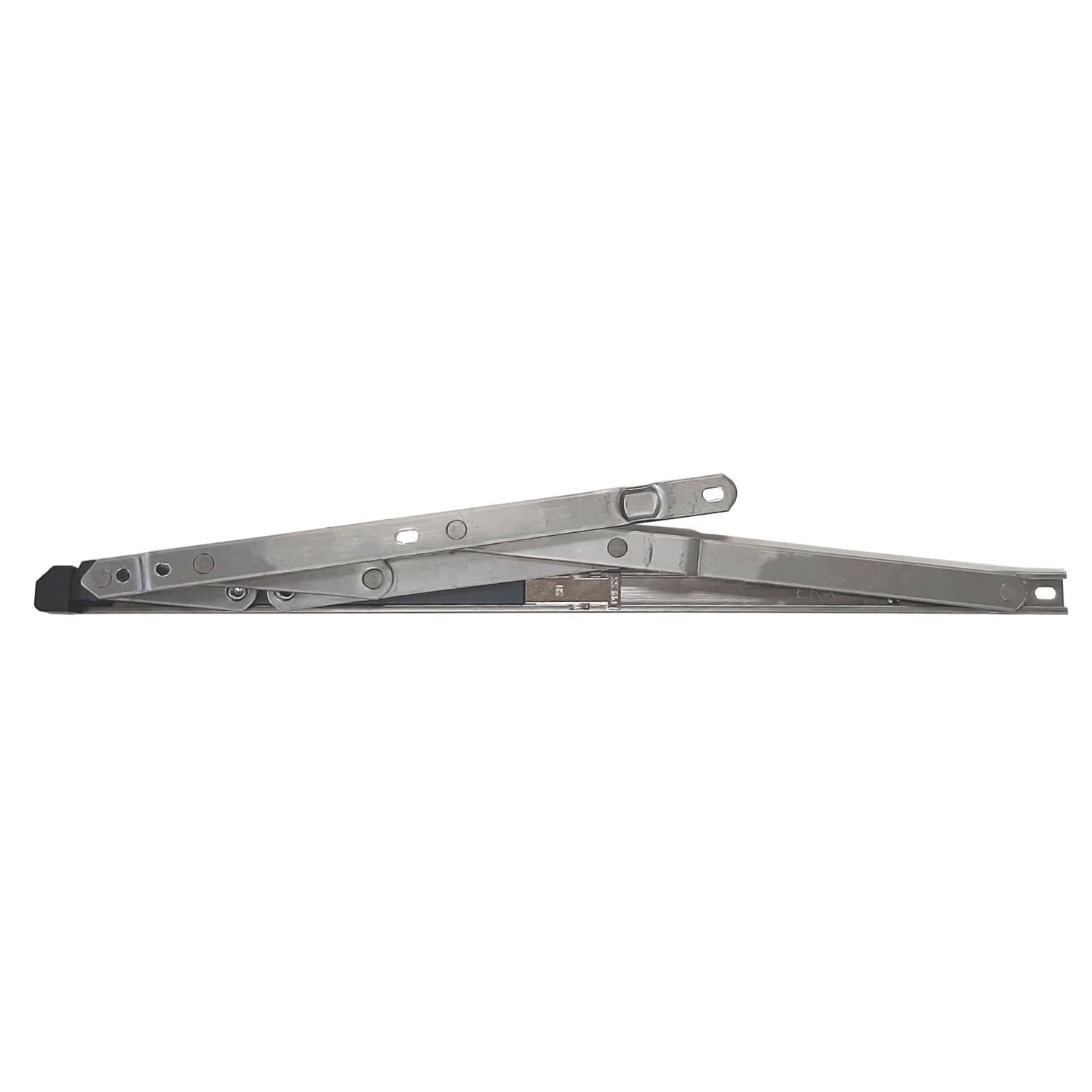
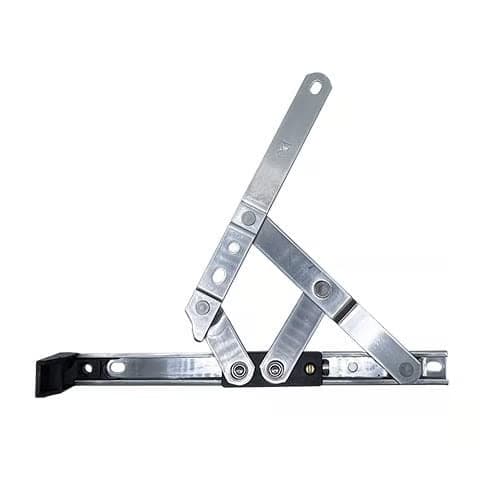
A friction hinge is a specialised piece of hardware that controls the opening and position of casement windows and some rooflights; it provides resistance so the sash remains at set angles without additional stays or catches. Commonly called window stays in some trade circles, friction hinges are essential for modern flush or tilt-and-turn style windows. This article covers how they work, types, selection advice for tradespeople, and practical DIY tips for homeowners.
What a friction hinge does and where it is used
Friction hinges allow a window sash to open and stay open at variable angles. They are fitted to side-hung, top-hung, and top-tilt windows and are a standard solution for PVC-u, aluminium, and timber frames. Because the hinge provides continuous resistance rather than a simple stop, it is ideal for ventilation control, safe cleaning positions, and preventing uncontrolled movement in windy conditions.
How friction hinges work
Inside a friction hinge there are moving plates, pivots and a tensioning mechanism. When the sash is opened, the hinge generates resistance through friction pads or adjustable springs; the amount of resistance determines how easily the sash moves and how well it holds its position. Many commercial hinges have an adjustment screw or Allen key point that allows installers to increase or decrease the friction to suit sash weight and intended use.
Types of friction hinges and finishes
- Standard side-hung friction hinges: for outward or inward opening casements.
- Top-hung and friction stays: allow the window to project outwards and stay open at different angles.
- Tilt-only stays: provide limited movement for cleaning or ventilation.
- Heavy duty friction hinges: designed for large or heavy sashes, often with higher torque ratings and reinforced arms.
Finishes include zinc plated, stainless steel (Grade 304 for general use; Grade 316 for coastal applications), and powder-coated versions to match window colours. Choose corrosion-resistant materials for marine or exposed installations.
Selecting the correct friction hinge: trade considerations
For trade professionals, selecting the correct hinge involves matching hinge capability to window dimensions, sash weight and operating requirements. Key factors to consider:
- Load capacity: check the hinge's rated sash weight and combine with the number of hinges recommended by the manufacturer.
- Sash dimensions: long or tall sashes may require additional hinges or heavy duty variants to prevent stress on the frame.
- Fixing centres and screw lengths: use the manufacturer specified screw lengths into solid timber or into adequate backing in aluminium and PVC-u frames.
- Performance standards: ensure hardware meets applicable UK performance and safety standards and is compatible with the chosen locking and restrictor mechanisms.
- Adjustment range: confirm whether the hinge allows on-site friction adjustment so installers can fine-tune performance once the sash is fitted.
Practical installation advice for tradespeople
Correct installation saves time and reduces callbacks. Use these practical tips:
- Pre-fit checks: verify sash weight and size, and check that the frame is square and true before installing hinges.
- Number of hinges: larger sashes typically require three or more hinges; follow manufacturer charts rather than guessing.
- Fixings: use corrosion-resistant screws; for PVC-u, fit screws that bite into the reinforcement or use appropriate anchors to avoid compressing the frame profile.
- Torque and adjustment: do initial friction adjustment with the sash supported; tighten incrementally and test through the full opening range. Avoid overtightening; that causes rapid wear and difficulty in operation.
- Sealing and weathering: ensure the hinge sits flush and does not distort seals; check weatherstrip compression after fitting.
DIY guidance for homeowners
Homeowners can manage simple tasks with basic tools, but always respect safety and warranty conditions. Useful DIY tips:
- Support the sash before removing hinges: use a second person or temporary props to prevent damage or injury.
- Adjustment: if a window sags or is hard to move, try adjusting the friction screws slightly; small turns can make a big difference.
- Lubrication: apply a light machine oil or lubricant recommended by the hinge manufacturer to pivot points; avoid heavy greases that attract dirt and impede weather seals.
- Cleaning: keep the hinge area free of debris and paint splashes; clean with a mild detergent and rinse thoroughly.
- When to call a professional: if the hinge is corroded, broken, or if the sash requires major realignment, contact a competent window fitter. Incorrect refitting can affect security and weather performance.
Maintenance and common faults
Routine maintenance extends hinge life and keeps windows secure and functional. Inspect hinges annually for play, corrosion, or wear; tighten fixings and adjust friction as required. Common issues include:
- Loose screws: can cause sagging or misalignment.
- Worn friction pads: leads to the sash not holding position; replacement parts are often available from the hinge supplier.
- Corrosion: especially in coastal properties; replace with 316-grade stainless steel components if necessary.
- Paint build-up: painted hinges can seize; carefully remove paint and re-lubricate when repainting frames.
Compatibility, safety and regulations
Ensure the chosen friction hinge is compatible with existing locking points, handles and restrictors. For escape windows, check that the hinge allows the required clear opening size and that any restrictor devices comply with building safety expectations. Always follow the window manufacturer’s guidance and refer to product data sheets for load ratings and installation instructions. For installations on new builds or refurbished properties, consult relevant building regulations and the specifier where applicable.
Recommended Products
Based on this article, you may find these products helpful:
- Top Hung Friction Stay - 12"
- ERA Egress (Fire escape) Friction Stay
- TSS Standard Friction Stays – 13mm & 17mm Stack Height
- Restricted Friction Stay Hinges
- Top-Hung Window Hinge - Standard
Conclusion and next steps
Friction hinges provide controlled movement and reliable positioning for a wide range of window types. Choosing the right hinge means matching weight, size, finish and adjustment features to the application. For tradespeople, follow manufacturer charts and use correct fixings and torque settings. Homeowners can perform routine checks and minor adjustments; contact a professional for replacements or major alignment work.
Next steps: review the hinge specification for your window, consult the product data sheet, and if you need hardware options or technical support visit our pillar page on window hinges at /guides/window-hinges or contact our technical team for advice tailored to your project.
Related articles
Period Window Stays: Heritage Options for Older Properties
Period Window Stays: Heritage Options for Older Properties Older properties often require hardware that respects traditional appearance while providing mod...
Replacing Old Window Stays: Finding Matching Hardware
Replacing an old window stay can restore functionality, security and appearance to a worn casement. Whether you are a joiner, a glazing contractor or a dil...
How to Replace Friction Hinges on uPVC Windows
How to Replace Friction Hinges on uPVC Windows Overview Friction hinges are the most common operating mechanism on uPVC casement windows in the UK. They al...