When Do You Need Parliament Hinges? Practical Examples
A parliament hinge is a specialised type of butt hinge with an extended knuckle and wide throw; it allows a door or window to swing clear of its frame and ...
A parliament hinge is a specialised type of butt hinge with an extended knuckle and wide throw; it allows a door or window to swing clear of its frame and sit almost parallel to the adjacent wall. Tradespeople and DIYers often choose parliament hinges when standard hinges would not provide the required clearance for architraves, skirting or external casements. This article outlines typical situations when you need a parliament hinge, practical installation tips, and common pitfalls to avoid.
Typical situations where a parliament hinge is required
Parliament hinges are not a decorative extra; they solve real clearance problems. Consider these practical examples:
- External French or patio doors that must open fully against an external wall: a parliament hinge lets the leaf clear the frame and hardware so it can sit flat against the wall, maximising the opening width.
- Internal doors that need to open flat against skirting or deep architrave: in older properties with thick mouldings, parliament hinges prevent the door from striking the trim.
- Casement windows where the handle or frame would hit an internal reveal: using a parliament hinge gives the sash enough swing to open fully without removing handles or trims.
- Wide cupboard or utility doors that require a larger opening angle for access: they allow the door to clear surrounding joinery.
- Doors serving disabled access routes where a full, obstruction-free opening is essential: parliament hinges can help achieve the required clearance without altering surrounding fabric.
- Temporary or removable partition doors where you want the leaf to fold back out of the way: the wide throw is useful when the door needs to lie flat.
Choosing the right parliament hinge: trade considerations
Selecting the correct hinge involves more than size. Trade professionals should check these points before specifying or fitting:
- Material and finish: use stainless steel (304) for most external situations; use 316 grade for coastal locations. Brass or corrosion-resistant plated steels are acceptable for internal use where aesthetics matter.
- Load capacity and bearing type: heavy doors need ball-bearing parliament hinges to reduce wear; check manufacturer load ratings and install three hinges on doors over 40kg.
- Clearance and throw: confirm the hinge throw is sufficient to clear architrave, skirting and hardware. Some parliament hinges offer greater offsets; measure on-site rather than assuming suitability.
- Security: for external doors choose fixed-pin or non-removable-pin hinges where possible; use security screws or bolts into the frame. Remember: the hinge leaf on the frame side must still maintain sufficient fixings.
- Compliance: do not use non-certified parliament hinges on fire doors unless they are specifically fire-tested for that application; consult relevant building regulations.
DIY fitting: practical steps and tips
For competent DIYers a parliament hinge can be fitted successfully with the right preparation. Follow these steps:
- Measure first: work out the hinge offset required by measuring from the door face to the obstruction (architrave/skirting). Choose a hinge with at least that offset plus a few millimetres for movement.
- Mark hinge positions: position hinges at the same points you would with standard hinges; typically 200mm–250mm from top and bottom, and a third hinge mid-height for heavy doors.
- Mortice if required: many parliament hinges are surface-mounted but some are half-morticed for a neater finish. If morticing, mark the depth carefully and ensure the frame has sufficient material; chisel or use a router for accuracy.
- Use correct screws: timber doors and frames need long, sturdy screws (no less than 40mm into hardwood). Countersink where appropriate and use pilot holes to avoid splitting.
- Pack for alignment: because of the added projection, you may need timber packers behind the hinge leaf on the frame to achieve plumb and even gaps. Shim incrementally and test swing frequently.
- Lubricate pivots: apply a light lubricant to the knuckle to ensure smooth operation; do not use heavy greases that attract dust.
- Check seals and thresholds: for external doors, confirm weatherstrips and thresholds still seal with the new opening position; you may need to adjust or replace seals to prevent draughts.
Common mistakes and how to avoid them
Tradespeople and DIYers often make similar errors when fitting parliament hinges. Avoid these to ensure a long-lasting, functional installation:
- Wrong hinge offset: choosing a hinge with insufficient throw is the most common fault; always measure the obstruction, not the hinge on another job.
- Insufficient fixings: short or thin screws fail under load; use proper-sized fixings and, where possible, screw into solid timber or use packers behind soft frames.
- Ignoring door weight: heavy doors fitted to standard parliament hinges without bearings will sag over time; specify ball-bearing models and add a third hinge where necessary.
- Using on fire-rated doors without certification: this compromises safety and will fail inspection. Always use certified hardware for fire doors.
- Poor weatherproofing: assuming the door will still seal correctly can lead to draughts and water ingress; test and adjust seals after fitting.
Alternatives and when not to use parliament hinges
While parliament hinges are versatile, other hinge types can be more appropriate:
- Offset hinges: use these when only a minor offset is needed; they give a small clearance without the full projection of a parliament hinge.
- Pivot hinges: for very heavy doors or high-use commercial doors, pivots spread the load and can allow large openings without projecting into the room.
- Continuous hinges: for long, tall doors or where security and load distribution are crucial, a piano hinge provides continuous support along the length.
Recommended Products
Based on this article, you may find these products helpful:
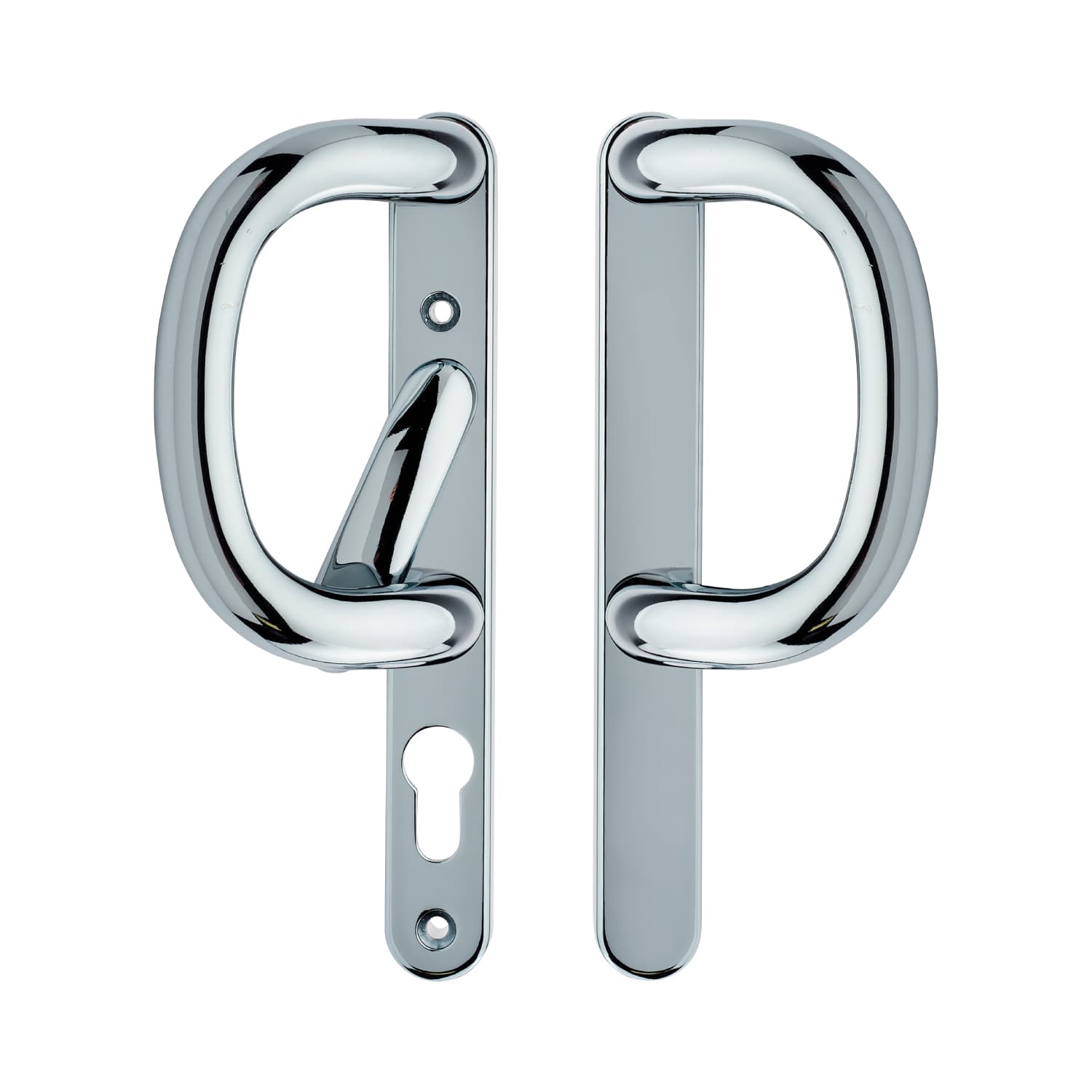
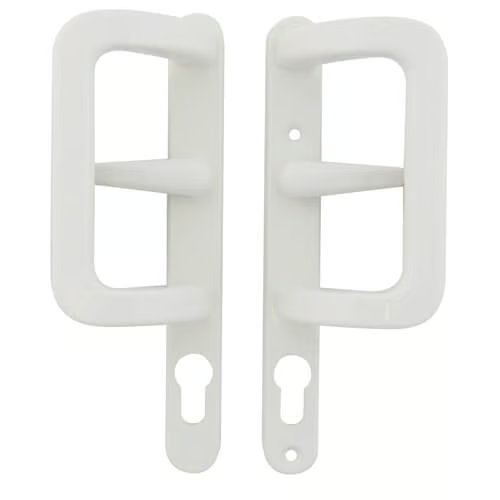
- Patio Door Handle Set - 92PZ White
- Winlock Patio Door Handle Set
- Pembroke Locking And Dummy Patio Door Handle
- Flag Door Hinge - Stainless Steel
- Adjustable Flag Hinge - 100mm
Conclusion and next steps
Parliament hinges solve specific clearance and access problems for doors and windows, particularly in period properties and situations where the leaf must lie flat against a wall. For trade customers, specify material grade, bearing type and load rating; for DIYers, measure carefully, use correct screws and test seals after fitting. If you need further technical specifications or product recommendations, see our door hinge resources at /guides/door-hinges or contact the Window Hardware Store team for advice and supply of suitable parliament hinges and accessories.