Flag Hinge Maintenance: Preventing Sticking and Dropping
Flag Hinge Maintenance: Preventing Sticking and Dropping Flag hinges are a common choice for external doors, gates and some window styles because they allo...
Flag Hinge Maintenance: Preventing Sticking and Dropping
Flag hinges are a common choice for external doors, gates and some window styles because they allow rapid removal of a leaf without fully unfixing the frame. However, left without attention they can seize, bind or allow a door to drop, causing operational problems and security risks. This post explains practical inspection, lubrication, adjustment and replacement techniques suitable for UK homeowners and trade professionals; it includes safe DIY steps and pointers for specialist repair where needed.
What is a flag hinge and where it is used
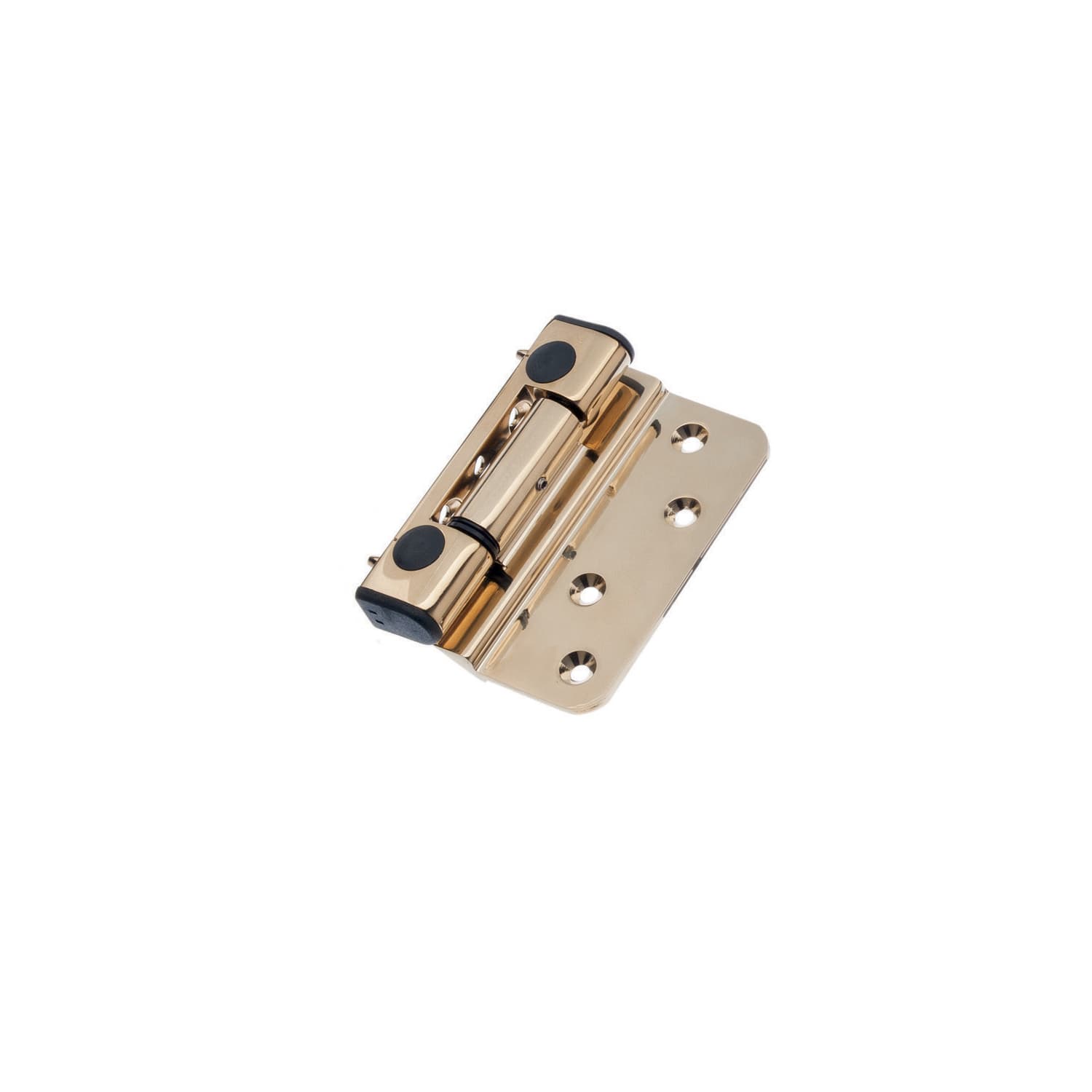
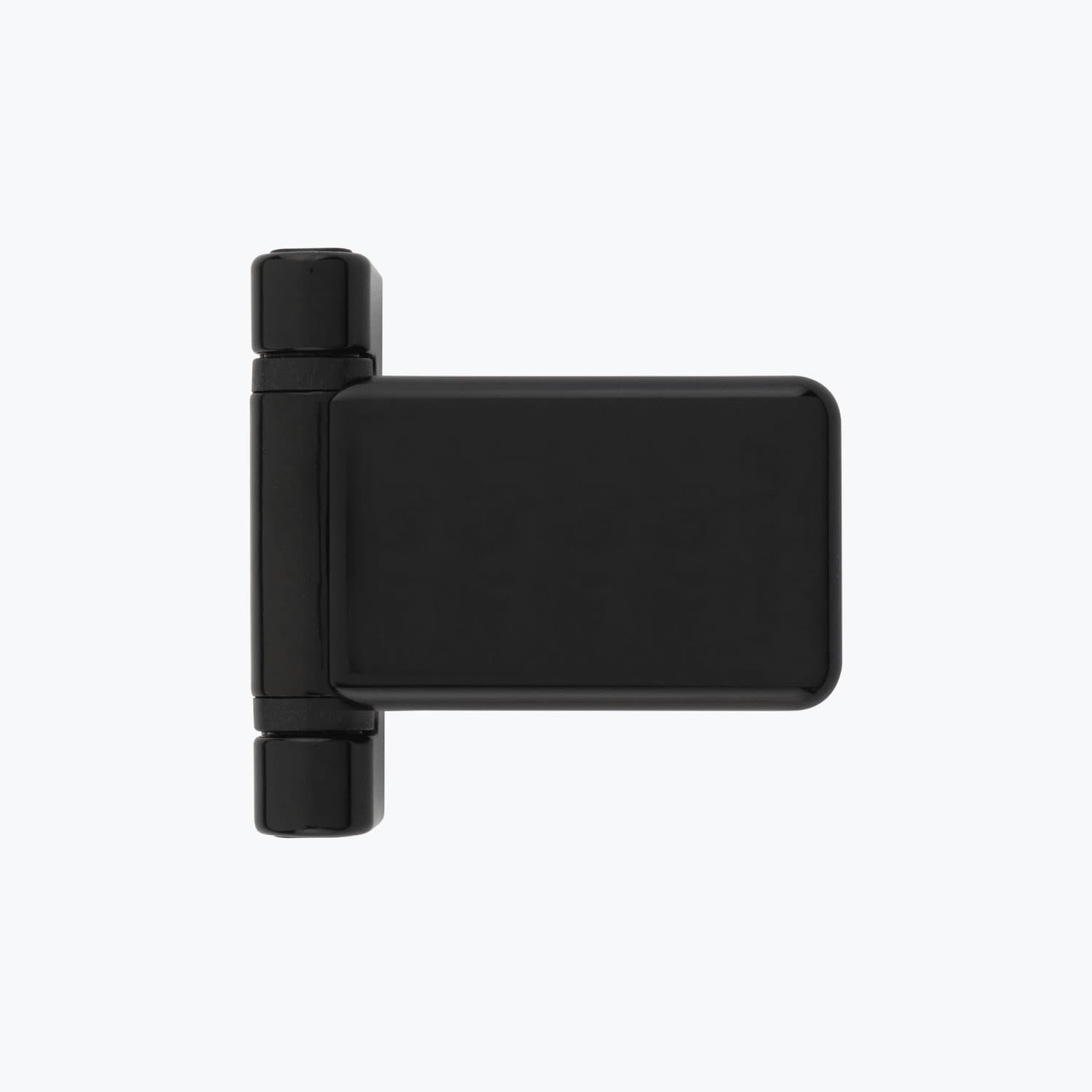
A flag hinge, sometimes called a lift-off or removable hinge, features a fixed leaf and a removable flag or pintle that slots into a mating knuckle. The design lets the door or window leaf be lifted off vertically for maintenance or site access. Flag hinges are used on timber, composite and metal doors, gates and some casement-style windows. They are available in different finishes and materials including zinc-plated steel, stainless steel and coated options for coastal environments.
Common causes of sticking and dropping
- Accumulation of dirt, grit and paint at the hinge knuckle which prevents smooth rotation.
- Corrosion of hinge components, particularly on steel hinges in exposed locations.
- Worn pivot sleeves or bearings leading to excess play and subsequent door droop.
- Loose fixing screws in either the frame or the leaf causing the hinge to pull away and the door to sag.
- Incorrect installation: insufficient packers, wrong screw length or poor alignment at fitting.
- Missing or broken grub screws, cotters or retaining clips that secure the flag in place.
Routine maintenance: inspection, cleaning and lubrication
Regular checks will prevent most problems. Recommended frequency depends on exposure and usage: high-traffic doors and coastal installations should be inspected quarterly; most domestic doors benefit from checks twice yearly.
- Inspection: open and close the door slowly and watch the hinge operation. Listen for grinding noises and note any vertical or lateral movement in the leaf.
- Cleaning: remove surface dirt with a stiff brush and wipe with a mild detergent solution. For heavy grime use a citrus-based cleaner or a rag with isopropyl alcohol; avoid aggressive acids on plated finishes.
- Lubrication: use a light penetrating oil for initial freeing if seized. For ongoing lubrication use silicone spray or a PTFE-based aerosol; they repel dust and are suitable for uPVC and aluminium. For heavy-duty steel hinges or those with bearings consider a light lithium or white grease applied sparingly to the pintle and bearing surfaces.
- Work the hinge: after lubricating open and close the door 10 to 20 times to work grease into the joint and displace old lubricant and moisture.
Adjustment and repair: practical trade and DIY steps
Minor adjustments are straightforward; more complex issues may need a tradesperson.
- Secure the leaf: support the door with a prop or packer before loosening any fixings; never rely on a single hinge while others are removed.
- Tighten screws: check all hinge screws and tighten using the correct head bit; replace any stripped screws with the correct length and type. Use security screws where required for external doors.
- Replace worn sleeves or bushes: many flag hinges use removable sleeves; remove the hinge flag and slide out the worn bush. Fit an OEM replacement or suitable sized nylon bush to restore correct clearance; this often cures dropping issues.
- Realign: for adjustable flag hinges, use the adjustment screws to correct height or lateral play. If the hinge is non-adjustable, introduce thin packers or shims behind the leaf to correct alignment; use corrosion-resistant metal shims on external doors.
- Re-seat the flag: if the flag lifts out easily when the door is closed, check for missing grub screw or retaining clip and replace as necessary; a correctly secured flag prevents accidental removal and improves security.
When to replace: signs and selecting a replacement
Replacement is recommended when corrosion is deep, the hinge is bent, or wear has exceeded what can be corrected with bushes and shims. For external and high-use doors choose stainless steel flag hinges or those with a protective finish. Match dimensions and screw positions exactly; measure the leaf height, flag length and hole centres, and determine the hinge hand if asymmetric. For fire doors always use hinges certified to the door’s rating and follow the manufacturer’s instructions.
Practical tips and safety
- Always support the door before removing a hinge; two people may be needed for heavier leaves.
- Avoid using penetrating oils as a long-term lubricant; they clean but do not provide lasting lubrication. Finish with a PTFE or grease suitable for the hinge material.
- Use stainless steel fixings and hinges in coastal locations to avoid rapid corrosion.
- Keep paint away from hinge knuckles during decoration; mask the hinge or remove the flag temporarily and re-lubricate after reinstallation.
- Document adjustments and replacements for future maintenance; trade professionals should note torque and screw types used.
Recommended Products
Based on this article, you may find these products helpful:
- Flag Door Hinge - Stainless Steel
- Adjustable Flag Hinge - 100mm
- Fab&Fix Classic Flag Hinge
- ERA Composite Door Flag Hinge
- Top-Hung Window Hinge - Standard
Conclusion and next steps
Regular inspection, cleaning and appropriate lubrication will prevent most sticking and dropping problems with flag hinges. Simple tightening, bush replacement or re-seating the flag solves many DIY jobs; more severe corrosion or misalignment may need a trade replacement. For detailed hinge options and specification advice see our pillar page: /guides/door-hinges. If you need parts, specialised stainless hardware or certified hinges for fire doors contact Window Hardware Store for technical assistance and supply.