Fire Door Parliament Hinges: Compliance Guide
Fire Door Parliament Hinges: Compliance Guide Parliament hinges allow a door to open clear of its architrave so the leaf sits parallel to the wall when ful...
Fire Door Parliament Hinges: Compliance Guide
Parliament hinges allow a door to open clear of its architrave so the leaf sits parallel to the wall when fully open. They are ideal where skirting boards or architraves would otherwise obstruct a flush opening. However, when a door is part of a means of escape or a compartmentation strategy the choice and installation of a parliament hinge becomes a compliance issue: the hinge and its fixings must not compromise the door’s fire performance. This guide helps both trade professionals and competent DIYers understand the rules, practical installation points, and inspection routines for parliament hinges on fire doors in the UK.
What is a parliament hinge and when can it be used on a fire door?
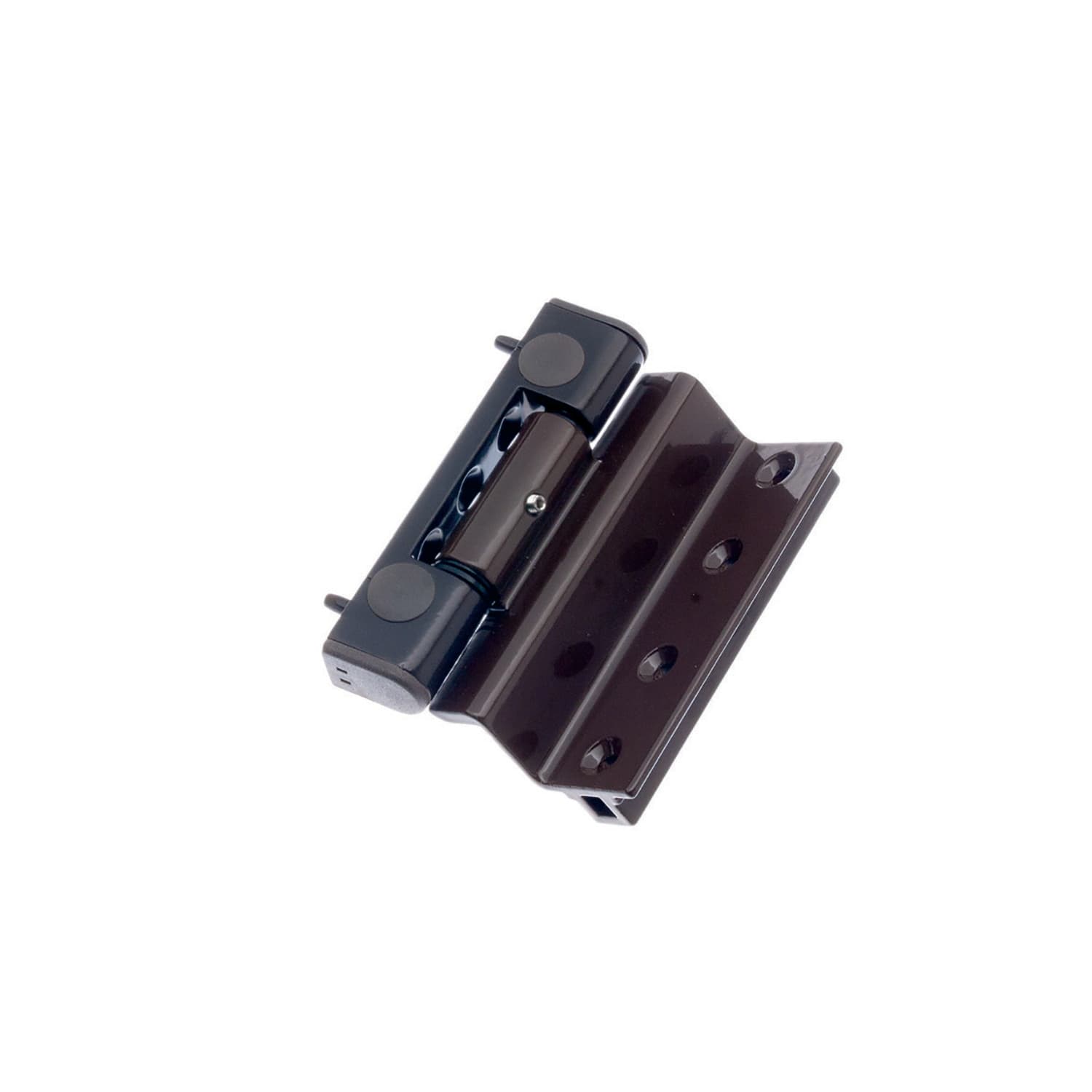
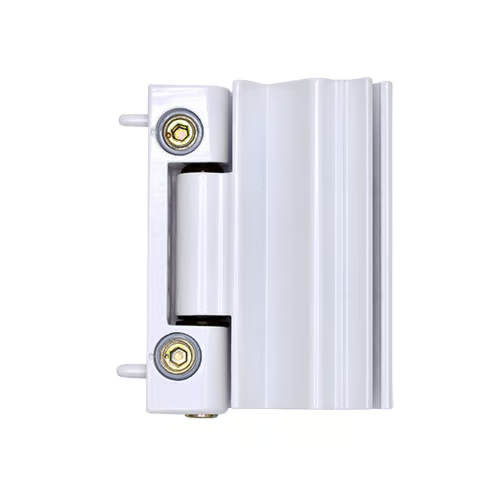
A parliament hinge is a variation of a butt hinge with a wider knuckle and extra projection so the door clears the frame or mouldings. They are available morticed or surface-mounted and in ball-bearing designs for heavy use. For any fire door application the critical point is this: the hinge must form part of a fire-resisting door assembly; it must be either included in the door’s fire test evidence or be a fire-tested component approved for use on the specified rating, for example FD30 or FD60.
Regulatory and certification essentials
- Building Regulations: Fire doors are governed by Approved Document B and local authority guidance; doors forming part of protected routes or separating compartments must meet the required fire resistance.
- Standards and tests: Fire doors and their components are tested to standards such as BS EN 1634-1; hinges are often listed in the test evidence for an assembly, or they will have their own test reports.
- Third-party certification: Look for certification such as Certifire or other reputable schemes; certification demonstrates the hinge has been assessed for use on tested doors.
- UKCA/CE marking: Components sold in Great Britain should carry UKCA marking where applicable; CE marking remains relevant for Northern Ireland and certain supply chains. Check current regulatory guidance when specifying.
Selecting the right parliament hinge for fire doors
- Use only hinges that are fire-tested as part of the door assembly or listed on the door manufacturer’s test evidence; do not assume a non-tested parliament hinge is acceptable simply because it is made from steel.
- Choose the correct rating: match the hinge to the door’s fire rating, for example FD30 or FD60. If your door is an FD30S fire door, all ironmongery must be covered by the door’s certification.
- Material and finish: stainless steel or zinc-plated steel are common; for external faces choose corrosion-resistant finishes. Ball-bearing hinges are recommended for heavy or high-traffic doors.
- Number of hinges: industry practice is typically three hinges for FD30 doors and four for FD60 doors; heavy doors may require additional hinges as specified by the manufacturer.
Practical trade advice for installation
- Follow the door manufacturer’s instructions and the hinge manufacturer’s fitting details; the fire test evidence will usually include hinge positions and fixings required to maintain rating.
- Fixings: use the screws supplied or specified by the manufacturer; screws must engage the frame substrate securely. Use corrosion-resistant screws in damp or external locations.
- Hinge positions: common practice is to position the top hinge 125–150mm from the top edge and the bottom hinge 125–150mm from the bottom edge; space middle hinges evenly. Confirm exact positions with the test evidence.
- Clearances and seals: maintain the door-to-frame clearances specified by the manufacturer; these are critical for intumescent strips to operate correctly on fire exposure.
- Self-closers and intumescent protection: most fire doors require a self-closing device; ensure the closer and any intumescent strips or smoke seals are compatible and fitted as tested.
DIY guidance and common pitfalls
Homeowners and competent DIYers can replace or fit a parliament hinge to a fire door, provided they stick to the following points:
- Match like-for-like: replace an existing parliament hinge only with the exact model or one listed on the door’s fire test evidence. If you cannot confirm compatibility, consult the door supplier or a fire door specialist.
- Do not alter the door leaf or frame: cutting or morticing beyond what is specified by the manufacturer can invalidate the fire performance and the certification.
- Use correct screws and tools: countersink and fully seat screws; loose screws or shallow fixings reduce mechanical performance in a fire and under regular daily use.
- Do not remove intumescent material: if intumescent pads or strips are present near the hinge, leave them in place and ensure they are not damaged during installation.
- When in doubt, get a tradesperson: if the door forms part of a protected route, or if its integrity is critical, use a joiner or installer with fire-door experience and proof of competence.
Inspection, maintenance and record-keeping
- Checklist inspections: check hinges for loose screws, excessive wear, corrosion, and correct operation. Ensure the door closes fully and that seals and intumescent strips are intact.
- Lubrication: apply a suitable light lubricant to moving parts; avoid heavy greases that attract dust. Do not use lubrication that could contaminate intumescent materials.
- Records: maintain a simple log of inspections, maintenance and any component replacements. This is good practice for commercial premises and useful evidence for insurance and compliance audits.
- Certifications and labelling: keep copies of the door’s fire test evidence and any component certificates; if a hinge is replaced, update the records and ensure the new part is compliant.
When to consult a specialist
Consult a fire-door specialist or the door manufacturer if you plan to change hinge type, increase hinge projection, alter the door or frame, or if the door is on an escape route. Alterations can affect the tested performance and may require re-certification or a risk assessment. Where doors are subject to Building Control or regulatory oversight, obtain written confirmation before making changes.
Recommended Products
Based on this article, you may find these products helpful:
- Flag Door Hinge - Stainless Steel
- Adjustable Flag Hinge - 100mm
- ERA Challenger 3D Rebated Hinge
- Challenger Door Hinge
- UAP Adjustable Hinge for Composite Doors
Conclusion and next steps
Parliament hinges can be used on fire doors, but only when they are part of a fire-tested assembly or have suitable certification. For tradespeople: always specify hinges listed on the door’s test evidence, use correct fixings, and follow manufacturers’ installation details. For DIYers: match like-for-like, avoid altering the door or frame, and call a qualified installer if the door forms part of a protected route. For further technical guidance and hinge options consult our pillar page on door hinges: /guides/door-hinges, or contact our technical team for product-specific test evidence and installation advice.