How to Fit Butt Hinges: Step-by-Step Installation
How to Fit Butt Hinges: Step-by-Step Installation Butt hinge installation is a fundamental skill for anyone working with doors or windows, whether you are ...
How to Fit Butt Hinges: Step-by-Step Installation
Butt hinge installation is a fundamental skill for anyone working with doors or windows, whether you are a trade joiner or a keen DIYer. A properly fitted butt hinge ensures smooth operation, correct door alignment and long service life. This article covers practical advice on selecting the right hinge, preparing the door and frame, accurate mortising and final adjustments. Trade tips and safety notes are included for professional standard results.
Tools and materials
- Butt hinges: choose size and material suitable for the door (see next section)
- Screws: matching hinge screws, ideally countersunk and corrosion-resistant for external use
- Mortice chisel set and mallet, or a plunge router with a mortice jig
- Combination square, marking gauge or mortice gauge, pencil and tape measure
- Electric drill and appropriate drill bits for pilot holes; screwdriver or power driver
- Spirit level and clamps or wedges for holding the door
- Safety kit: goggles, dust mask and ear protection when using power tools
Selecting the right butt hinge
Butt hinges come in several sizes and finishes. Common sizes in the UK are 75mm, 100mm and 125mm; choose larger hinges for heavier or taller doors. For internal lightweight doors a 75mm hinge will often suffice; for external or heavy fire doors use 100mm or 125mm, or specify ball-bearing butt hinges for reduced friction. Materials matter: stainless steel or hot-dipped galvanised for external doors, brass for traditional interiors, steel with corrosion-resistant plating for most applications.
Decide whether you need a mortice butt hinge for a flush fit or a surface-mounted butt hinge where rebated joints are not possible. For security-critical doors consider non-removable or security pins to prevent hinge-pin removal from outside.
Preparation: measure, mark and remove the door
- Measure the door and frame and decide hinge positions: typical trade practice places the top hinge 150-200mm from the top edge, the bottom hinge 150-200mm from the bottom and a third hinge centred between them for solid or heavy doors. Adjust positions for suit doors with unusual construction or existing hardware.
- Mark hinge positions on the door edge and the corresponding positions on the frame with a pencil and square. Transfer exact centre lines with a mortice gauge for accurate depth control.
- Remove the door from the frame if possible: unscrew hinge pins or drive them out with a pin punch. Removing the door makes mortising and fitting far easier and safer.
Cutting the mortice: chisel or router method
Accurate mortices give a flush face and correct bearing surface. Professionals often use a router and jig for consistent depth; a well-sharpened mortice chisel is entirely adequate for most jobs.
- Set the depth: the hinge leaf thickness plus any paint allowance should be recessed so the faces of the door and frame sit flush when closed. A depth of 2.5mm to 3.5mm is typical for most hinges; check the hinge leaf thickness with callipers and allow a little extra for paint.
- Chisel method: cut shallow relief lines around the marked outline, then pare out wood to the required depth using controlled chisel strokes. Work from the waste towards the marked boundary to avoid tear-out.
- Router method: use a mortice jig or template and run the router to the marked depth. Multiple shallow passes are safer and produce cleaner results than one deep cut.
- Test-fit the hinge leaf frequently and adjust until it sits flush without forcing. Remove any paint or finish that could prevent a clean seating.
Fixing the hinges and hanging the door
- Place the hinge leaf in the mortice and mark screw positions. Drill pilot holes to prevent splitting; use a countersink where necessary so screw heads sit flush.
- Screw the hinge leaf to the door first. Use the correct length of screw: screws should penetrate the stile or frame timber sufficiently for a secure fixing. For softwood internal doors typical hinge screws are 3.5mm diameter; for external or heavy doors use thicker screws or brass coach screws into the frame.
- Reposition the door and offer it to the frame. Align the hinges and insert the pins if they were removed. For ease you may fit two hinges first, check operation, then fit the third. Use wedges or shims to set the correct reveal between door and frame.
- Attach the frame-side hinge leaves with pilot holes and screws. Tighten screws progressively, alternating between them so the leaf sits evenly in the mortice.
Adjustment and final checks
Once fitted, check the following:
- Operation: the door should open smoothly without catching. If stiff, check for paint build-up, uneven mortice depth or compressed seals.
- Alignment: ensure even gap or reveal around the door. Adjust by slightly loosening screws and using thin shims behind hinge leaves to shift alignment; retighten once correct.
- Screw security: for external doors upgrade bottom hinge screws to long screws that fix into the framing or add security plates; replace standard screws with coach screws where additional strength is required.
- Lubrication: a light smear of lithium grease or a drop of machine oil on the hinge pin improves long-term operation for all doors; avoid heavy greases that attract dust.
Common problems and solutions
- Door sags after time: check screw fixings; replace short screws with longer ones into the jamb. Consider upgrading to stronger hinges for heavy doors.
- Hinge pops out or is loose in frame: worn mortice or soft timber may need repair with hardwood plugs or epoxy bedding before refitting hinges.
- Handles or locks misaligned: minor misalignment can be corrected by adjusting hinge positions with shims; for larger errors remove and re-cut mortices to correct offsets.
Safety and trade tips
- Use eye protection and dust extraction when routing or chiselling. Cut small passes with power tools to reduce kickback and improve finish.
- Keep a set of hinge sizes and matching screws on-site for efficient replacement work. Markings on hinges and screw packs save time when ordering repeats.
- For large or fire-rated doors follow manufacturer guidance and building regulations; some doors require intumescent strips and specific hinge types with certificated load ratings.
Recommended Products
Based on this article, you may find these products helpful:
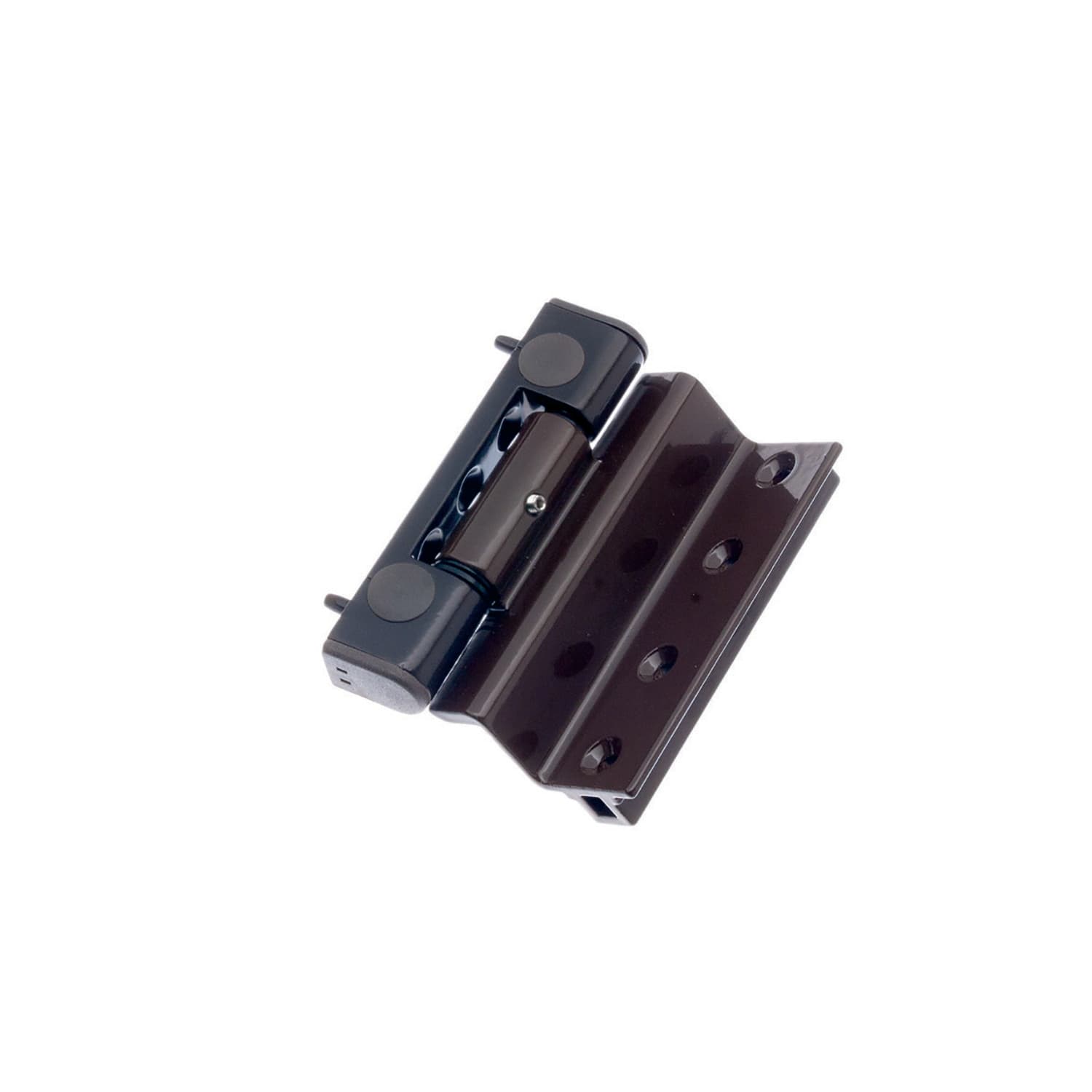
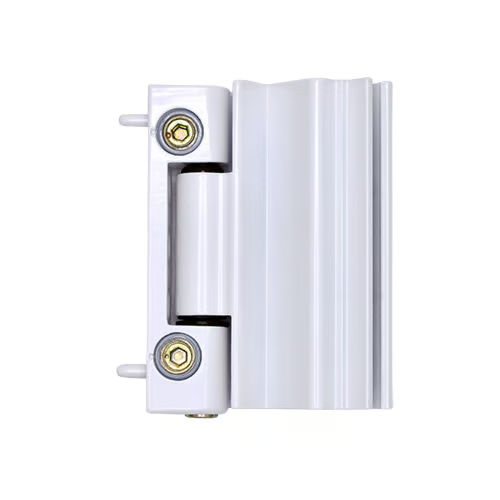
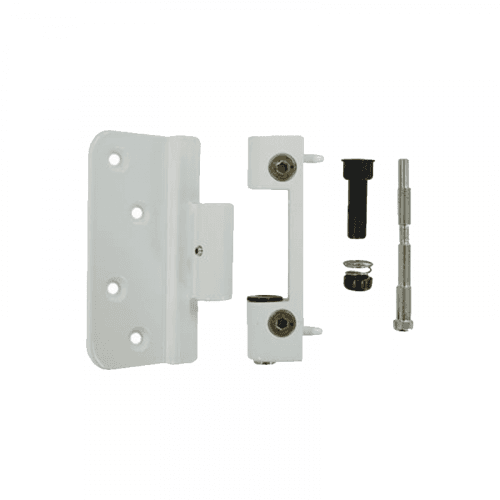
- Flag Door Hinge - Stainless Steel
- Adjustable Flag Hinge - 100mm
- ERA Challenger 3D Rebated Hinge
- Challenger Door Hinge
- UAP Adjustable Hinge for Composite Doors
Conclusion and next steps
Fitting butt hinges correctly combines accurate marking, good mortice technique and careful adjustment. For trade professionals the use of jigs and routers speeds repeat installations; for DIYers a steady chisel technique and attention to pilot holes gives excellent results. If you need more information on hinge selection, sizes and specifications see our door hinge resource at /guides/door-hinges. For common replacement parts and corrosion-resistant options browse our range and contact our technical team for site-specific advice.