Adjustable Flag Hinges: How to Fine-Tune Your Door
Adjustable Flag Hinges: How to Fine-Tune Your Door A correctly adjusted door improves security, weather-sealing and long-term performance. The flag hinge i...
Adjustable Flag Hinges: How to Fine-Tune Your Door
A correctly adjusted door improves security, weather-sealing and long-term performance. The flag hinge is a compact, often adjustable hinge used widely on external and internal doors; it allows installers and homeowners to correct alignment without removing the door. This post explains how flag hinges work, what tools you need, practical step-by-step adjustment instructions and trade tips for a professional finish.
What is a flag hinge and where it is used
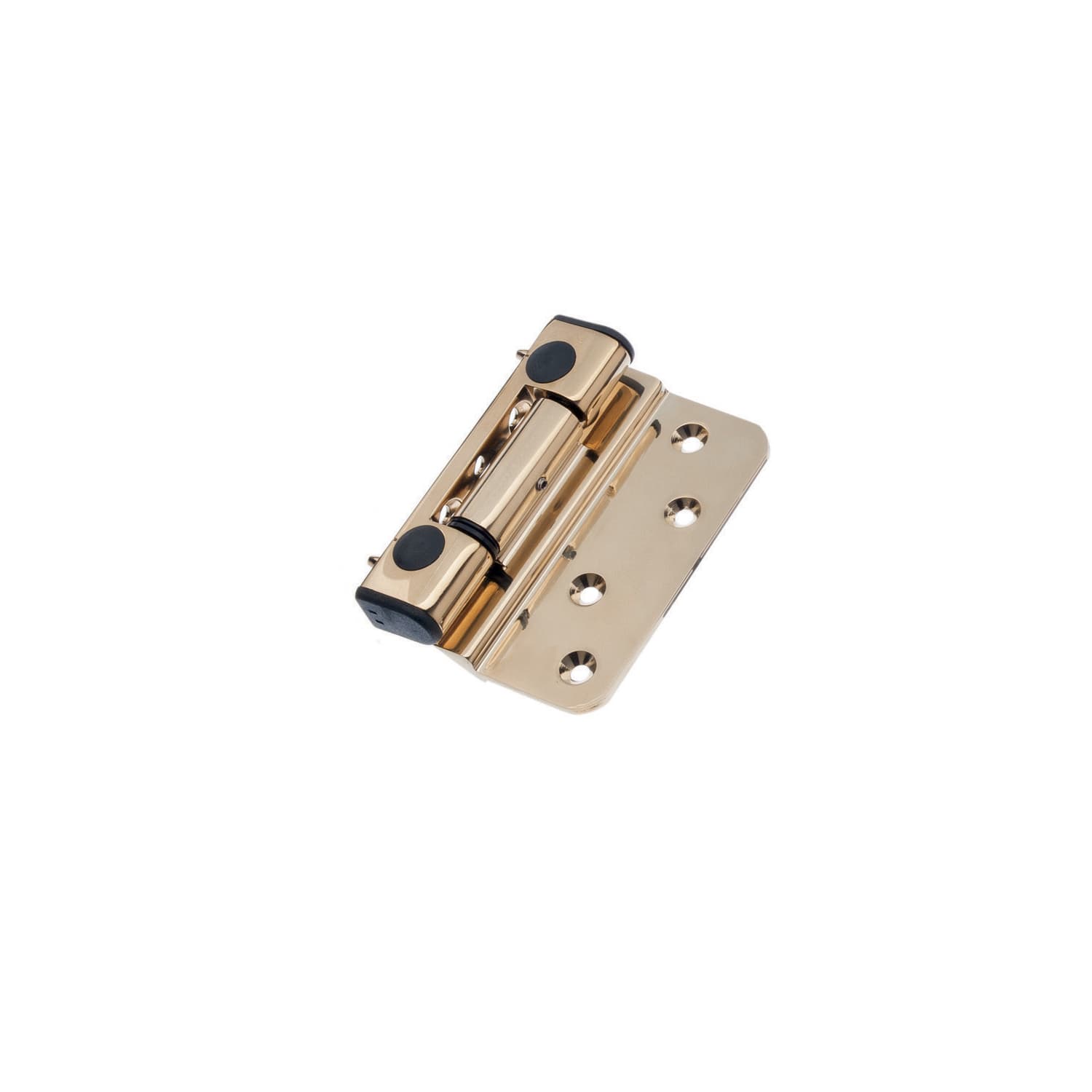
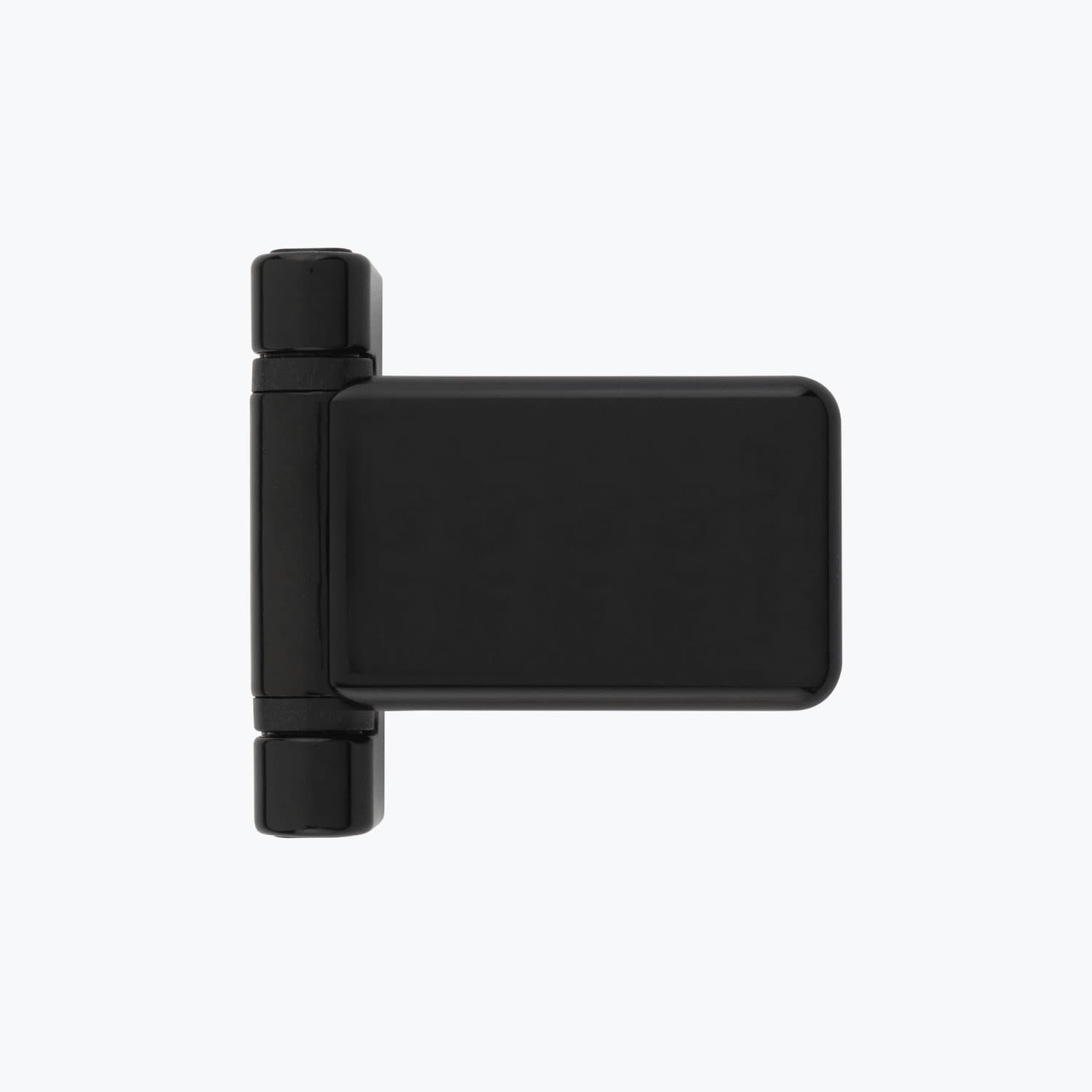
A flag hinge is a hinge type where one leaf is fixed to the frame and the other leaf, the flag, attaches to the door and pivots on a pin. Many modern flag hinges incorporate adjustment mechanisms that allow three-dimensional movement: vertical, lateral and compression. You will find adjustable flag hinges on composite, timber and aluminium doors, especially where fine gaps and weather sealing are important. They are common on external doors, French doors and some heavy internal doors where straightforward adjustment is required after installation.
Why adjustable flag hinges matter
- Security: Proper alignment ensures multi-point locks engage correctly and sealing keeps locking mechanisms working as designed.
- Weather performance: Equal gaps and correct compression improve draught-proofing and reduce water ingress.
- Longevity: Correct adjustment prevents wear and sagging; this saves callbacks and remedial work for the trade.
- Serviceability: Adjustments can be made on-site without removing the door, saving time.
Tools and preparation
Before you start, gather materials and follow safe working practice:
- Basic tools: spirit level, tape measure and small set of screwdrivers.
- Adjustment keys: many flag hinges use an Allen key or Torx bit. Check the hinge manufacturer for the correct size.
- Door support: wedges, a prop or a second person to hold the door while adjusting.
- Pen and masking tape to mark reference points.
- Lubricant such as light machine oil or dry graphite for moving parts.
Safety note: support the door before loosening anything. Heavy doors can fall or twist; two people are often needed for external doors.
How to adjust a flag hinge: step-by-step
Adjustments should be small and tested frequently. Make one change at a time and work systematically from the top hinge downwards if there are multiple hinges.
- Step 1: Inspect and measure. Check the surrounding reveals, the top and bottom gaps and whether the lock engages. Mark with tape where the door meets the frame so you can see progress.
- Step 2: Support the door. Use wedges under the door or have a colleague hold it; relieve the hinge of the door weight before turning any adjustment screws.
- Step 3: Identify the adjustment screws. Typical flag hinges have separate screws for vertical, lateral and compression. The manufacturer’s data will explain which is which; if unknown, look for an eccentric cam or labelled screws.
- Step 4: Make small adjustments. Turn the appropriate screw a quarter turn and re-check. For vertical adjustments, lifting the door a small amount will reduce drag at thresholds; for lateral adjustment, move the door towards or away from the frame to balance the gap; compression adjustment alters how tightly the door meets the frame on closing.
- Step 5: Cycle the door. Open and close several times to let the door settle and to see if the lock and latch engage smoothly. Re-measure the gaps and repeat adjustments until satisfied.
- Step 6: Lock and test. Ensure multipoint locks close and latch correctly; check weatherstrips compress evenly along the head and jambs.
- Step 7: Finalise and lubricate. Tighten any lock-side fixings and apply a light lubricant to moving parts. Remove any wedges and re-check operation.
Practical tips for tradespeople and DIYers
- Work incrementally: large turns can over-correct and cause new problems; small steps prevent rework.
- Remember hinge orientation: clockwise rotation may raise or lower the door depending on hinge design; always test a small amount first.
- Use shims behind hinges for non-adjustable repairs: if the frame is twisted or the door has settled significantly, shim under the hinge backplate to regain alignment before fine adjustment.
- For heavy doors use either three flag hinges or a specialised heavy-duty hinge; manufacturer weight limits are there for a reason.
- Mark the final screw positions with a marker or tape to speed future maintenance and to help other trades when returning to site.
Common problems and how to fix them
Here are common symptoms and the likely adjustment needed:
- Door drags on the threshold: increase vertical clearance by adjusting the vertical screw upwards; double-check threshold seals.
- Top of door hits frame: lower the top edge by vertical adjustment or increase lateral clearance if rubbing on one side.
- Door does not latch fully: increase compression or lateral movement to bring the latch into alignment with the strike plate; inspect the strike plate position as well.
- One side more open than the other: check hinge fixings for looseness; lateral adjustment and shimming may be needed to equalise gaps.
- Persistent sagging: worn hinge bushes or pin wear means replacement is the correct remedy rather than repeated adjustment.
Compatibility and installation considerations
Not all flag hinges are interchangeable. Check the door thickness, hinge backset and screw centre spacing before replacing a hinge. For external doors, ensure hinges are corrosion resistant and meet relevant security standards; stainless steel or suitable coatings are common. If you need broader information on hinge types and where flag hinges fit into the range, refer to our pillar page on door hinges: /guides/door-hinges.
Maintenance and longevity
Regular maintenance extends hinge life and keeps doors performing well. Periodically clean hinge areas, remove debris from the frame, lubricate moving parts and check fixings once or twice a year on external doors. Replace any hinge with visible wear or play in the pin; worn hinges can quickly lead to lock misalignment and increased repair costs.
Recommended Products
Based on this article, you may find these products helpful:
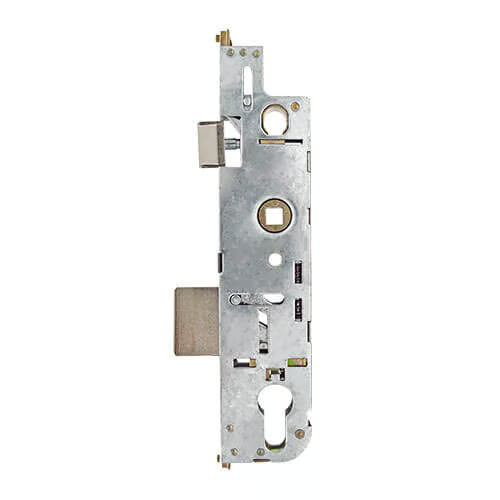
- Multipoint Gearbox GU Old Style
- Flag Door Hinge - Stainless Steel
- Adjustable Flag Hinge - 100mm
- Fab&Fix Classic Flag Hinge
- ERA Composite Door Flag Hinge
Conclusion: next steps
Adjustable flag hinges are a straightforward way to correct door alignment, improve security and restore proper weather-sealing. Start by assessing the problem, support the door and make incremental adjustments while checking operation. For complex or repeated faults contact a professional installer; for products and specifications check manufacturers’ instructions and our wider resources at /guides/door-hinges. If you need specific hinge recommendations or replacement parts for a particular door, contact our trade counter for advice and compatible stock.