How Many Flag Hinges Does a uPVC Door Need?
How Many Flag Hinges Does a uPVC Door Need? When choosing how many flag hinges a uPVC door needs, the answer depends on door weight, height, frequency of u...
When choosing how many flag hinges a uPVC door needs, the answer depends on door weight, height, frequency of use and whether the frame has metal reinforcement. Flag hinges are a common choice for uPVC doors because they allow for easy adjustment and removal while offering a neat, secure pivot. This post gives practical trade advice and DIY guidance to help you decide how many flag hinges to fit and how to fit them safely and effectively.
What is a flag hinge and why use one?
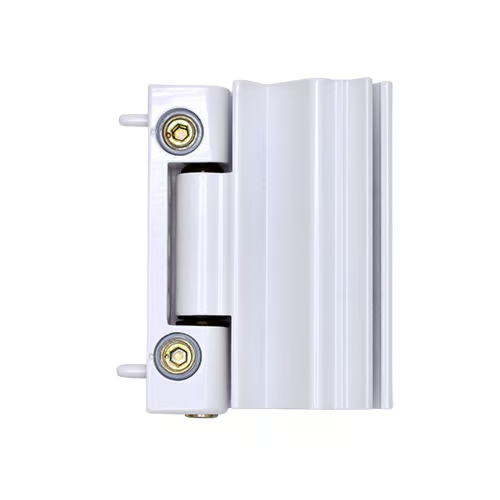
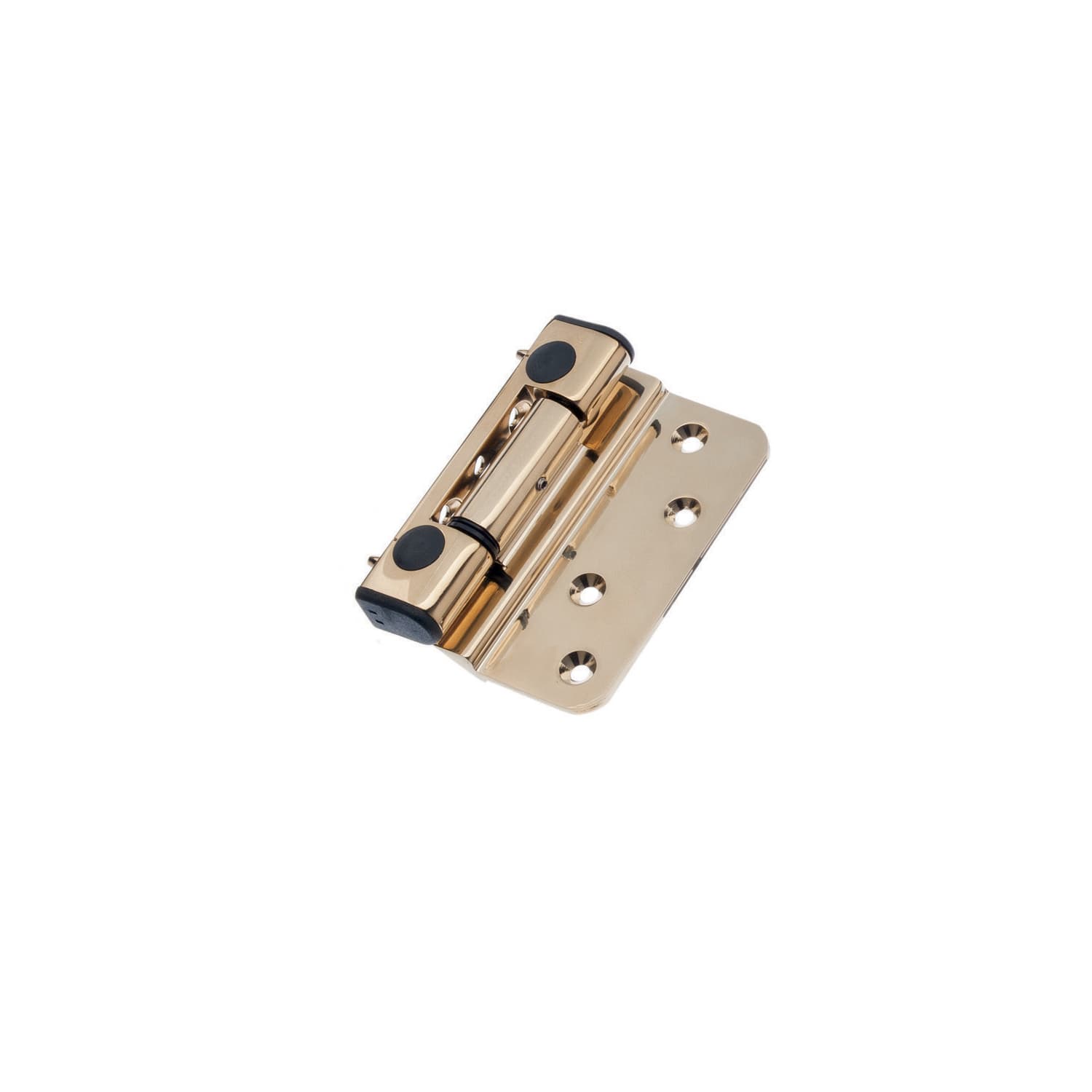
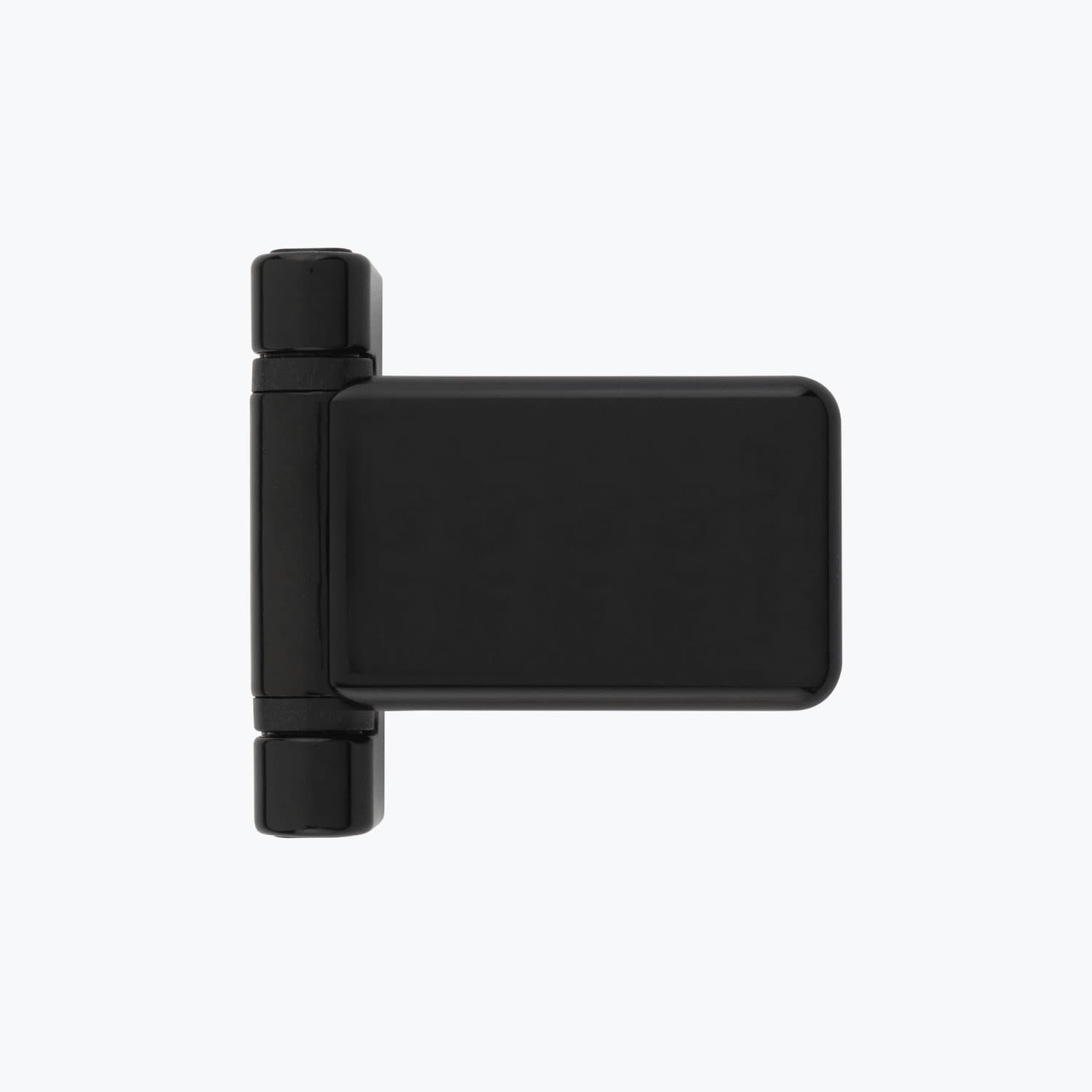
A flag hinge is a type of butt hinge where one leaf is fixed to the frame and the other 'flags' out to receive the door leaf; many designs are adjustable in three planes and some have a lift-off facility. They are widely used on uPVC doors due to their adjustability, corrosion resistance and compatibility with multi-point locking systems. Flag hinges are often reversible for left- or right-hand doors and come in different heights and load ratings to suit various doors.
General rule: number of hinges by door type
As a practical rule of thumb:
- Lightweight uPVC panel doors (around 30–40 kg): two flag hinges can be acceptable; however, this is more common on smaller, less frequently used doors.
- Standard residential uPVC doors (typical house front or back doors): three flag hinges is the industry standard; this spreads load, reduces sag and improves long-term performance.
- Heavy or oversized doors, composite doors or high-usage doors: four hinges are often used by tradespeople; this is also recommended where doors exceed standard heights or width, or where extra durability is needed.
These are general guidelines; the correct number ultimately depends on the door weight and the load rating of the specific hinge model. Always check the hinge manufacturer's technical data.
Factors that affect the number of hinges required
- Door weight: heavier doors need more hinges or higher capacity hinges.
- Door height: taller doors create larger moment forces; they benefit from an extra hinge to reduce stress at the top and bottom fixings.
- Frequency of use: doors used constantly, such as communal or commercial entrances, should have additional support.
- Frame reinforcement: uPVC frames with steel reinforcement allow secure fixing; non-reinforced frames may require specialised fixings or more hinges to distribute load.
- Hinge load rating: trade hinges come with published capacities in Newton metres or kilograms; use those ratings when planning hinge quantity.
Typical hinge layout and positioning
For a three-hinge uPVC door the common layout is:
- Top hinge: set approximately 150–200 mm down from the top of the door leaf.
- Bottom hinge: set 150–200 mm up from the bottom of the door leaf.
- Centre hinge: positioned equidistant between the top and bottom hinges; in practice this often sits above the lock striker plate to support the lock side.
For four-hinge installations space the hinges approximately evenly between top and bottom, leaving a similar margin at each end. For best results mark out on both the frame and door leaf, check alignment before final fixing and ensure fixings engage the reinforcement within the frame.
Trade advice: selecting the right hinge and fixings
- Always use hinges and fixings from reputable suppliers and follow manufacturer guidelines for weight and number per door.
- Match hinge height to door thickness and profile so the knuckle engages correctly with the strike plate and there is no binding.
- Use long screws that penetrate the steel reinforcement in the uPVC frame; self-tapping screws into plastic alone will not provide adequate long-term strength.
- Consider stainless steel or coated hinges in coastal areas for corrosion resistance.
- When upgrading or retrofitting, check that the multi-point lock operation is not impeded by new hinge positions; adjust keeps or striker plates if necessary.
DIY guidance: fitting or replacing flag hinges
If you are competent with tools and want to fit or replace flag hinges, follow these practical steps:
- Assess the door: weigh the door if possible and measure height and width to estimate load. If in doubt, assume heavier and fit three hinges for a standard-sized uPVC door.
- Remove the door: support it properly, unhook any pins if the hinge design allows, and take the door out for easier accurate marking and drilling.
- Mark hinge positions on both door and frame using templates supplied with hinges or by copying existing positions.
- Drill pilot holes and use screws long enough to pass through uPVC and into the steel reinforcement. For replacement, reuse existing reinforcement positions where possible.
- Hang the door on temporary fixings, check operation and alignment; with adjustable flag hinges use the adjustment screws to set the gaps and ensure the seal compresses evenly.
- Tighten all fixings and test under normal use; make final adjustments to keep alignment and lock engagement correct.
Safety note: if you are unsure about handling heavy doors, or if the frame requires reinforcement, engage a qualified installer. An incorrectly mounted door can cause injury or fail prematurely.
Common problems and troubleshooting
- Sagging door: usually due to insufficient hinges, worn hinge bearings or short fixings; solution: check fixings into reinforcement, upgrade to higher capacity hinges or add a third or fourth hinge.
- Binding or catch at top or bottom: check hinge alignment and adjust the flag hinge in the X, Y and Z axes; if adjustment limit reached, consider repositioning hinges or shimming.
- Loose screws in uPVC: always secure into the steel reinforcement; if reinforcement is absent or damaged, fit supplementary reinforcement inserts or consult a professional.
Standards and regulations
While there is no single UK regulation that prescribes the exact number of hinges, industry best practice and hinge manufacturers provide weight ratings and installation guidance. For doors that form means of escape or fall under fire doors and access regulations, follow the specific standards applicable; these doors typically require certified hardware and professional installation.
Recommended Products
Based on this article, you may find these products helpful:
- Flag Door Hinge - Stainless Steel
- Adjustable Flag Hinge - 100mm
- Fab&Fix Classic Flag Hinge
- ERA Composite Door Flag Hinge
- ERA Challenger 3D Rebated Hinge
Conclusion and next steps
Most standard uPVC residential doors are best served by three flag hinges for longevity and reliable operation; two can be acceptable for light, low-use doors, while heavy or oversized doors often need four. Always consult hinge manufacturer load ratings, use fixings that penetrate steel reinforcement and consider professional installation where door weight or usage is high.
Next steps: if you need specific hinge recommendations, check our pillar page on door hinges for technical data, or contact a trade specialist with the door dimensions and estimated weight for tailored advice.