Parliament Hinge History: Why They're Called Parliament Hinges
Parliament Hinge History: Why They're Called Parliament Hinges Parliament hinges are a distinctive type of hinge familiar to joiners, window fitters and ho...
Parliament Hinge History: Why They're Called Parliament Hinges
Parliament hinges are a distinctive type of hinge familiar to joiners, window fitters and homeowners who need a wide opening for doors, shutters or casements. They are commonly specified when a sash must clear an architrave or protruding moulding and be able to open fully against the face of a frame or wall. This article covers the history of the parliament hinge, why it is so named, how it works and practical advice for trade professionals and DIYers when selecting and fitting them.
Origins and name: where the term comes from
The precise origin of the term parliament hinge is not documented in a single definitive source; however, the name has long been used in British building practice. The commonly accepted explanation is that these hinges were used in grand public buildings such as the Palace of Westminster where doors and shutters needed to open clear of heavy casings and sit flat against stone or panelling. Because the hinged leaves project the door further away from the frame than a standard butt hinge, they allowed larger, often folding doors to open without obstruction. Over time the association with the large chambers and formal rooms where such fittings were needed is thought to have given rise to the name parliament hinge.
Another historical note is that similar wide-throw hinges were specified on shutters and folding screens in Georgian and Victorian architecture; they facilitated ventilation and full opening for access during public gatherings. Whether the name originates directly from parliamentary use or from general application in large civic buildings, the term has stuck and is now standard in trade catalogues and hardware shops.
Design and function: what makes a parliament hinge different
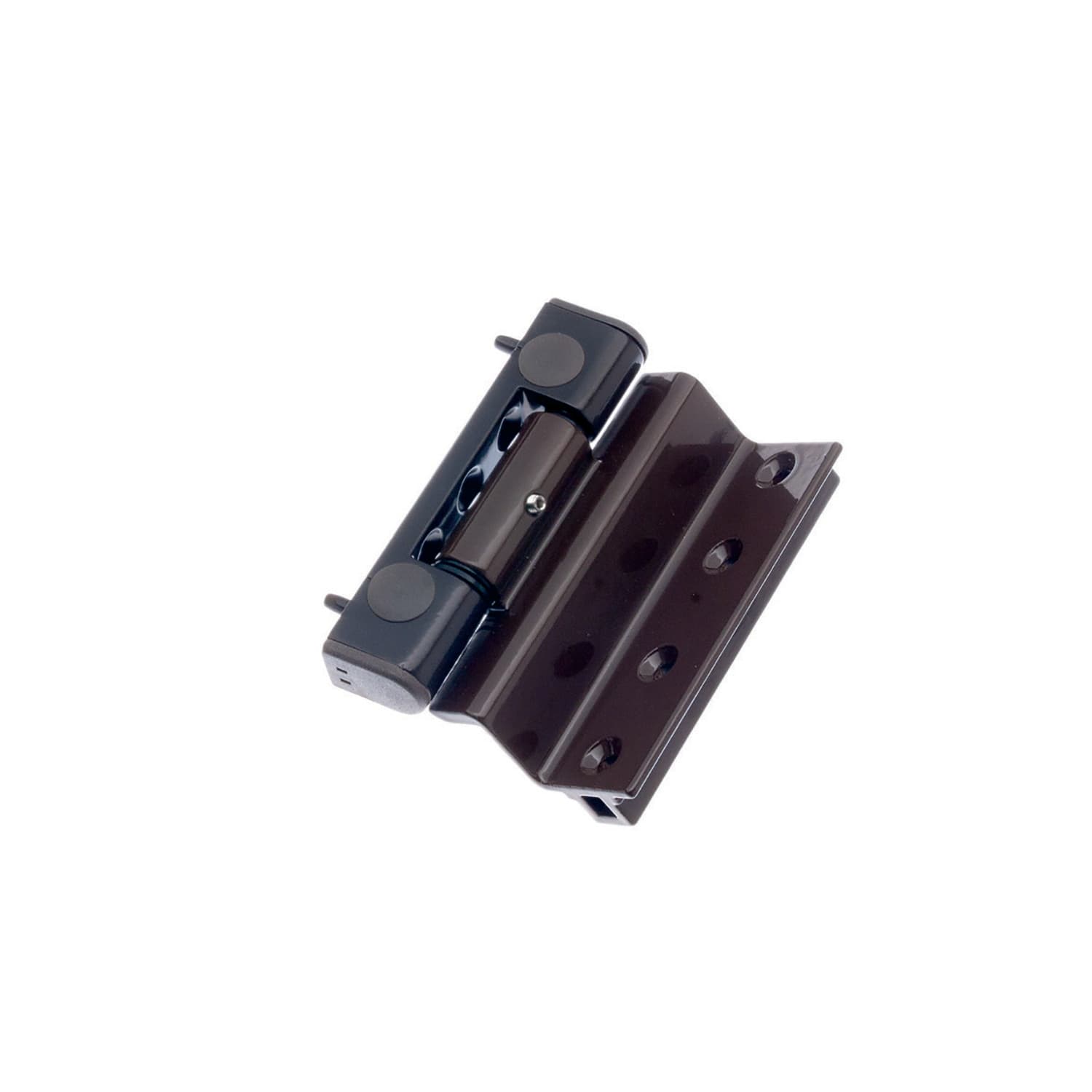
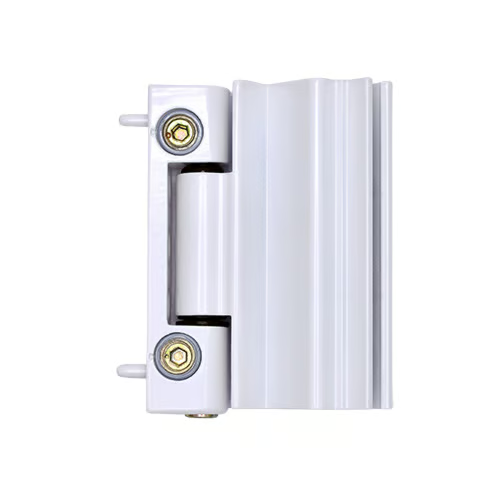
Physically, a parliament hinge resembles a butt hinge but with an offset. The knuckle and barrel are set to provide a greater clearance between the door sash and the frame when the door is open; this is often called the hinge throw. That clearance allows the door or shutter to lie either parallel to the casing or to open to a wider angle without fouling architrave, beading or handles. The hinge can be either morticed into the frame and sash or surface mounted depending on the product and application.
Key features to consider when specifying parliament hinges include material (brass, stainless steel, mild steel with plated finishes), thickness of leaves, bearing type (plain or ball-bearing) and corrosion resistance for external use. Trade-level hinges are available in heavy-duty formats for commercial doors and in smaller sizes for internal shutters and cabinetry.
When to use a parliament hinge: practical applications
- Doors with deep architrave or mouldings where a standard hinge would cause the door to hit the trim.
- French doors and double doors where each leaf needs to open flat against the frame to maximise clear opening width.
- Shutters and window casements that must sit parallel to the wall to provide a flush finish when open.
- Retrofit situations where trimming architrave is not an option; parliament hinges allow clearance without altering existing decorative timberwork.
Trade advice: selecting the right parliament hinge
For tradespeople, correct selection starts with load calculations and usage frequency: heavy external doors require wider leaves and ball-bearing hinges to handle frequent cycles and weight. Use stainless steel or high-quality brass for coastal or exposed locations; plated mild steel is acceptable for internal doors but will require more maintenance over time.
Consider the following checklist before ordering or fitting:
- Measure the sash thickness and the projection of any architrave which needs to be cleared.
- Decide whether a morticed or surface-mounted hinge is preferable; morticed fitting gives a neater result but requires accurate cutting.
- Choose screw length and type for the substrate: longer screws and plug fixings for masonry frames; countersunk woodscrews for timber frames; machine screws or rivets for metal frames.
- Specify the finish to match handles and other ironmongery: polished brass, satin chrome, antique brass and so on.
DIY fitting guidance: tools and step-by-step tips
DIYers can fit a parliament hinge successfully with basic tools and a careful approach. Recommended tools and materials include a spirit level, pencil, chisel or router for a mortice, pilot drill, countersink, packers, suitable screws and a willing assistant to hold the door during hanging.
- Mark hinge positions on both frame and door using a template or the hinge itself; standard practice is to position top and bottom hinges about 150mm from the ends, with a third hinge centred for taller doors.
- If morticing, cut carefully to the full depth of the leaf so the hinge sits flush; use a router for speed and a clean finish if you have one.
- Pre-drill pilot holes for screws to avoid split timber; countersink heads if using countersunk screws.
- Use packers behind hinges where necessary to achieve equal gaps and to ensure the door closes correctly against any latch or bolt.
- Always test the swing before tightening screws fully; you may need to adjust hinge positions slightly to eliminate binding.
Maintenance and troubleshooting
Parliament hinges are low maintenance but benefit from periodic checks. Oil pivot points with light machine oil or silicone spray annually; check screw tightness and replace any corroded fasteners. If a door sags, tighten screws and consider longer screws that reach the structural timber behind the frame. Excessive play in the knuckle may mean the hinge is worn and should be replaced rather than repaired.
For external doors where weather exposure is significant, clean salt deposits and re-lubricate more frequently; choose stainless steel fittings when possible to reduce long-term maintenance.
Further reading and resources
For more on hinge types and door hardware selection, consult our pillar page on door hinges: /guides/door-hinges. That resource covers butt hinges, ball-bearing hinges, continuous hinges and more, helping you match the correct ironmongery to each installation.
Recommended Products
Based on this article, you may find these products helpful:
- Flag Door Hinge - Stainless Steel
- Adjustable Flag Hinge - 100mm
- ERA Challenger 3D Rebated Hinge
- Challenger Door Hinge
- UAP Adjustable Hinge for Composite Doors
Conclusion and next steps
Parliament hinges earned their name through long association with large, formal openings where a wide throw was essential; they remain a practical solution where clearance is needed without modifying decorative trim. For trade professionals, specification should consider load, material and finish; for DIY installers, accurate marking, proper morticing and pilot drilling will achieve the best outcome. Next steps: measure your opening carefully, choose a corrosion-resistant finish if the hinge is external, and if in doubt visit our trade counter or website to view suitable parliament hinge options and get advice tailored to your project.