Window Handles for Double Glazed Windows: Spindle Length Explained
Choosing the correct window handles for double glazed windows depends as much on the spindle length as on style and finish. Correct spindle length ensures...
Choosing the correct window handles for double glazed windows depends as much on the spindle length as on style and finish. Correct spindle length ensures smooth operation, prevents handle wobble and damage to the locking mechanism, and extends the life of the window hardware. This guide explains what spindle length means, how to measure it accurately, and how to match handles to common double-glazed window types, with practical advice for homeowners and tradespeople.
What spindle length is and why it matters
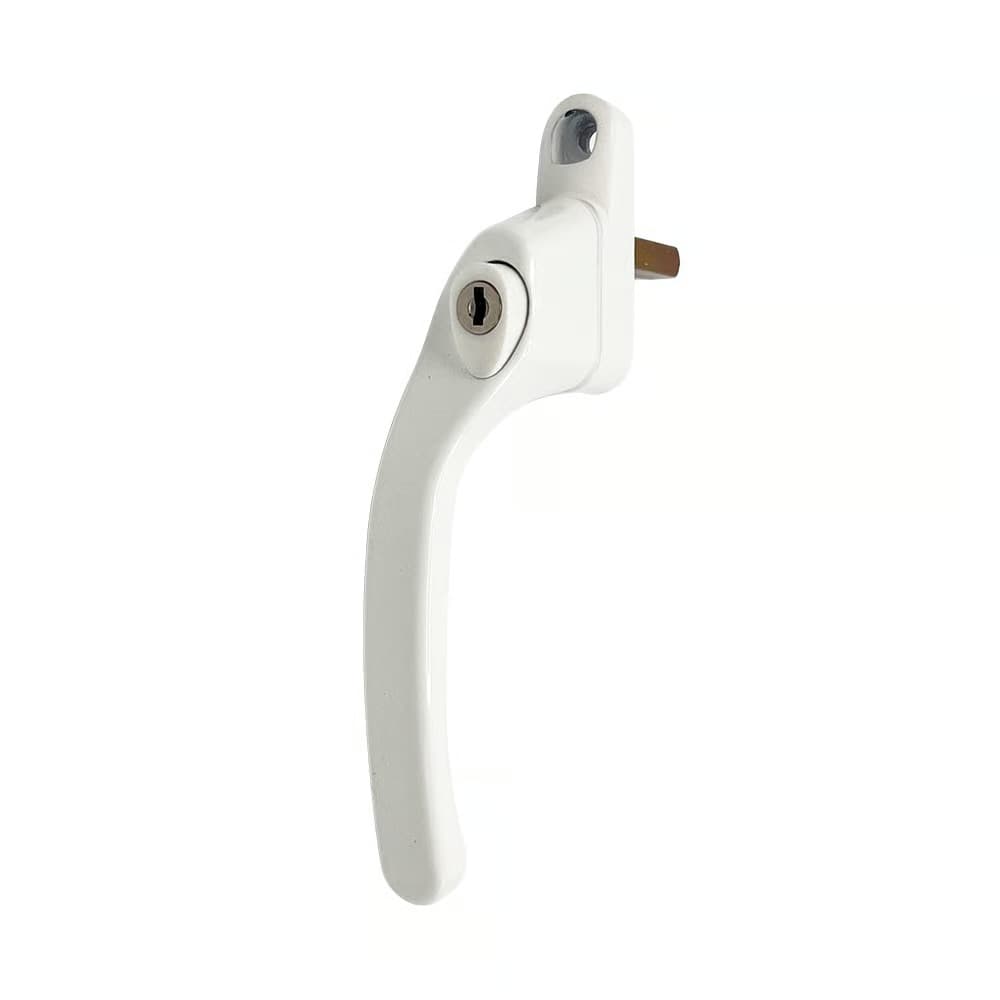
The spindle is the square metal bar that projects from the locking mechanism and sits inside the handle. Spindle length refers to the portion of that bar that extends from the inside of the handle rose to the end of the spindle (the part that engages with the gearbox or espagnolette). If the spindle is too short, the handle will not engage fully, causing slipping or partial locking. If it is too long, the handle will sit proud, increasing lever forces on the gearbox and potentially causing premature wear.
Double glazed windows often have thicker frames and multipoint locking systems, so selecting the right spindle length is especially important. Correct spindle engagement ensures the handle transmits torque smoothly to the locking mechanism, preserving the integrity of the window and maintaining weather-tight performance.
Common spindle dimensions and types
Most modern uPVC and aluminium double-glazed windows use square spindles in standard dimensions. Typical features to check:
- Square spindle thickness: 7 mm or 8 mm are most common. Verify with a vernier or calliper.
- Spindle length increments: Many suppliers offer spindles in 5 mm increments (for example 25 mm, 30 mm, 35 mm, 40 mm, 45 mm). Measure accurately to select the nearest standard size.
- Splined spindles: Some handles use a splined ‘multi-fit’ design to accommodate different splined gearbox profiles. These sometimes require an adaptor or handle model with the correct spline.
- Cranked spindles: Where frames are deep, cranked spindles or cranked handles offer offset to reach the gearbox without changing frame depth.
How to measure spindle length correctly — step-by-step
Accurate measurement avoids returns and installation problems. Use a metal ruler or calipers and follow these steps:
1. Remove the handle: Loosen the fixing screw (often beneath a rose cover) and withdraw the handle from the spindle. Keep screws safe. 2. Measure the spindle: Measure from the face of the handle rose (the part that sits against the frame) to the end of the spindle. This is the effective working length required. Record to the nearest millimetre. 3. Measure frame thickness (where relevant): If the handle rose sits within a rebate, measure the distance from the internal face where the handle sits to the gearbox face and add any recess dimension to the spindle length if necessary. 4. Check spindle thickness: Measure the width of the spindle cross-section. Most handles are designed for 7 mm or 8 mm square spindles; ensure compatibility. 5. Note any offset: If the handle will sit on a stepped or rebated frame, note whether a cranked handle is required. Cranked handles can be specified as left or right offset.
Tradespeople should measure both with the handle fitted and after removal to confirm consistency. For retrofit jobs, measure the existing handle spindle rather than relying on the old specification, as previous replacements are often non-standard.
Matching handle type to window style
Different window types require specific handle styles:
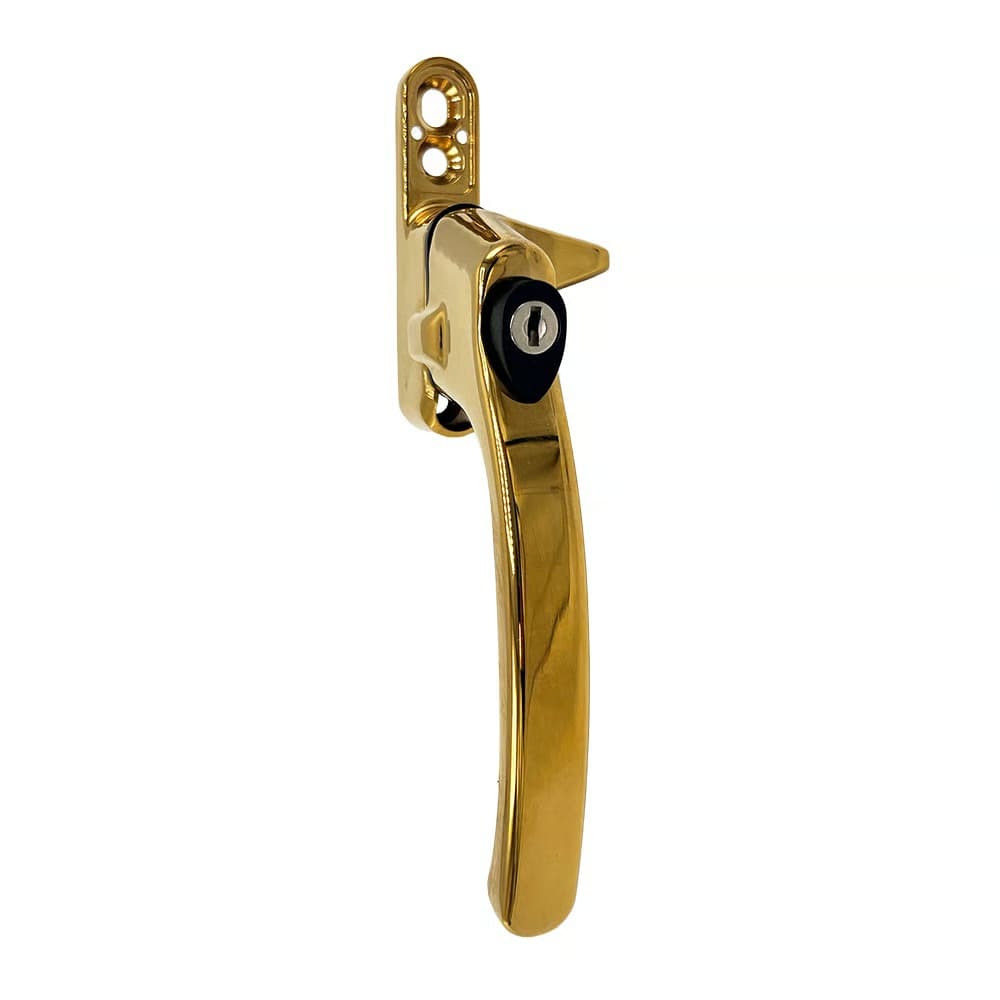
- Espag/espagnolette windows (common in modern uPVC): Use espag handles that operate a long locking strip. The TSS Cockspur Window Handles or similar products provide the correct spindle engagement and secure operation.
- Cockspur windows (older or simpler double-glazed units): Use a cockspur handle which locks onto the frame face. The TSS Cockspur Window Handle is designed for these setups and often requires a shorter spindle due to a different engagement method.
- Tilt-and-turn windows and French casements: Often use handles with 45 mm or 65 mm roses and may have non-standard spindle arrangements; check the lock case make or vendor guidance.
- Replacement or upgrade work: The TSS Offset UPVC Window Handles is a robust option suitable for many retrofit situations, but always confirm spindle size and backset.
Installation and maintenance tips
- Tighten fixings correctly: Use the manufacturer’s torque recommendations where provided. Over-tightening can deform roses; under-tightening allows movement.
- Use the correct grub screw: Some handles secure to the spindle with a grub screw; others use an internal clip. Ensure the screw is the right size and secured into the flat of the spindle for a secure fit.
- Lubrication: Apply a light silicone spray to the gearbox and spindle annually to keep operation smooth. Avoid heavy oils that attract dust.
- Security: For outward-opening casement windows, choose handles with a secure lock or integral cylinder if required for security or where building regulations demand restrictors.
- Spares and compatibility: Keep original handle specifications when ordering replacements. Photograph the existing handle and gearbox if uncertain; tradespeople can use this evidence to order the correct part.
Troubleshooting common spindle issues
- Slipping handle: Check the grub screw and that it engages the flat on the spindle. Replace if rounded.
- Wobble or play: Usually indicates an incorrectly sized spindle length (too short) or loose fixing. Re-measure and replace with correct length.
- Handle sits proud: Shorten the spindle rose depth by using a shorter spindle length or choose a recessing rose where possible.
- Binding or stiff operation: Inspect the gearbox and espagnolette strip for dirt or damage and lubricate or replace as needed.
Final considerations
Choosing the correct window handles for double glazed windows reduces maintenance, improves security and ensures smoother operation. Accurate measurement of spindle length and thickness is the critical first step. Match the handle to the locking mechanism and frame style, use suitable tools and follow the manufacturer’s installation instructions.