Window Handles Replacement: Fixing a Loose or Wobbly Handle
A loose or wobbly window handle is a common annoyance that can lead to reduced security, difficulty operating the window and accelerated wear of the lockin...
A loose or wobbly window handle is a common annoyance that can lead to reduced security, difficulty operating the window and accelerated wear of the locking mechanism. This guide explains how to diagnose the problem, perform a simple window handles replacement or repair, and what to consider when choosing a new handle. Advice is suitable for homeowners and tradespeople and focuses on practical, actionable steps.
Diagnosing the problem
Start by identifying the source of the play. Common causes include:
- Loose fixing screws in the handle rose or baseplate.
- Worn spindle (the square metal shaft) or split spindle end.
- Stripped threads in the handle or the multipoint gearbox.
- Worn or damaged gearbox/espagnolette mechanism.
- Incorrect handle size or mismatch with the window locking system.
Essential tools and materials
For most window handle repairs and replacements the following items will be needed:
- Cross-head and flat screwdrivers
- Allen keys (often 3 mm or 4 mm) for set screws
- Adjustable spanner or small wrench
- Replacement handle and/or spindle
- Thread-locking adhesive (medium strength) or small washers
- Cleaning brush and cloth
- Pen and measuring tape for spindle length and screw position
Quick fixes: tighten, clean, adjust
Many loose handles just need tightening: 1. Open the window to gain access to both sides if necessary. 2. Tighten visible rose screws fully, alternating between screws to avoid misalignment. 3. If the handle uses a grub (set) screw on the side of the rose, tighten it with the correct Allen key. Do not over-tighten as this can strip the screw. 4. Remove the handle and clean the spindle and handle receiver of dirt and old grease. Lightly lubricate with silicone-compatible grease before refitting. 5. If there is axial play (handle moves left-right) use thin washers behind the handle rose to take up slack, or apply a small amount of medium-strength thread-locker to the grub screw to prevent it loosening.
Handle removal and replacement procedure
For a secure window handles replacement follow these steps: 1. Secure the window in the closed position to prevent movement. 2. Remove any decorative cap on the handle rose and unscrew the fixing screws. Keep screws aside in a labelled container. 3. Pull the handle straight off the spindle. If stiff use a gentle twisting action; avoid levering against the frame. 4. Inspect the spindle for wear or deformation. Measure the spindle length and cross-section (commonly 7 mm or 8 mm square) to ensure correct replacement. 5. If the spindle is undamaged but the handle is worn, fit the new handle by sliding it onto the spindle and re-securing screws. Make sure the handle returns to the correct position and engages the lock smoothly. 6. For handles with separate backplates, check the alignment of the plate with the gearbox or keep. Adjust screw holes as needed and counter-sink if necessary for a flush finish.
Dealing with broken spindles or stripped gearboxes
If the spindle is broken or the internal gearbox is stripped, a simple handle swap will not resolve the issue:
- Replace the spindle: remove the handle and unscrew any grub screw retaining the spindle. Measure and match the new spindle length and square size.
- Replace the gearbox/espagnolette: for PVCu windows this often requires removing the sash bead and detaching the window from its hinges — a job for experienced tradespeople. If the gearbox is damaged, the most reliable solution is to replace the whole espagnolette mechanism to restore secure operation.
- Consider upgrading to a handle with reinforced spindle or security features to reduce future wear.
Choosing the correct replacement handle
Select a handle that matches the window type and fixing method:
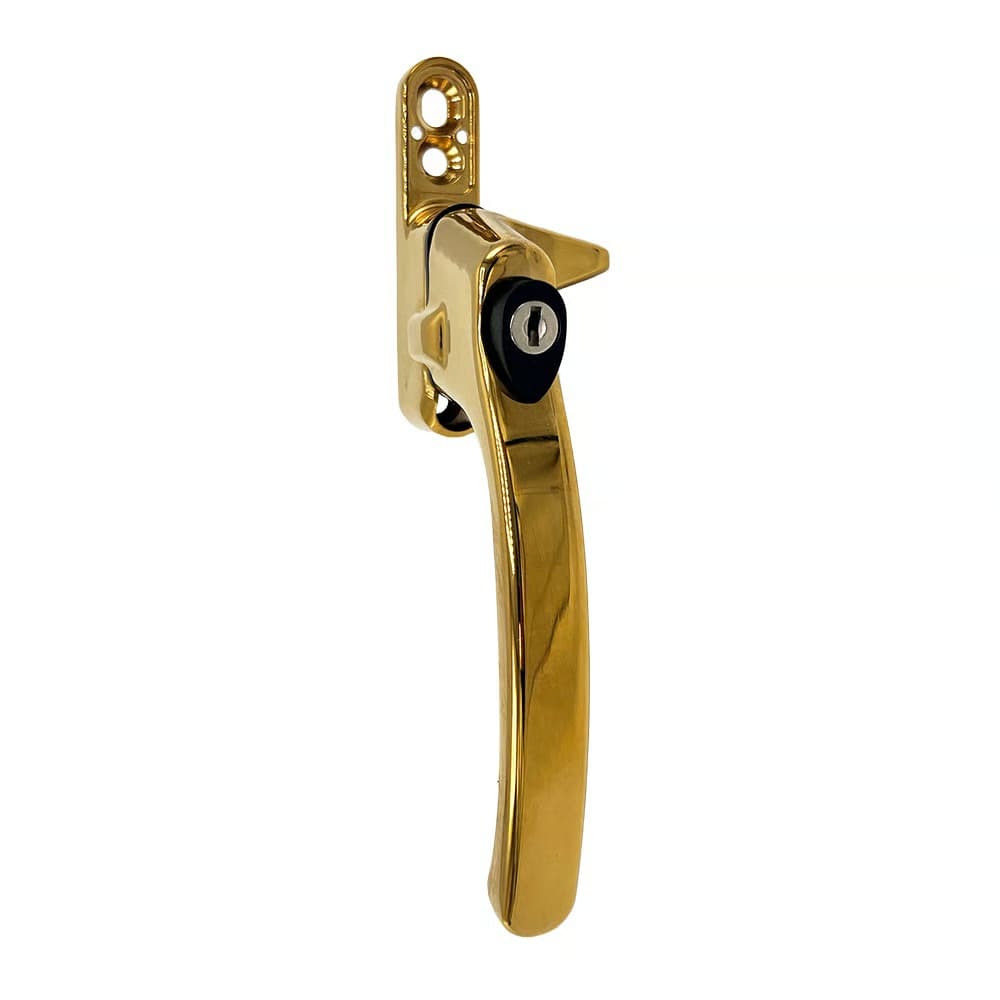
- Espagnolette windows require handles with the appropriate spindle and centre distance to match the gearbox; the TSS Cockspur Window Handles is designed for such applications.
- Cockspur handles are suitable for older timber and metal frames — the TSS Cockspur Window Handle provides a traditional retrofit option.
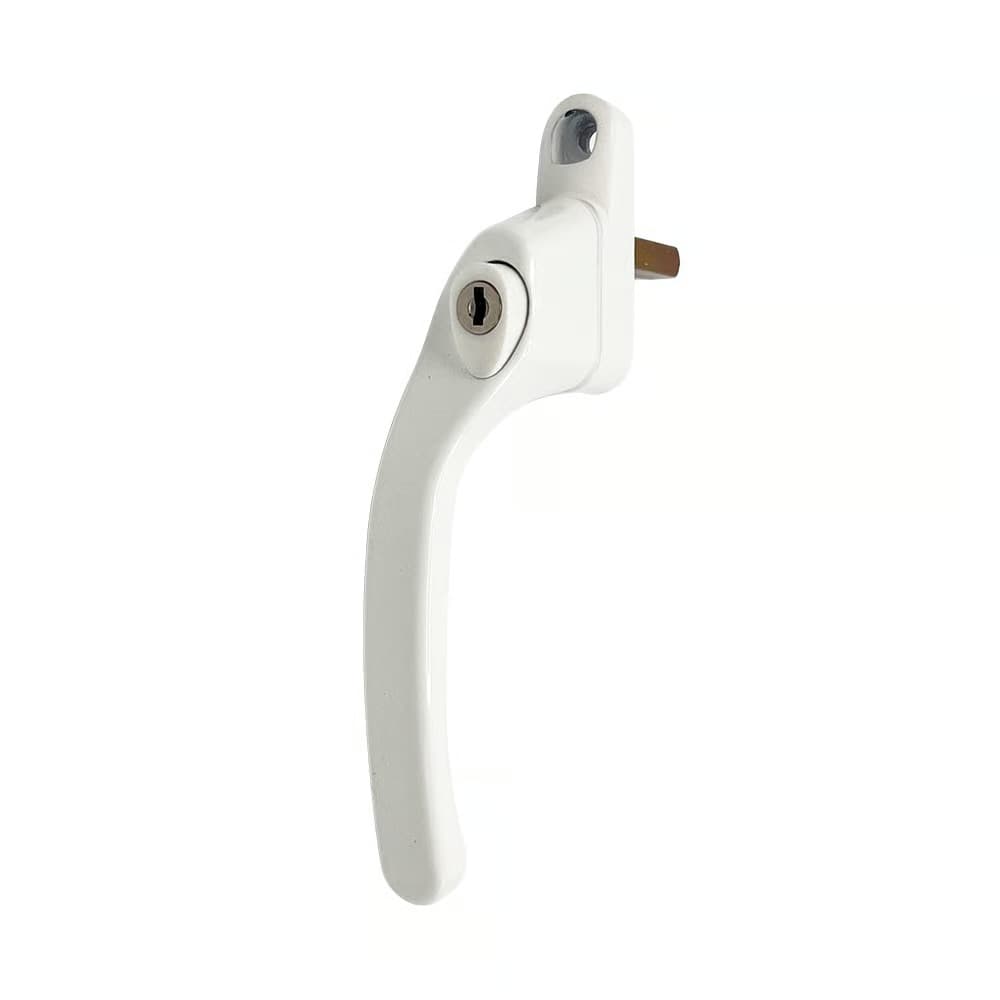
- For common PVCu applications the TSS Offset UPVC Window Handles is robust and widely compatible.
Security and finishing touches
After replacement:
- Test the handle through several full open/close cycles, checking that it engages the lock fully and returns to the neutral position.
- Apply a small amount of silicone-compatible lubricant to moving parts to reduce wear.
- Use medium-strength thread-locker on the set screw if reoccurring loosening is a problem, but avoid permanent adhesives that will make future servicing difficult.
- If fitting to a rental property or listed building, ensure the replacement matches permitted alterations and landlord/heritage requirements.
When to call a professional
Handymen and tradespeople can handle most replacements, but call a specialist if:
- The gearbox needs replacing and sash removal is required.
- There is significant corrosion, metal fatigue, or damage to the window frame.
- Security upgrades such as anti-snap or reinforced lock mechanisms are desired.