Window Handles Replacement for uPVC: What to Measure
Replacing window handles on uPVC units is straightforward when measurements are taken correctly. Accurate dimensions ensure a smooth swap, preserve window...
Replacing window handles on uPVC units is straightforward when measurements are taken correctly. Accurate dimensions ensure a smooth swap, preserve window security and avoid returns. This guide explains what to measure, the tools required and practical tips for matching new hardware to the existing mechanism, whether fitting a standard cockspur, espagnolette or replacement spindle handle.
Identify the handle type first
Different handle types require different measurements and replacement parts. Common types on uPVC windows are cockspur (a simple latch), espagnolette (multi-point locking via an internal rod) and butt hinges with a square spindle. Visual identification saves time: a cockspur handle usually has a short, curved latch visible against the frame; an espagnolette (or espag) handle operates a concealed locking rod; and some handles fit directly to a square spindle.
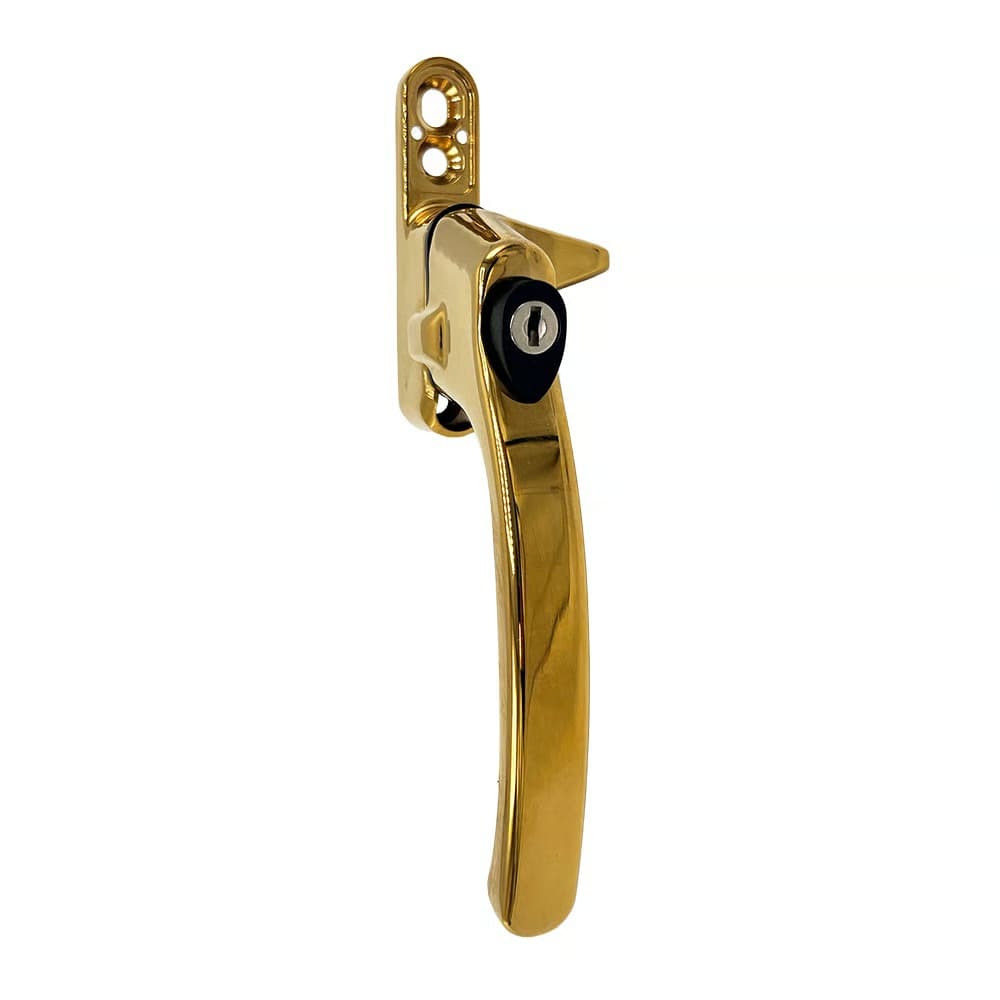
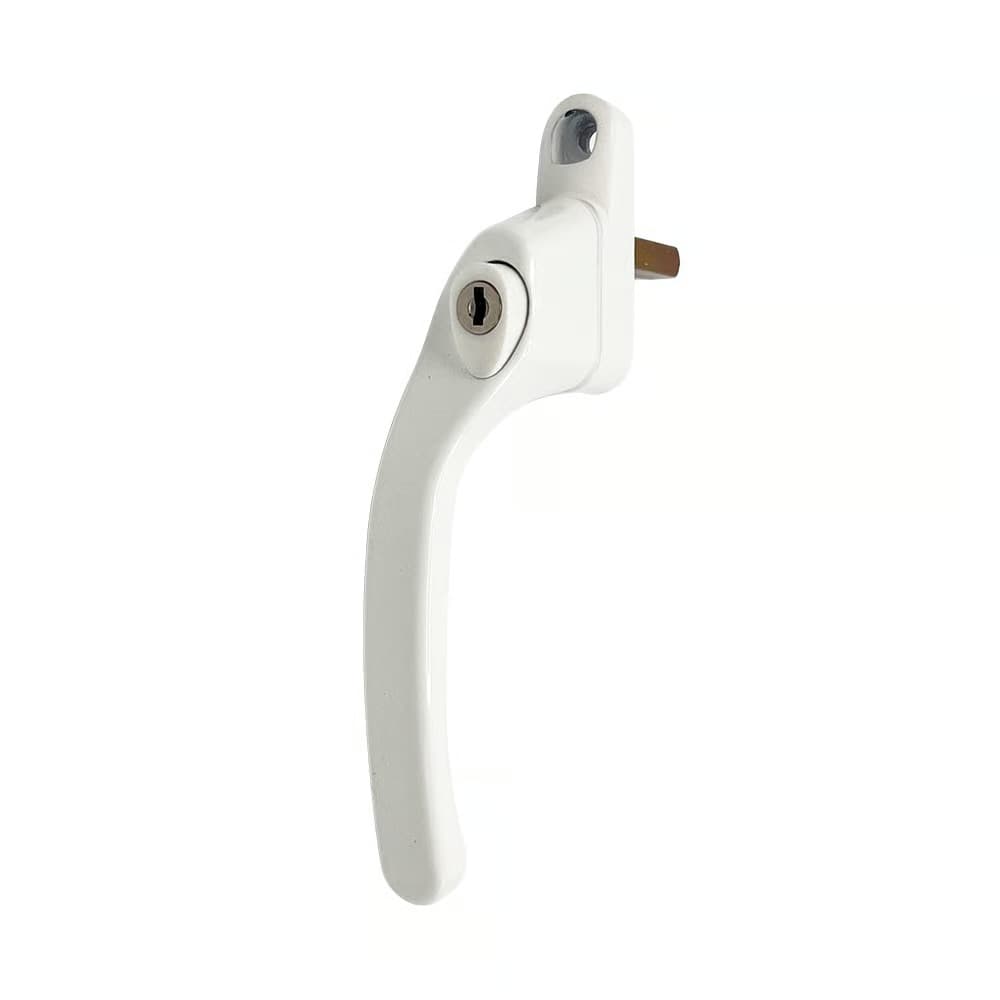
For espagnolette replacements, consider the TSS Cockspur Window Handles as an example of a direct replacement designed for modern uPVC windows. For cockspur applications, a suitable option is the TSS Cockspur Window Handle. For traditional spindle fittings, the TSS Offset UPVC Window Handles is a common match.
Tools and preparation
Gather a screwdriver set (Pozidriv and flat), a tape measure or ruler with millimetres, a digital caliper if available, a pencil and a small mirror or torch for better visibility. Work on a clean surface and keep screws in a small container. Removing the handle for some measurements is often necessary; ensure the lock is in the unlocked position before unscrewing.
Measure the screw centres (fixing centres)
Screw centre measurement is usually the most important dimension. This is the distance between the centres of the two fixing screws on the handle rose or backplate, measured in millimetres. Common screw centres for uPVC handles are 92mm and 43mm, but other sizes exist.
How to measure:
- Remove the handle if possible.
- Measure from the centre of one screw hole to the centre of the other.
- If the screw heads are still present, measure between their centres; if holes are empty measure the diameter across the hole centreline.
Measure spindle size and length
The spindle is the square metal shaft that connects the handle to the locking mechanism. Spindle dimensions include both cross-section and length.
How to measure:
- Measure the spindle cross-section across flats; common sizes are 7mm and 8mm square.
- Measure the spindle length from the end to the face of the handle rose when fitted. If the handle is removed, measure how far the spindle projects from the frame. Note whether the spindle is adjustable/stepped or fixed.
- If the spindle is broken or missing, measure the depth of the lock case and the profile of the keep to estimate required length.
Measure the backset and handle projection
Backset refers to the distance from the edge of the door or window frame to the centreline of the spindle or handle fixing. This affects how the handle sits relative to the frame and whether it clears any hardware.
Handle projection (how far the handle sticks out when in the closed position) matters for clearance in tight spaces. Measure projection from the face of the window frame to the furthest point of the handle when it is horizontal.
Measure handle rose or backplate size
Some replacements require matching the rose diameter or backplate dimensions to cover existing screw holes or avoid an unsightly gap. Measure:
- Rose diameter (across the round escutcheon)
- Backplate length and width (for rectangular plates)
- Distance between the outer edges — useful if the new plate must cover previous fixings
Determine handing and operation direction
Window handles are handed (left or right) depending on which way the handle points when the window closes. To determine handing:
- Stand inside facing the window.
- Note if the handle points to the left or right when in the closed and locked position.
Measure for espagnolette locking centres
Espag handles operate a rod with locking points. The distance from the handle spindle to the top/bottom locking centre matters for compatibility. Measure from the handle spindle centre to the nearest locking actuator or keep position. Some espag handles are reversible, but exact measurements eliminate guesswork.
Consider screw length and thread type
Screw length must be correct for secure fixing through uPVC cills and into the window profile. Use screws that reach the reinforcement chamber but do not penetrate the outer frame skin. If replacing an existing handle, use the original screws as a reference or match to the frame thickness.
Threads are usually coarse for uPVC; replacement handles typically include appropriate fixings, but confirm before fitting.
Match finishes and security features
Match the finish (white, gold, chrome, black) to existing frames and hardware for a neat look. Also consider security-rated handles with key locks or anti-snap features if enhanced security is required. Ensure replacement handles meet or exceed current security standards for uPVC windows.
Fitting tips and common pitfalls
- Always test the new handle while the unit remains secured in situ; do not force the handle if the spindle or lock does not engage.
- Clean the area and check for debris in the mechanism before fitting the new handle.
- Tighten screws progressively to avoid distorting the rose or backplate.
- If holes are misaligned by a few millimetres, use longer screws and wall plugs designed for uPVC or fit a slightly larger backplate to conceal holes.
- For multi-point or espag mechanisms, operate the lock with the handle to ensure the rods move smoothly; lubricate moving parts with a dry lubricant suitable for metal and plastic.
When to replace the entire mechanism
If measurements reveal damage to the espagnolette rod, a broken lock case or corroded internal parts, replacing the handle alone may not restore function. In such cases, replacing the whole locking mechanism or consulting a qualified tradesperson is advisable to maintain security and functionality.
Accurate measurement means fewer returns and quicker installations, whether replacing a basic cockspur handle or fitting a secure espag unit. Following the steps above ensures the correct part is selected the first time and that installation proceeds smoothly.